From Traditional Healing Practice to World Heritage: “The Dignity of Thai Massage on the World Heritage List”
Read 0
UNESCO’s inscription of “Nuad Thai” as an intangible cultural heritage of humanity marked a significant milestone in elevating a traditional healing practice onto the global stage. The documentary “The Dignity of Thai Massage on the World Heritage List” serves as a historical and anthropological analysis that takes viewers on a journey to trace the roots of this practice. Rather than focusing solely on tourism or relaxation in the spa industry, the documentary delves deeper into the identity, dignity, and struggles of Thai massage practitioners. It highlights that Thai massage is not merely about acupressure or body manipulation, but a living cultural record that has evolved over centuries, traversing religious beliefs and adapting to changing medical practices while preserving its identity and place in modern society.
This documentary series traces the origins of massage from the past to the present, raising important questions about the journey and evolution of massage practices in India and Thailand. Looking back to ancient India, where Ayurveda and Buddhism were central, Jivaka Komarabhacca, the personal physician to the Buddha, was regarded as the foremost master of this field. These massage and medical practices made their way to Thailand alongside the spread of Buddhism, through groups of monks and Brahmins who traveled to the Suvarnabhumi region. The transmission of these practices from India to Thailand was not simply a matter of imitation, but rather an integration with Thai folk wisdom and observations of nature, resulting in the Sen Prathan Sip (Ten Major Sen) tradition and ancient inscriptions that reflect the distinctive characteristics of traditional Thai medicine.
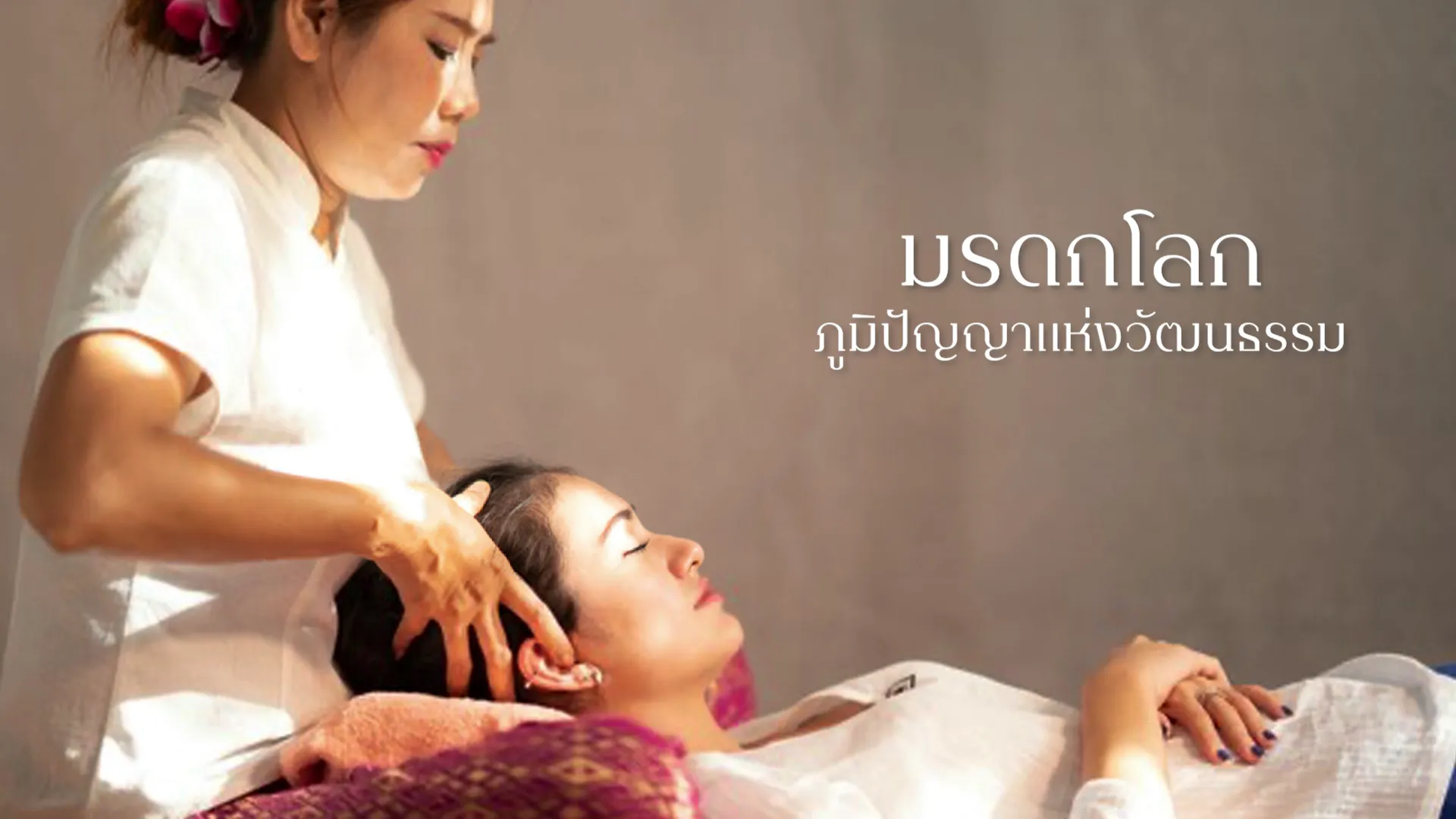
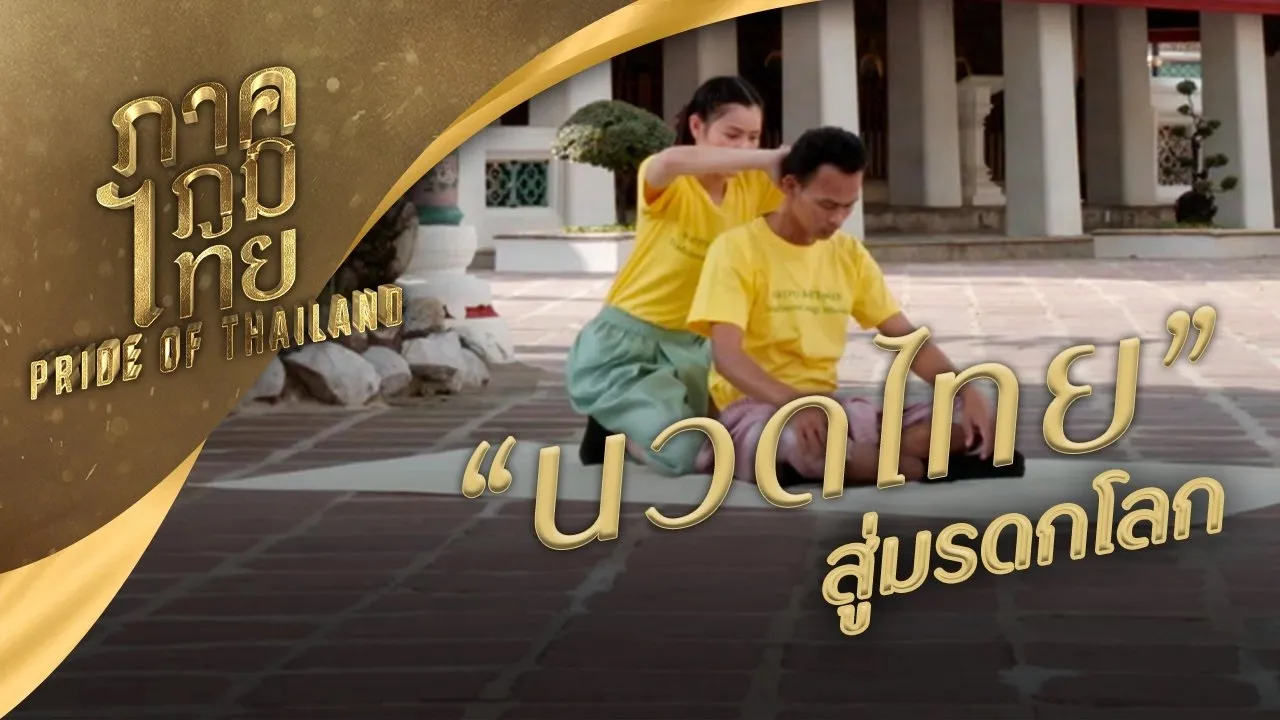
A key analytical point and central theme of the documentary is the changing role and status of Thai massage across different periods. The documentary shows that in the past, Thai massage was regarded as an advanced discipline practiced in the royal court. A Department of Massage Therapists was established, and systematic records of the practice were documented during the reign of King Rama III through inscriptions at Wat Phra Chetuphon Wimonmangkhalaram (Wat Pho) and the statues of hermits performing self-stretching exercises, creating a source of knowledge for the public.
However, as Western-style modern medicine became more influential in later periods, Thai massage was reduced to something associated merely with ordinary people. More seriously, its ethics and image were called into question as it became associated with the sex industry during the Vietnam War era and the subsequent growth of tourism. The documentary analyzes how the dignity of Thai massage practitioners was significantly diminished by social misunderstandings and a lack of serious government support in the past.
What the documentary presents most powerfully is “the process of reclaiming the dignity of Thai massage and proving its value” through the work of academics, traditional healers, and educational institutions seeking to transform Thai massage into an alternative form of medicine supported by scientific evidence. The documentary analyzes how UNESCO’s inscription of Thai massage as intangible cultural heritage is not an end in itself, but a tool for protecting the practice and raising professional standards.
Today, Thai massage practitioners are required to undergo systematic training, registration, and skills assessments, moving from being viewed as low-level service workers to becoming “healthcare professionals” recognized internationally. The passion and dedication of practitioners who strive to preserve traditional knowledge while remaining open to modern physical therapy assessments are at the heart of what allows Thai massage to remain a living practice and continue to grow today.
“The Dignity of Thai Massage on the World Heritage List” succeeds in making viewers recognize that Thai massage is not merely a service for pleasure or relaxation, but a historical and intellectual network that has supported people’s well-being since ancient times. The documentary concludes by leaving viewers with the thought that global recognition is certainly a cause for celebration, but what matters more is for people in Thailand to recognize the value of this practice and preserve its standards sustainably, so that this tradition, which has traveled a long way from ancient India, can continue to be a dignified heritage and serve the health and well-being of humanity in the future.
About Author
บอส หลงอินเดีย
นักเขียนผู้รักประวัติศาสตร์และความแตกต่าง ที่หลงใหลการเดินทางและการจดบันทึก เพื่อเข้าใจความคิดผู้คนต่างวัฒนธรรม