Marriage Equality: Not the End of Hope, but the ‘First Door’ to Reality
Read 0
The historical milestone of the enactment of the marriage equality law in Thailand is not merely a legal victory, but an epic struggle spanning over two decades by the LGBTQAN+ community. Season 14 of Thai PBS’s documentary "Big Story" reflects how this attempt was paid for with the sweat and tears of people who were once viewed as marginalized. In the past, same-sex love was often confined to the dark corners and deemed unnatural. However, civil society movements have transformed society from merely ‘acknowledging their existence’ to ‘recognizing their rights.’ Today, as the law takes full effect, it transitions Thailand into becoming the first country in Southeast Asia to embrace diversity, proving that human value should no longer be defined by gender identity.
When delving deep into the reality of the Marriage Equality Act enforcement, what the state has fully embraced and protected is the breaking down of bureaucratic walls that once deprived basic rights. This was done by changing outdated terms such as "man-woman" or "husband-wife" into gender-neutral words like "two persons" and "spouses." Consequently, the state must immediately protect rights in life and property, including the right to manage joint property, tax deductions, and inheriting as statutory heirs. Most importantly, it grants rights during physical crises, such as signing consent for medical treatment in emergency rooms or managing funeral arrangements in final moments, where diverse couples were originally pushed to be mere 'outsiders' with no legal authority whatsoever.
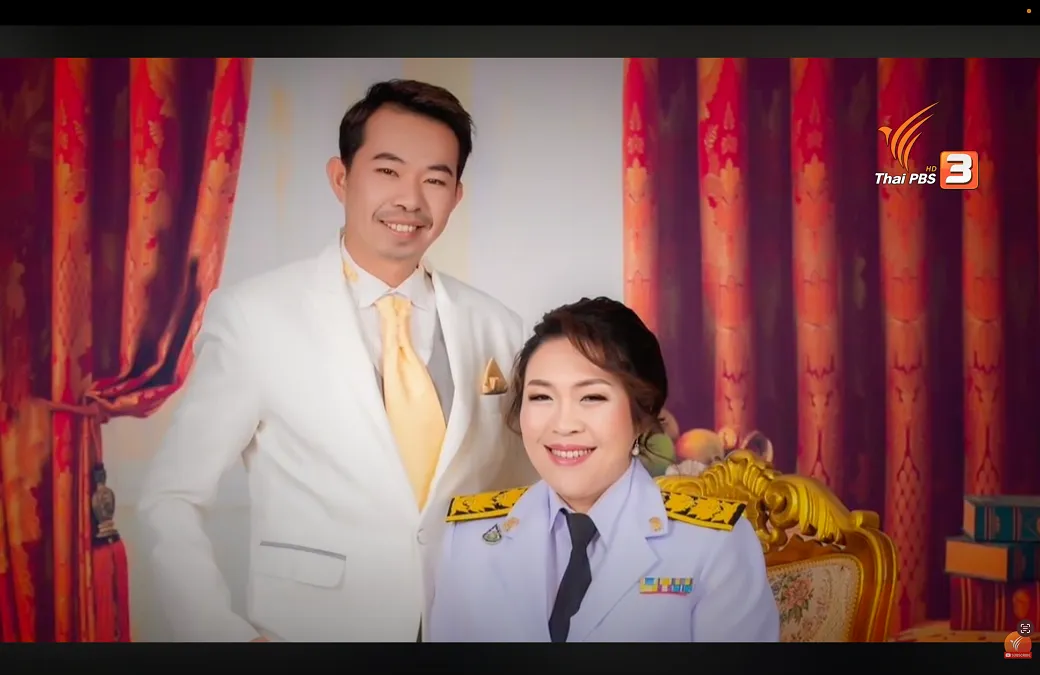
ภาพจากสารคดี Big Story เรื่องใหญ่ Thai PBS
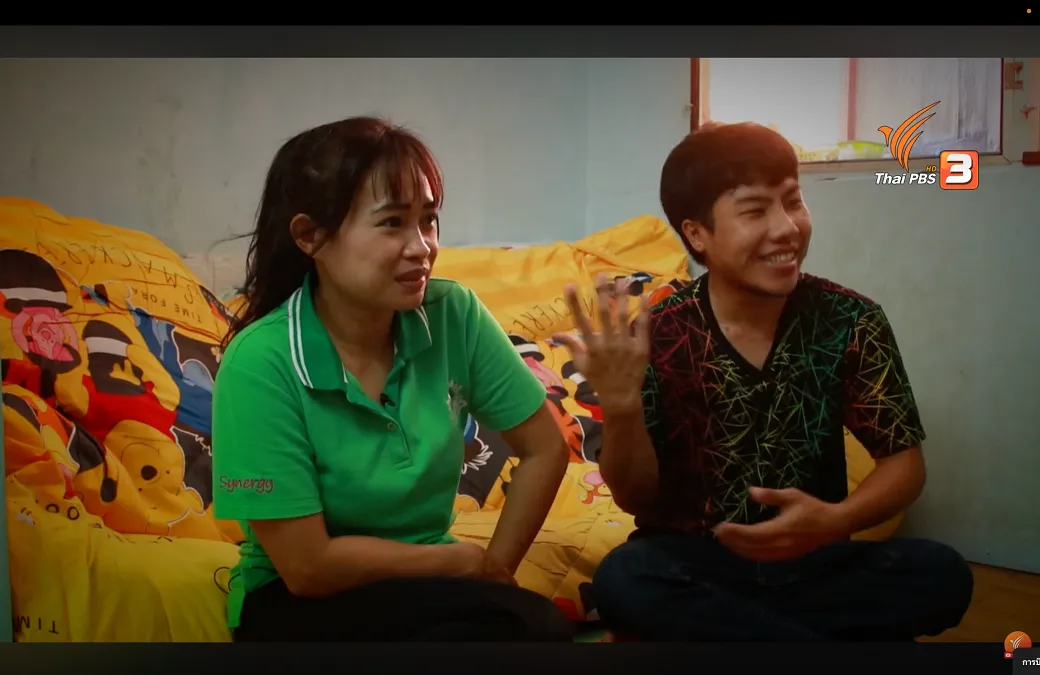
ภาพจากสารคดี Big Story เรื่องใหญ่ Thai PBS
However, within this monumental success, the documentary also reflects aspects that the state still 'does not protect,' becoming a critical gap that this law has not yet reached. That is the issue of rights in legal personhood status and building a complete family. Despite being named legal spouses, transgender individuals have not yet received the right to change their 'titles' to match their true gender identity, as the Gender Recognition Act has not yet passed endorsement. Furthermore, in the dimension of having children, the state still maintains strict limitations in the Surrogacy Act, which has not yet opened up for same-sex couples to access reproductive medical technologies equally, alongside certain rights in civil servant benefits, where the bureaucratic system still needs time to overhaul internal regulations to accommodate this reality.
These positive dimensions and gaps not only drive domestic society but also serve as key strengths in analyzing economic perspectives and Soft Power on an international scale. Opening the door to equality helps unlock the "Pink Economy," as the LGBTQAN+ community represents a population with high purchasing power. This law has become a magnet attracting tourists, couples, and capital groups from around the world. Especially when compared with India, a distinctly different path of struggle becomes clear. Although the queer community in India is highly active and won a historic case repealing Section 377, the Supreme Court of India ultimately rejected marriage equality rights, handing the duty over to parliament instead. Resistance in India mostly stems from deeply rooted religious values and traditions. The victory and courage of Thai law thus become a beacon of hope, sending ripples across Asia.
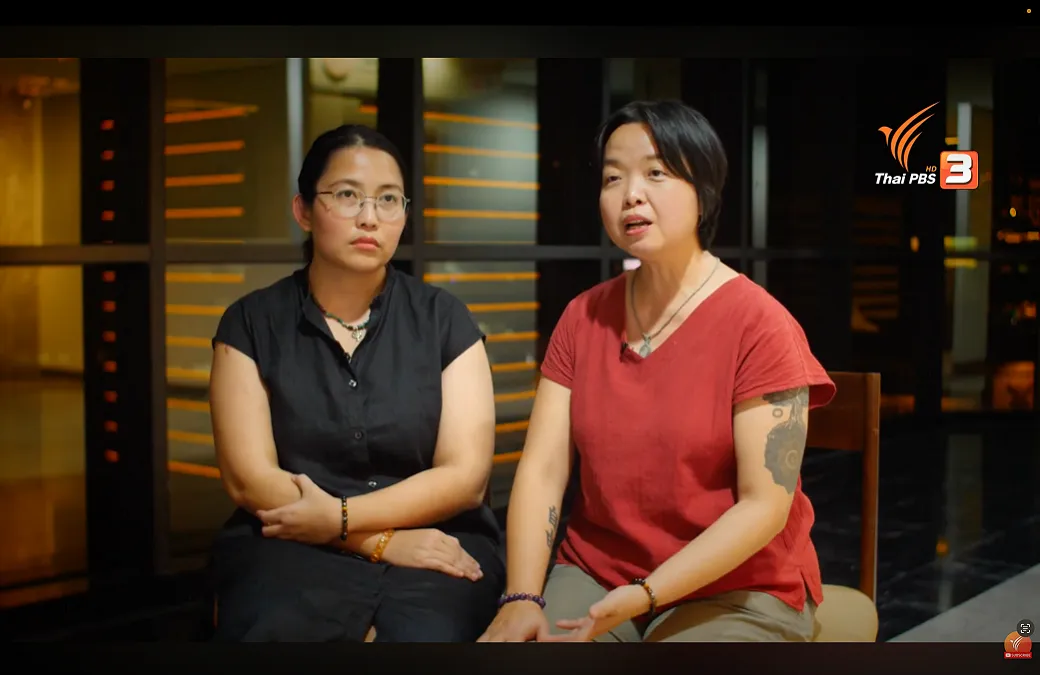
ภาพจากสารคดี Big Story เรื่องใหญ่ Thai PBS
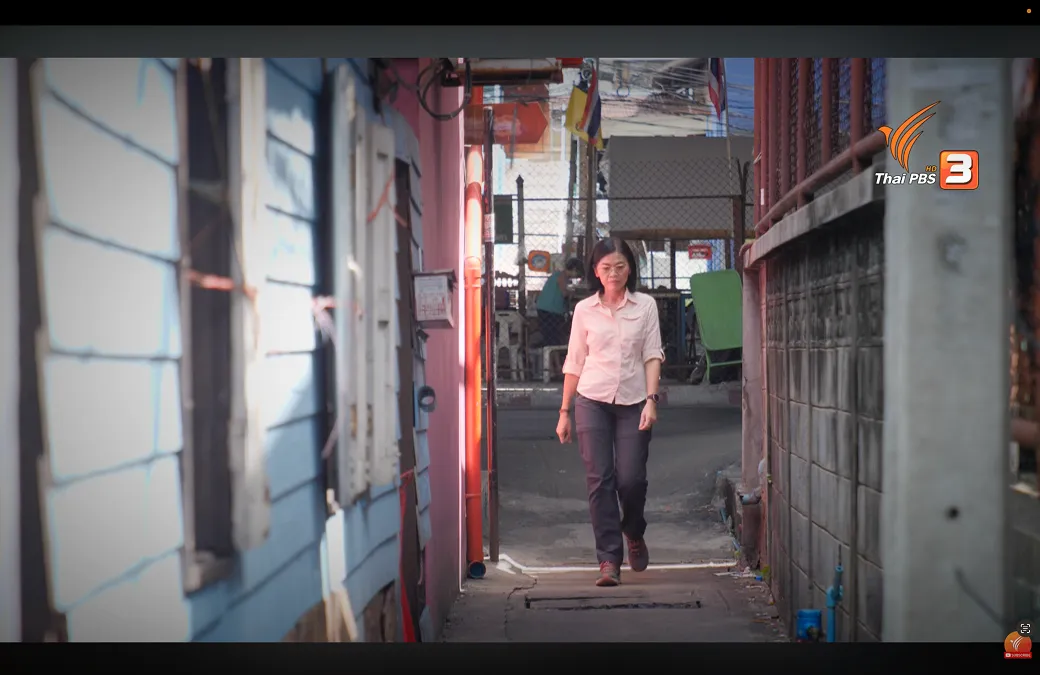
ภาพจากสารคดี Big Story เรื่องใหญ่ Thai PBS

Finally, the storytelling approach of this documentary series does not focus on superficial victory celebrations or drowning in past tragedy, but proceeds with calm, depth, and an emphasis on structural analysis. It weaves real human lives together with legal, psychological, and economic facts to serve as a reminder that the Marriage Equality Act is merely the "first door." The next challenge lies in the "mental rules" of people in society, who must erase biases in traditional binary gender mindsets to jointly push for the remaining rights. This documentary thus serves as a powerful historical record: as long as humans must face life's uncertainties, having laws that embrace pure relationships will ensure that no one is left behind simply because of their gender identity.
About Author
บอส หลงอินเดีย
นักเขียนผู้รักประวัติศาสตร์และความแตกต่าง ที่หลงใหลการเดินทางและการจดบันทึก เพื่อเข้าใจความคิดผู้คนต่างวัฒนธรรม