"Eating Chicken Makes the World Choke": When your favorite plate of Chicken Rice links to the toxic dust you breathe every day.
Read 0
According to 2022 data from the Organisation for Economic Co-operation and Development (OECD), people worldwide consume over 98 million tons of chicken annually, or more than 4.3 billion birds.
This figure shows no signs of slowing down, with an upward trend every year. Chickens grow fast, are easy to raise, affordable, and complement every global cuisine. However, on the other side of the food chain that we rarely notice, a visible problem is emerging: PM2.5 toxic haze, which is slowly claiming the lives and health of Thai people.
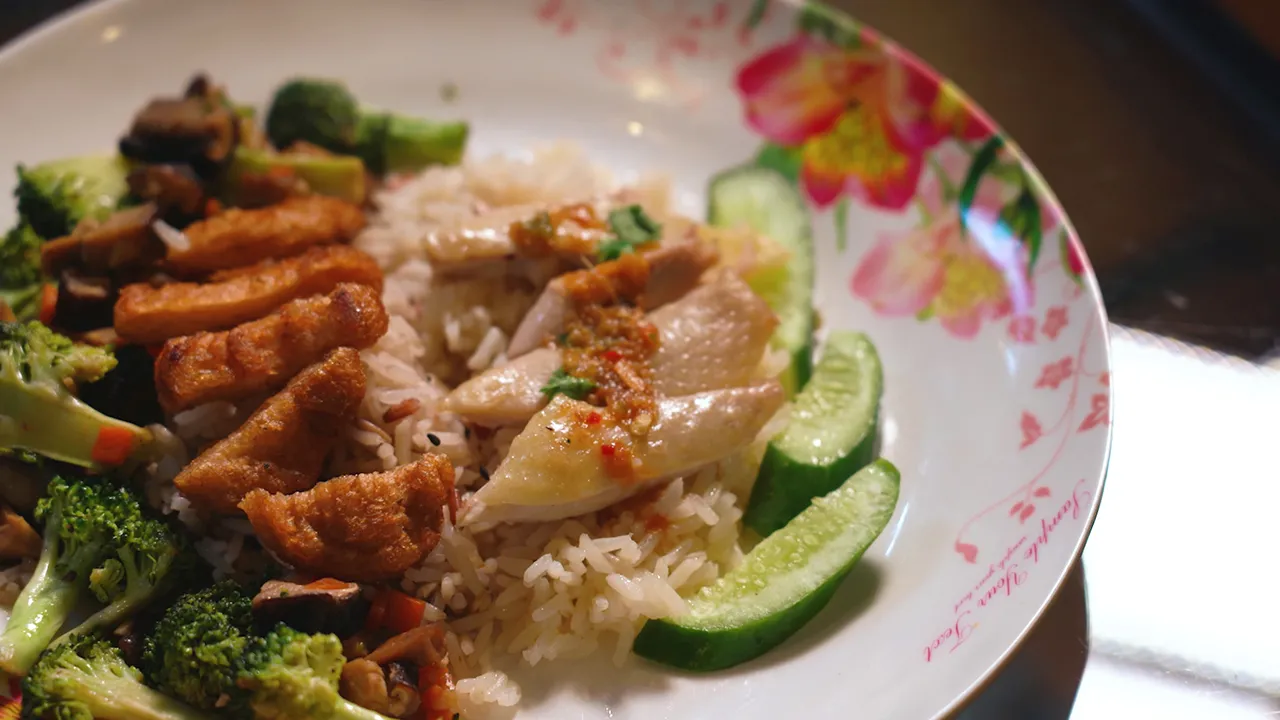
The path from a plate of chicken rice to toxic dust is more connected than one might think.
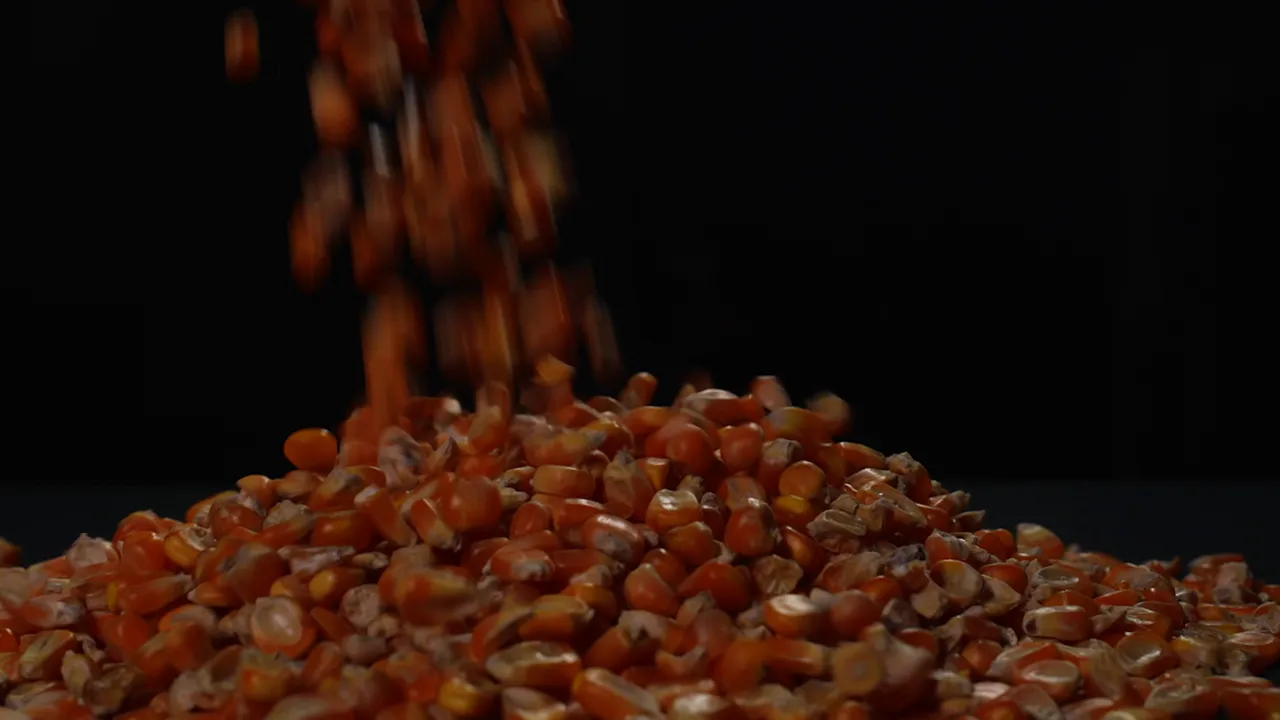
Agricultural burning in areas using high-heat chemicals (100–500° C) causes these substances to mix with airborne dust, creating PM2.5 that is far more toxic than ordinary dust. The critical link is "Corn". Dr. Kriangwit Limpavitayakul from the Faculty of Veterinary Science, Chulalongkorn University, explains that
"Corn accounts for 60–70% of animal feed ingredients because it provides both energy and the pigments that give chicken skin the yellow hue desired by the market. Since it takes 1.5 kg of feed to produce 1 kg of chicken meat, the demand for corn is astronomical".
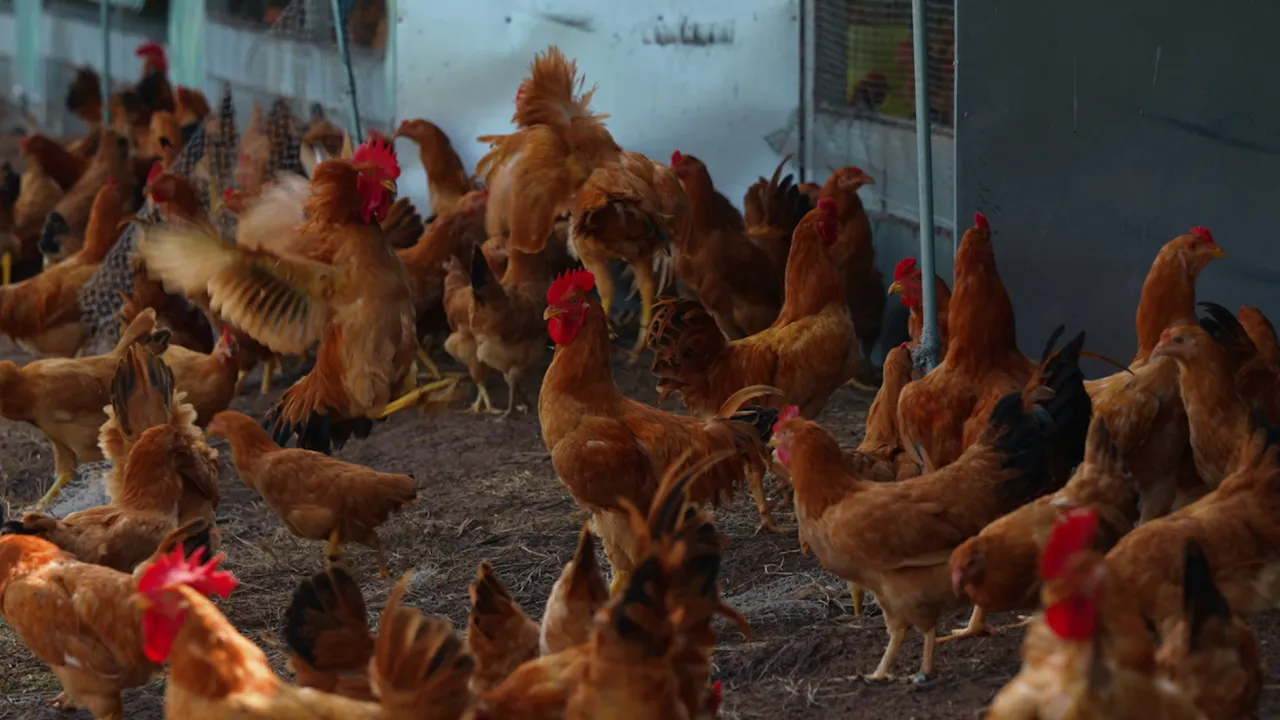
Thailand does not just raise chickens for domestic consumption.
But it is a world-class export hub generating over 100 billion Baht annually and employing more than 30,000 farmers. This means as the chicken industry grows, corn demand spikes accordingly. When the harvest season ends, most farmers still opt for the cheapest way to dispose of corn husks. That is "Burning". This is the source of the crisis everyone is currently inhaling. Statistics showing soaring death rates from respiratory diseases, COPD, and lung cancer, which stretch from the upper West across to the North, tell this story more clearly than any explanation.
A major concern is that this crisis does not end when the winter departs.
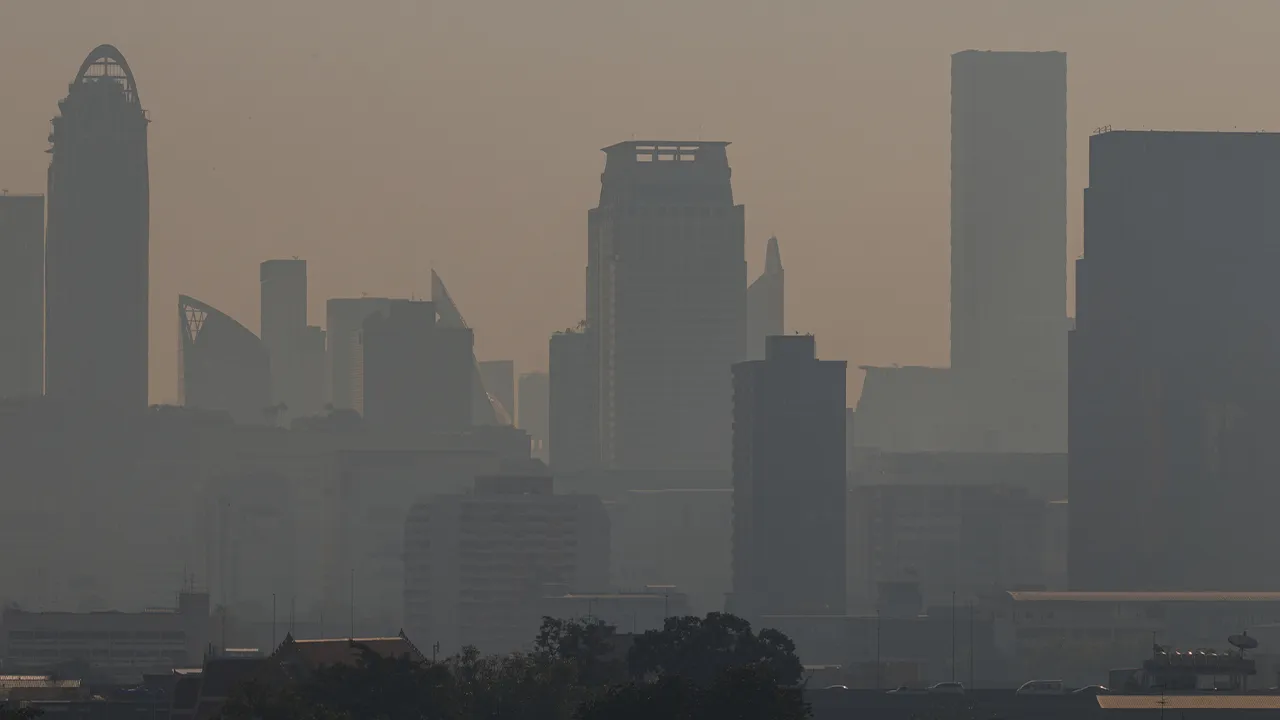
Data from the Air Pollution Mitigation Center as of April 21, 2026, found that PM2.5 levels in Chang Khoeng Subdistrict, Mae Chaem District, Chiang Mai, surged to 140.8 μg/m³, ranking it the 2nd most polluted city in the world by IQAir, with over 31 locations across the North exceeding safety standards. Many hope that the summer heat and Songkran water will wash away the dust, but reality suggests otherwise. March and April represent a transition period where monsoons have yet to arrive, leaving winds weak or stagnant; thus, dust accumulated through winter remains trapped. Furthermore, the extreme heat in April creates "low-pressure cells" that suck in dust from other sources to accumulate in large cities like Bangkok. Even Songkran water splashing cannot truly solve the problem; water droplets are 200 times larger than PM2.5, creating air currents that push the dust away rather than capturing it to the ground.
The solution does not lie in policy alone but starts at the dining table.
Chakchai Chomthongdee, Southeast Asia Regional Director of TILT Collective,
"points out that Thais currently get 70% of their protein from meat and only 30% from plants. This contradicts health recommendations and global sustainability."
To produce 1 part of chicken protein, 5–6 parts of plant protein are required. Shifting toward a 50:50 ratio of plant-based animal protein, supporting eco-friendly poultry farmers, and pushing for the Clean Air Act are small but effective steps. Every choice made on your plate today is a vote for the air that you and your loved ones will have to breathe tomorrow.
Source: “The World on a Plate” Programme and Thai PBS
▶ Watch the documentary จานนี้มีเรื่องโลก
Watch now on www.VIPA.me or VIPA Application
About Author

Poramuth Weerasakthara
An aspiring reviewer who wants to share stories from the voice within.