Secrets from the Silo: Sacrificing My Lungs to the Global Food Supply Chain
Read 0
Feeding the World, Forfeiting My Lungs: The Cost of Modern Agriculture.
Have you ever looked at a plate of roasted pork, or a neatly packaged cut of meat in the supermarket, and wondered whose 'breath' was sacrificed to bring it to your hands?
In a world of effortless convenience, where a hot burger is ready in minutes and perfectly sliced pork awaits our shabu pot, the food industry masterfully crafts an illusion—that this abundance appears as if by magic. As consumers, we willingly embrace the fairy tale, choosing a guilt-free dinner over the uncomfortable truth, comforted by the thought that no one is getting hurt.
But VIPA’s 25-minute short documentary, Budapest Silo, won’t let us off that easy. It peels back the magic and forces us to look at the harsh reality sealed behind those concrete walls.
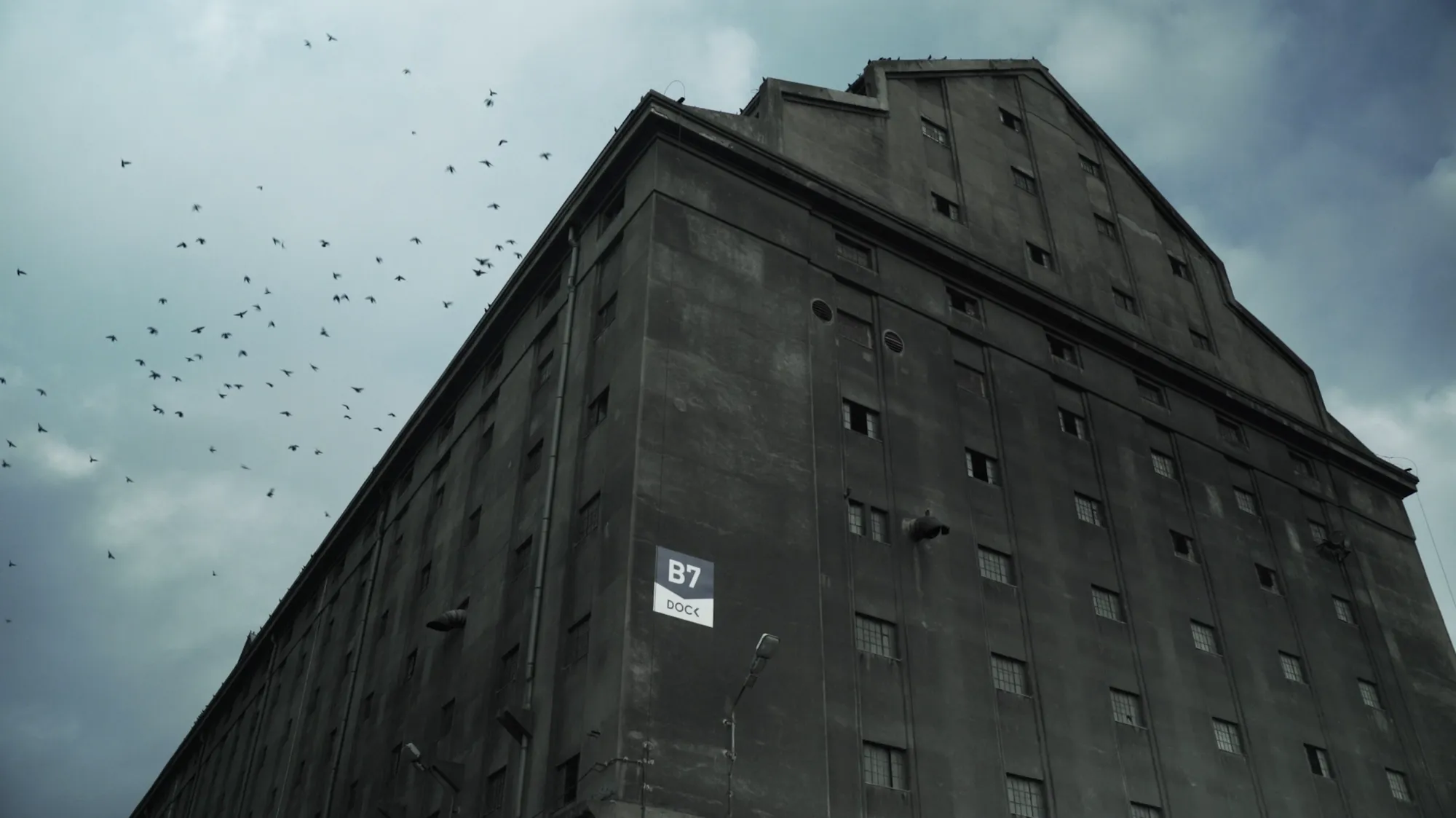
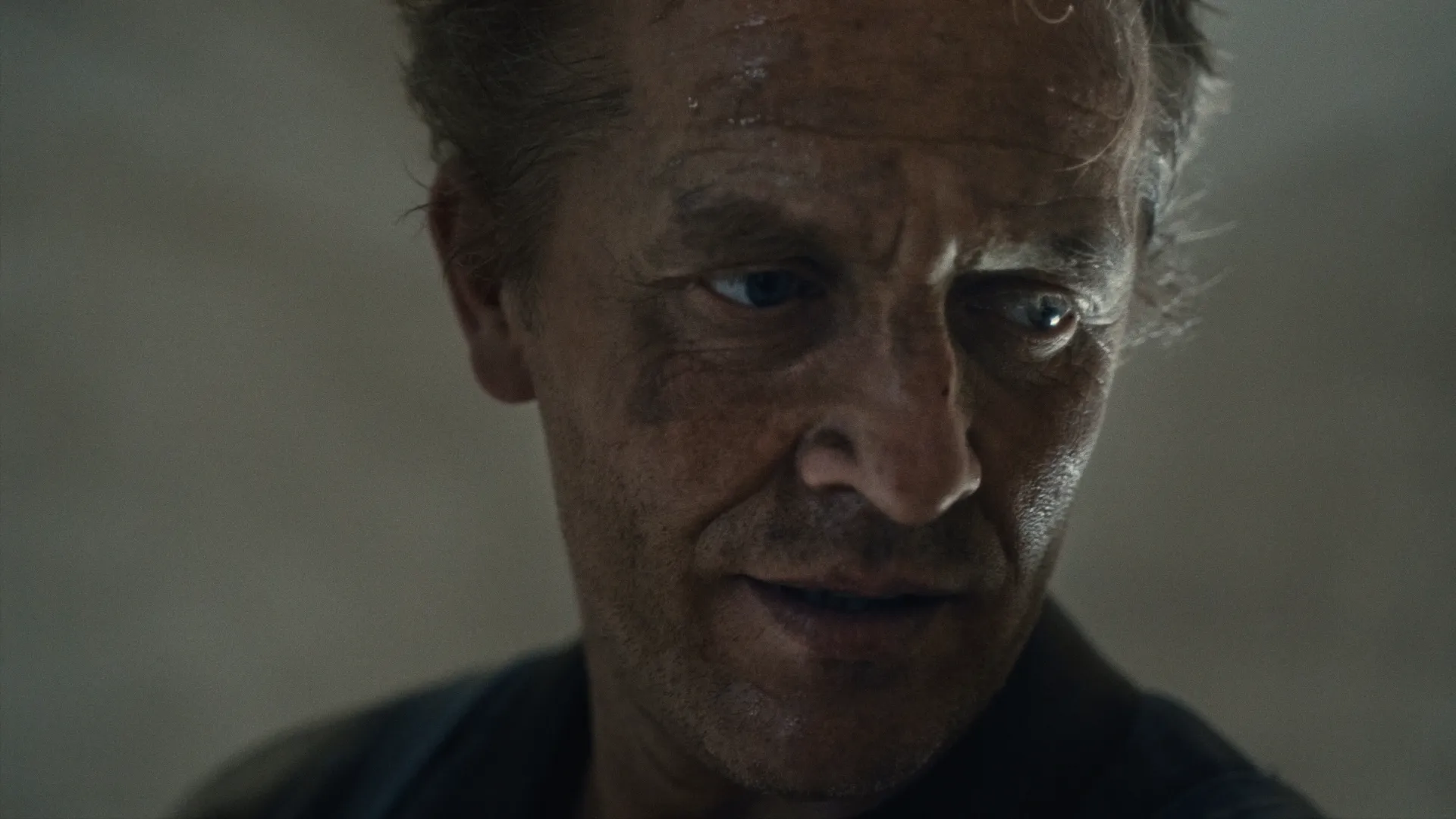
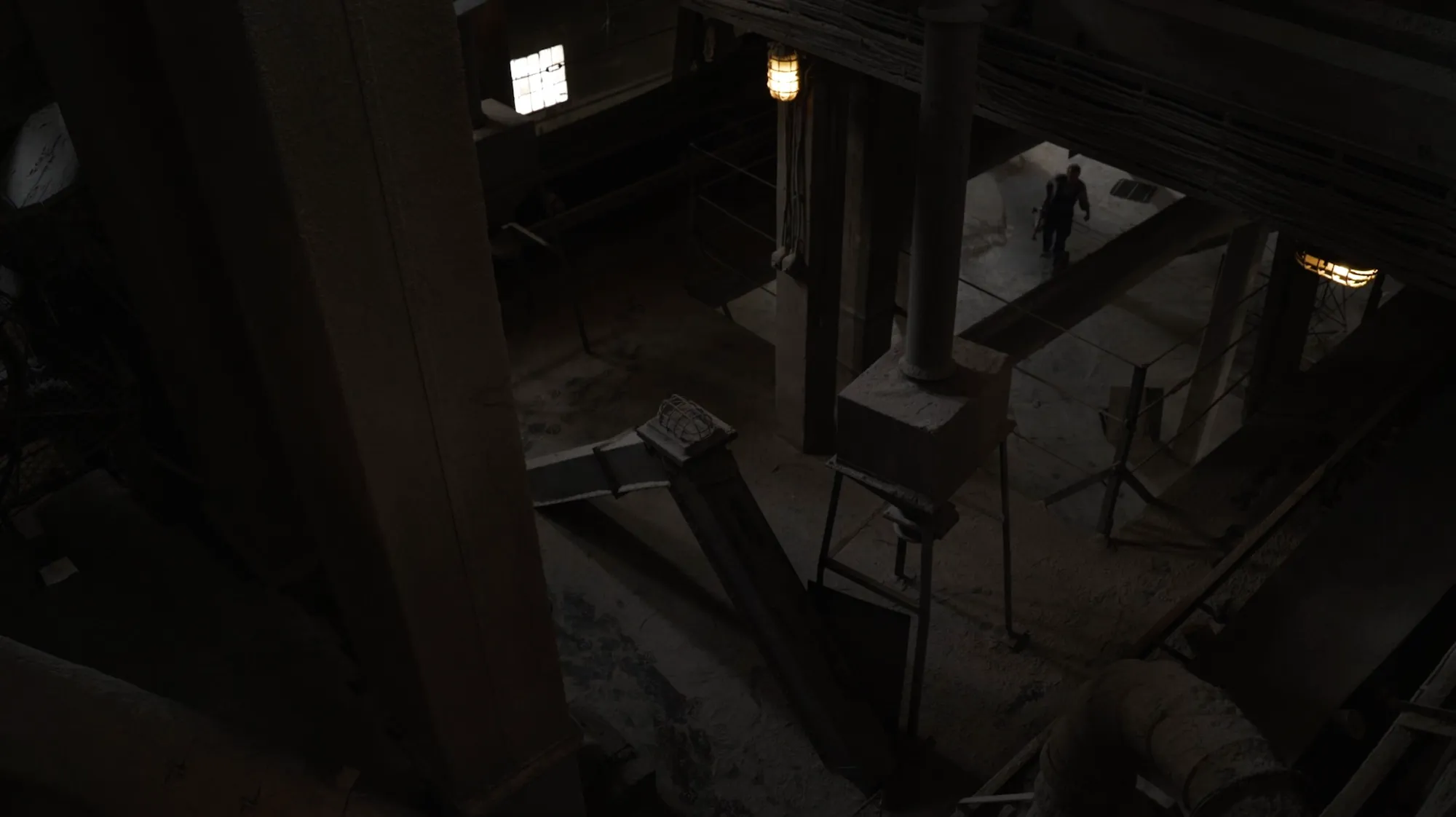
The story introduces us to József, a man who has spent over 30 years of his life cleaning the depths of the largest grain silo in Budapest, Hungary. His home is a dilapidated shipping container tucked away beside a massive concrete building, where day and night, he endures the relentless rumble of trains and trucks grinding against the road. When it is time to work, József straps himself into a safety harness and rappels into a pitch-black silo, descending the equivalent of a 10-story building. The image mirrors a diver plunging into the ocean depths—except that the sea offers glimpses of sunlight, oxygen tanks, and an enchanting world. The bottom of the silo offers none of that. It is stark naked darkness, and what he breathes in is not life-giving air, but a 'deadly dust.'
Medically, this condition is diagnosed as 'Farmer's Lung,' otherwise known as Organic Dust Toxic Syndrome (ODTS). The continuous inhalation of grain dust within enclosed spaces causes the immune system to collapse, leading to chronic flu-like illness and eventually fatal lung damage. Statistically, one in ten agricultural laborers shares this grim destiny. József is no exception; the invisible dust is slowly eroding his lungs. Yet, he is trapped. His very existence has fused with the massive silo. He is a microscopic cog destined to break, ensuring that the elite’s commodities remain clean, protected, and in flawless condition for subsequent processing.
Bringing the focus from Budapest back to Thailand...
While József’s struggle on the other side of the planet may appear remote, our destinies are actually interconnected along the very same assembly line. If the Budapest silo represents an enclosed chamber that sequesters dust to ruin one man's lungs, the skies of northern Thailand and beyond have become a 'monumental silo without a roof.' Yet here, it is not a lone laborer trapped inside, but a population of tens of millions enduring the toxic air.
Did you know 83% of Thailand's agricultural fires come from rice, corn, and sugarcane waste? What’s worse, 99.83% of that corn is grown for animal feed, not humans. The cheap pork we eat every day is fueled by toxic smoke. During the 'burning season' (March–April), this unsustainable agriculture causes 51% of Chiang Mai's PM2.5, sending pollution soaring to 400 micrograms per cubic meter—3 to 5 times over the WHO limit. The human cost? Northern Thailand now has the highest rate of lung cancer in the country.
In economics, this phenomenon is known as the 'Externalization of Costs.' To keep meat prices low and maximize profits, the food industry giants never include the price of 'ruined lungs,' 'sick days,' or 'end-stage cancer treatments' into that package of sliced pork. The ones paying this staggering bill are not the billionaires, but the consumers, the patients, and every single taxpayer. Projections show that if the livestock industry continues expanding on its current path, premature deaths caused by corn field burning will skyrocket past 361,000 by 2050.
However, a ray of light appears amidst the gloom. At the end of 2025, the Thai government implemented a crucial regulatory measure, mandating that as of January 1, 2026, all imported corn for livestock feed must possess a 'Zero-burn' certification, verified through satellite traceability. Non-compliant importers will be subjected to an immediate one-year suspension. Although this demonstrates positive government action, the public must continue to monitor the situation. The true test lies in whether these written regulations possess the necessary teeth to counter the powerful mechanism of multinational corporate greed.
The most haunting final scene in the documentary isn’t József choking on dust or crying over his fate. It’s when he hangs from his safety rope in the dark bottom of the silo, moving his body smoothly as if he’s 'dancing.' In that moment, he keeps floating—holding onto his flight, even though his lungs are already gone.
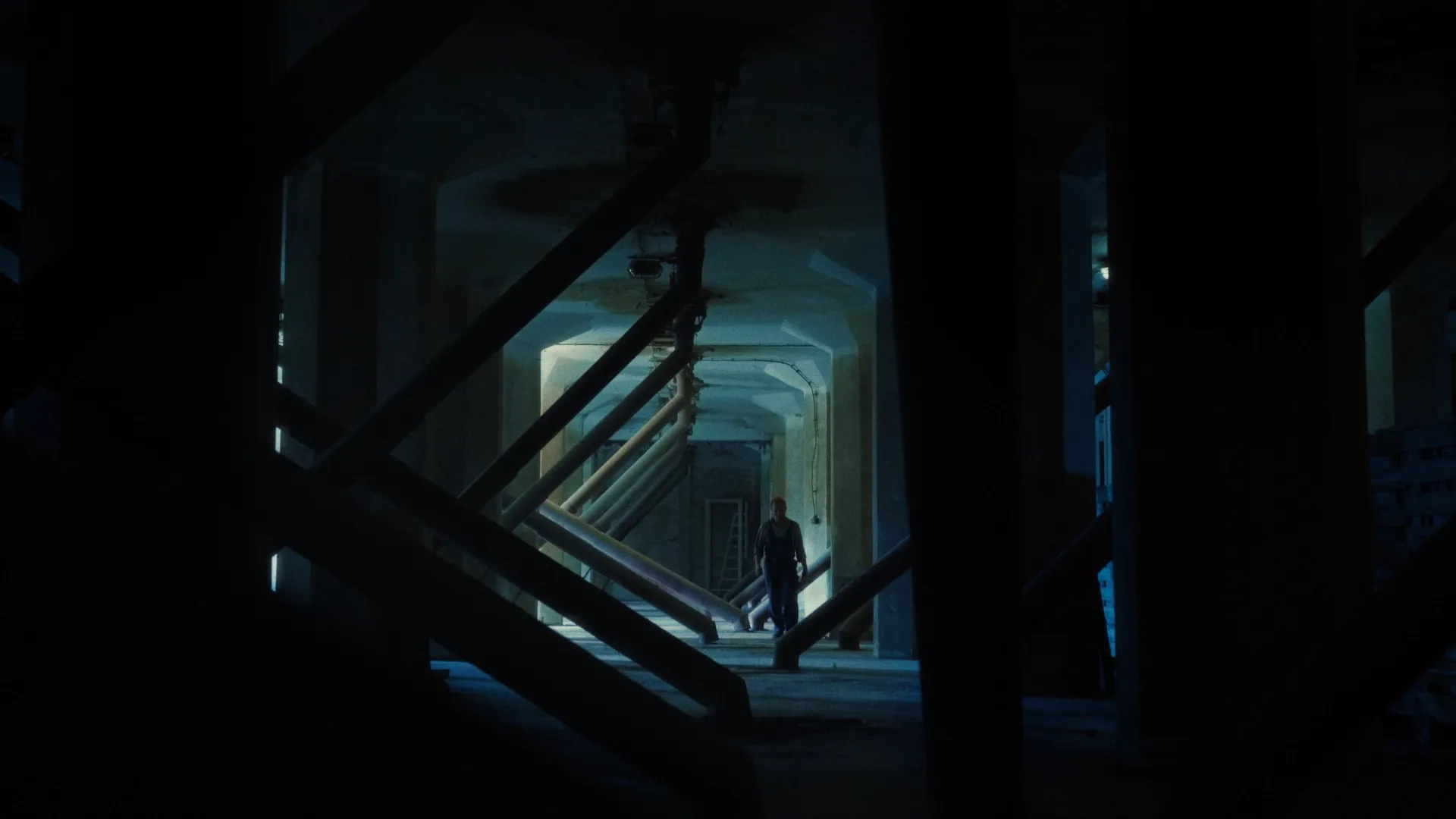
Maybe that is the sole remaining sanctuary for those entirely consumed by the system. Unable to escape a darkness they never chose, their only recourse is to learn how to 'float' and dance with it. If József, breathing in toxic dust daily in the depths of the silo, can still find the grace to dance, it is entirely understandable why millions of Thais simply bow their heads and endure, carrying on with their daily existence under a permanently hazy sky.
In reality, however, they should never have been subjected to this fate. The 'Kitchen of the World' ought not to carry such a devastating toll. No individual’s lungs should ever serve as a filtration system, sacrificed for the profit margins of industrial food conglomerates.
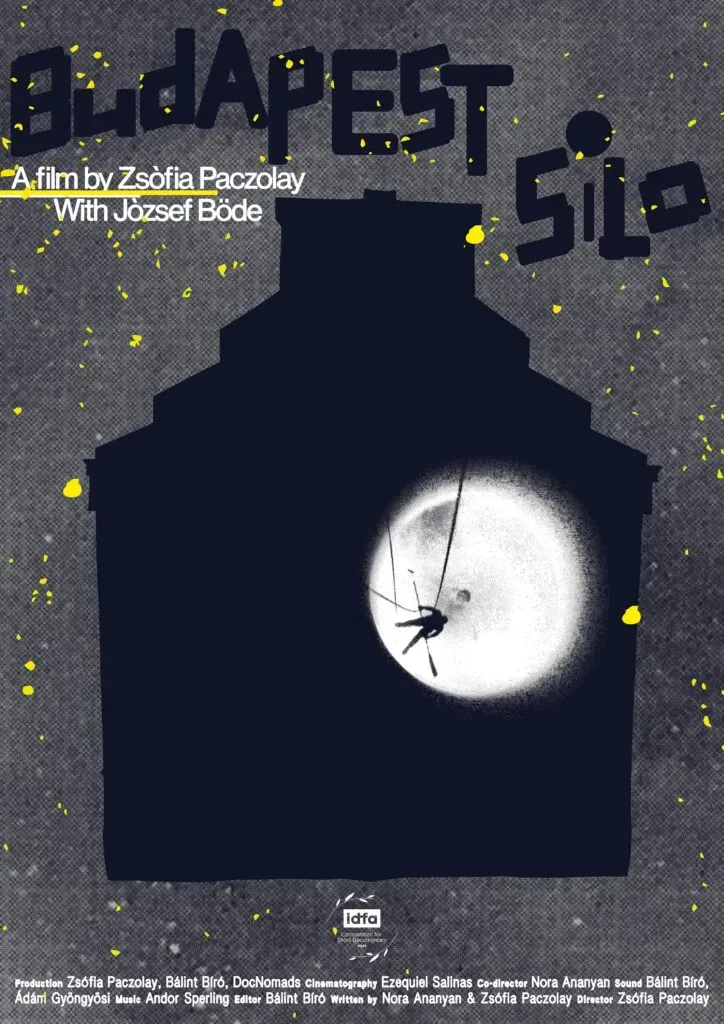
Journey inside the concrete grave consuming workers' lives. Stream the short documentary 'Budapest Silo' now on VIPA.
▶️ https://play.vipa.me/FWYbZL9uC0b
References
- OSHA Youth in Agriculture — Farmer's Lung & ODTS
- Madre Brava / Asia Research Engagement (2025)
- Chiang Mai University / Mongabay (2024)
- IQAir (2021)
- Green Queen
- Nation Thailand / Feed Strategy
- Department of Foreign Trade, Ministry of Commerce
About Author
Oakland Krist
a pop culturist who breathes it like air | a storyteller with pretty much still in the making | a little poetic but absurd at the same time