Under the Roof: A Home That Is Not a Safe Zone and Thailand’s Structural Scars
Read 0
Every November is designated as the month for campaigning to end violence against children and women. However, the documentary "Big Story" by Thai PBS, in the episode "Relationship Violence", rips off the mask of a painful truth to reveal that for many victims, "home", which should be the safest safe zone, turns out to be the most brutal battlefield of their lives. The documentary reflects that relationship violence does not start with a fist or a palm but begins with patriarchal thought structures that have long been embedded in Thai society. Ancient values stating that "marital issues are private matters" or "keep family troubles inside, and outside troubles out" have become a prime shield allowing domestic crimes to be swept under the rug. Even more so in the present era, violence has ‘mutated’ into psychological forms including emotional confinement, financial control, and cyberbullying. This documentary series does not tell the story to draw tears, but uses a steady and powerful lens to point out how these invisible scars are mercilessly eating away at the country's human resources.
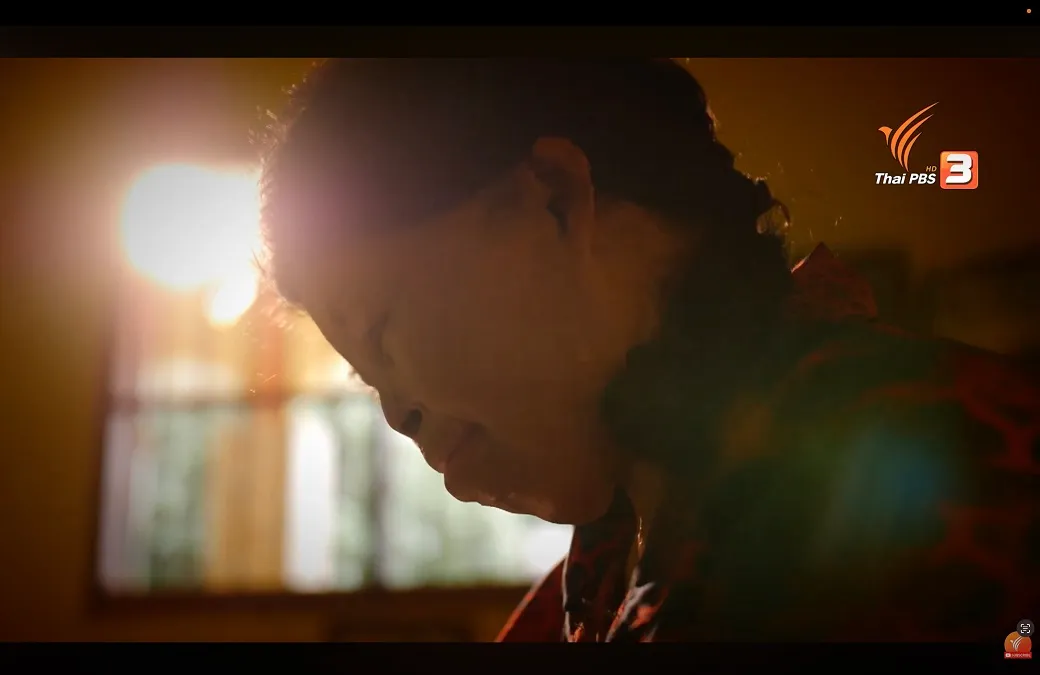
When turning to look at the legal and protective aspects, Thailand has a primary weapon, which is the "Domestic Violence Victim Protection Act," as well as mechanisms of the 1300 Social Assistance Center and multidisciplinary teams that the state attempts to drive forward to embrace victims. However, what the documentary exposes in a piercing manner is the "gap between the written law and reality at police stations." Even though the law is beautifully written, stating that the state must protect and isolate offenders, the intent of Thai law still focuses on "compromise and preserving the family institution" rather than protecting the life of the individual. Many victims walk crying into police stations, only to be mediated by officers to return and make amends, simply because it is viewed as a natural domestic clash. Leading to repeated tragedies that the state is never able to protect against in time. The moment victims are left without emotional support and physical safety, the state's protection mechanism becomes nothing more than a paper tiger without fangs in the real world.
When broadening the picture to compare with India, one sees a similarity that differs and escalates in severity twofold. India is a country facing one of the highest indices of violence against women in the world, stemming from the dowry system and a deeply entrenched patriarchal culture (male dominance) embedded in the bloodline. In terms of advocacy, India has very aggressive and specific laws, such as the Protection of Women from Domestic Violence Act of 2005 and the establishment of "fast-track courts" specifically to try sexual harassment and abuse cases. However, India's massive obstacle is "tradition and community structures" (Khap Panchayats) that hold influence over state power. In many areas of India, if a woman rises up to sue her husband, she will not only be abused again, but will also be branded and exiled from the community. A victim's victory in going to a police station in India must therefore be traded for social extinction, unlike Thailand, where although the mechanical system is sluggish, victims still have a place to stand in society. This comparison clearly demonstrates that no matter how strongly a law is written, if the cultural structure still views women as personal property, that law remains virtually meaningless.
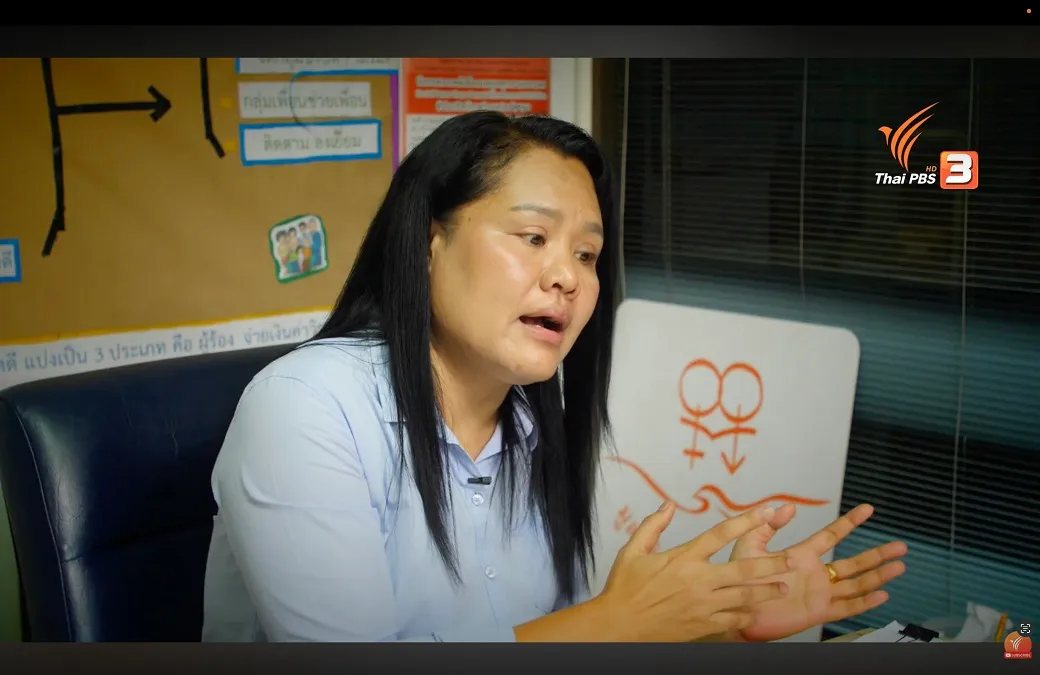
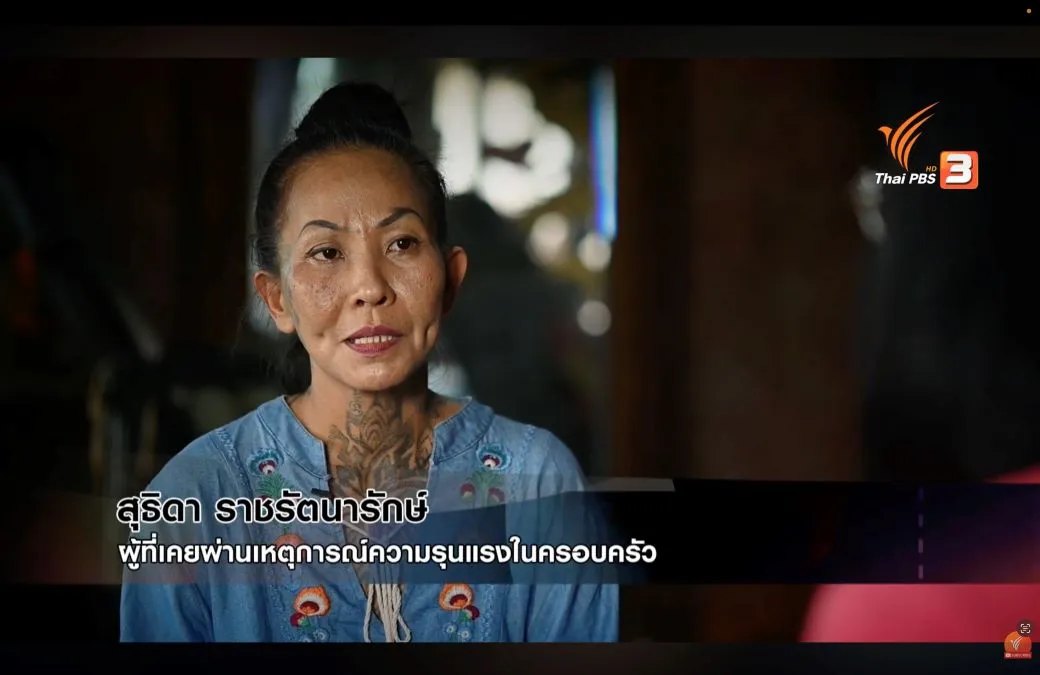
Finally, the presentation approach of this episode of the "Big Story" documentary is to act as a large mirror reflecting that the Protection Act or the annual campaign day will never achieve results as long as society still does not dare to break down gender myths. The documentary sends a sharp warning signal that relationship violence is not a private matter between two people, but a "public issue" in which everyone must participate in monitoring and lending a helping hand.
The story's approach focuses on in-depth analysis that is not merely about finding fault with offenders, but about dismantling the thought system structure to build immunity for society. This documentary therefore acts to record a page of history and reinforce the universal truth that as long as we still let silence do its job at home, the campaign day to end violence will be nothing more than a soulless annual ritual, and the fight for the human dignity of children and women will continue to be the first step that Thai society must jointly walk forward on endlessly.

About Author
บอส หลงอินเดีย
นักเขียนผู้รักประวัติศาสตร์และความแตกต่าง ที่หลงใหลการเดินทางและการจดบันทึก เพื่อเข้าใจความคิดผู้คนต่างวัฒนธรรม