War has never accounted for "her"
Read 0
Upon the Carpathian Mountains, three women sat in silence...
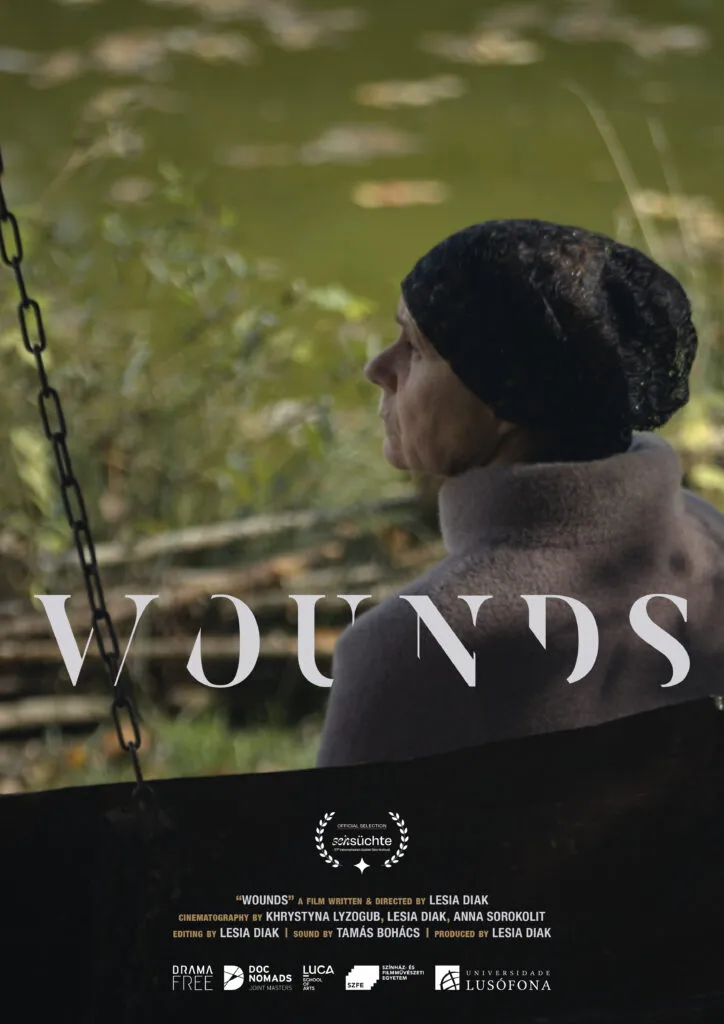
Two are mothers, and the third a wife. All three have recently lost their loved ones to the Russia-Ukraine war—men who vanished without a chance for farewell or closure. Director Lesia Diak’s lens captures their deepest reflections, emanating from the heart. Though set against a tranquil mountain backdrop, these quiet moments resonate deeply, revealing the raw grief and the unhealed 'Wounds'—as the title suggests—that still ache for solace.
War is traditionally recorded as a chronicle of strategy and sovereignty—a grand epic of heroism and masculine bravery that spans generations. While we immortalize these soldiers with monuments, the experiences of the women who must endure the aftermath among the debris are frequently excluded from the record. This oversight creates a false narrative: that war is a matter only for the front lines, as if its devastation never truly reached the doorsteps of those at home.
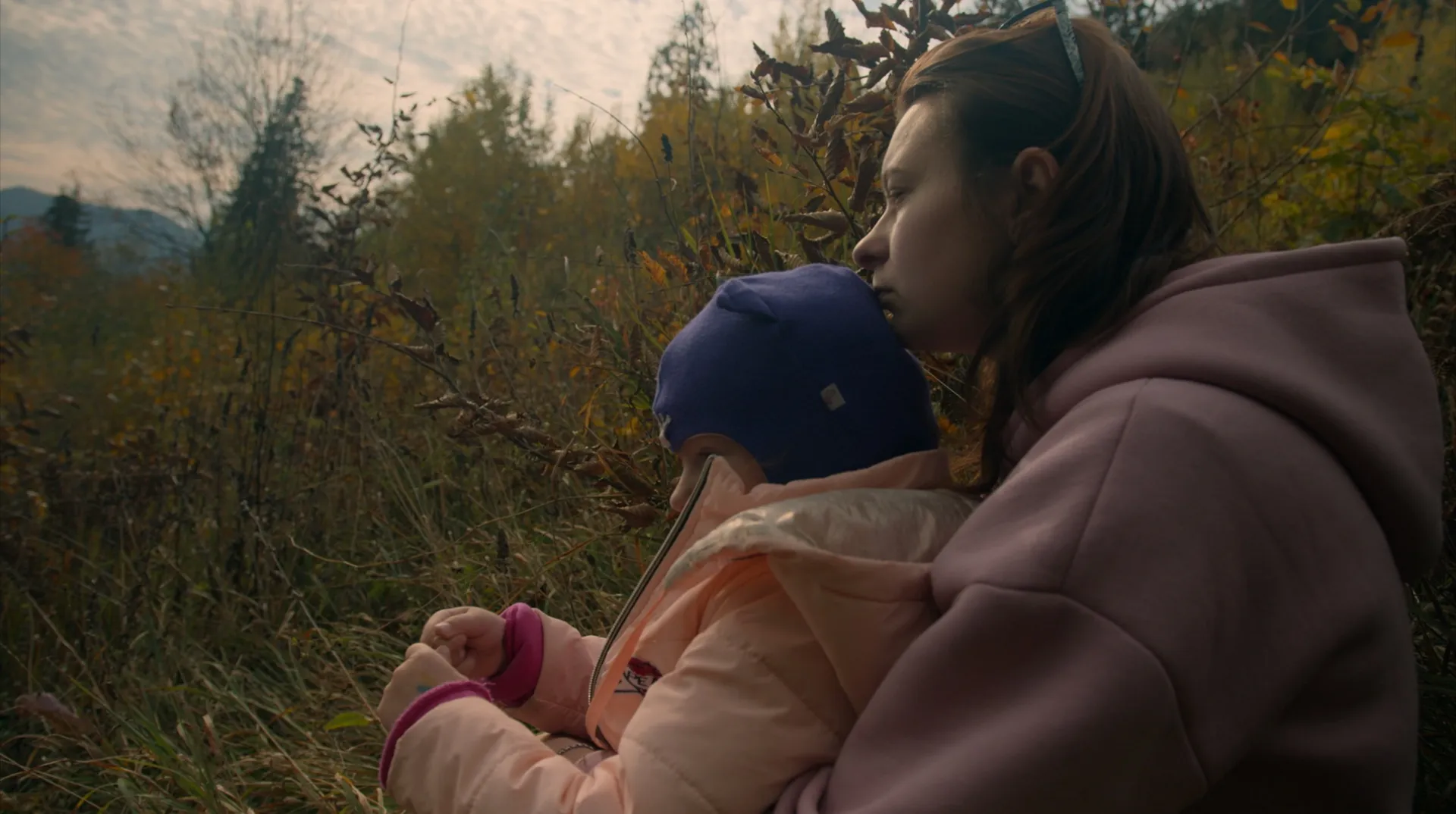
ภาพจากสารคดีเรื่อง Wounds บาดแผล
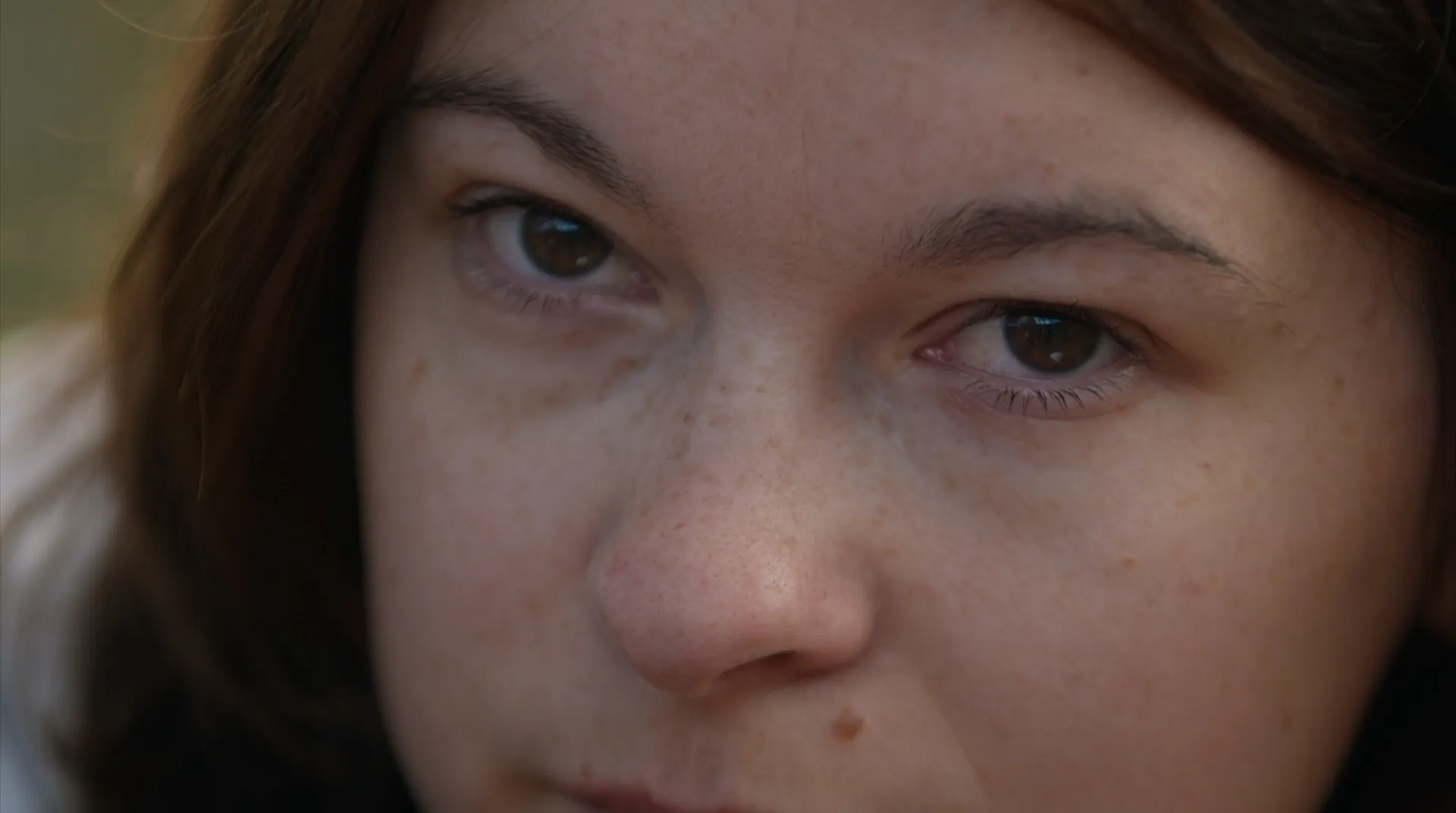
ภาพจากสารคดีเรื่อง Wounds บาดแผล
Research from the London School of Economics (LSE) highlights a compelling irony: while men constitute the majority of direct military casualties, it is women who suffer more severely from the 'indirect consequences' of war. Though they may survive the battlefield, they are left to endure the aftermath—struggling through food shortages, collapsed healthcare systems, and the grueling labor of keeping their families afloat. Furthermore, a report by UN Women on the war in Ukraine reveals a staggering toll: 42% of Ukrainian women are at high risk of depression, while their unpaid care work has surged to 56 hours per week—a burden many times heavier than in times of peace.
As it is in the real world, so it is on screen. Most war cinema centers on the male narrative, with only a few films dedicated to exploring the lives of women in depth. Here are some standout examples that deserve mention:
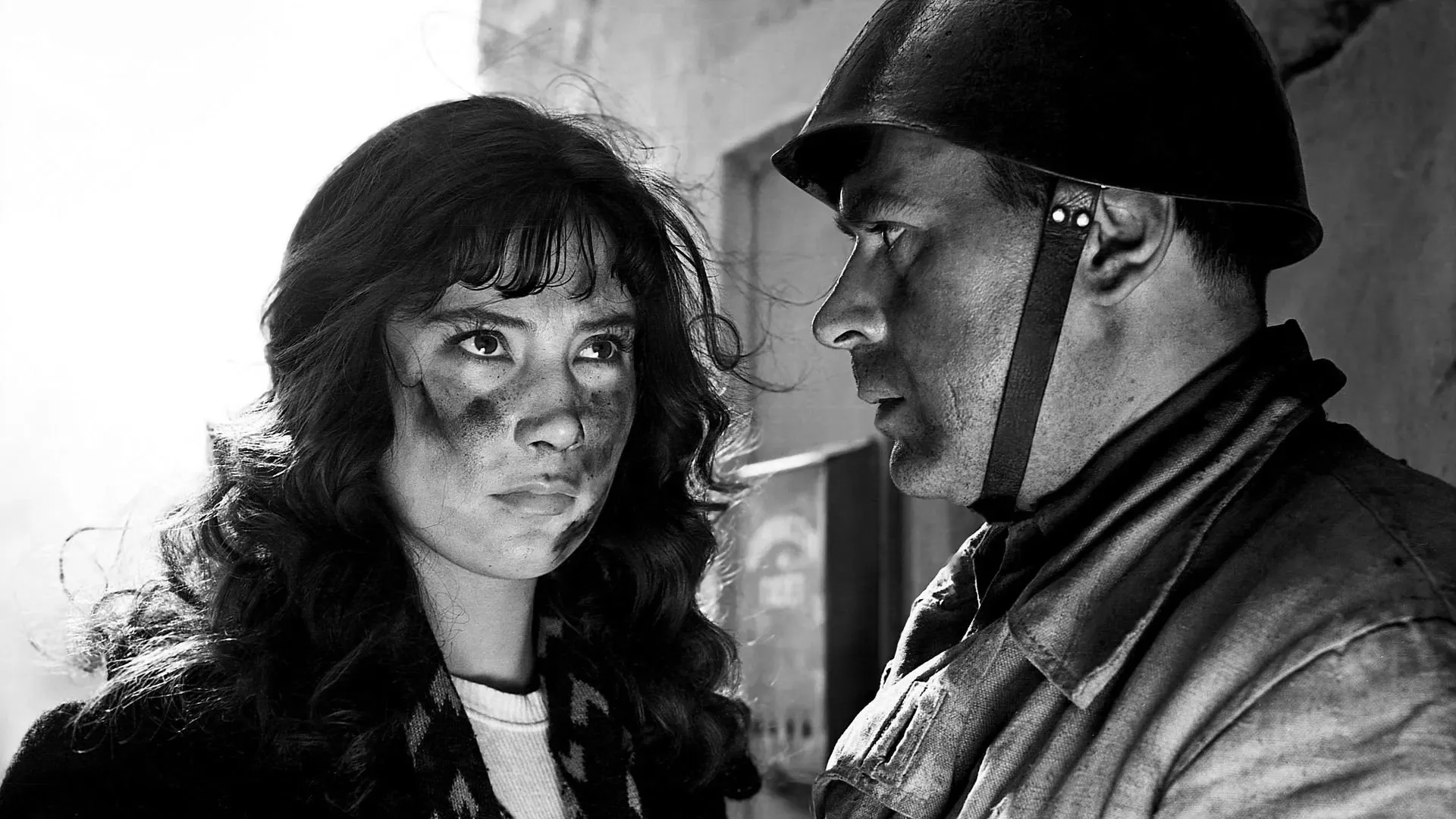
- Mikhail Kalatozov’s The Cranes Are Flying (1957) follows a young woman who loses her lover to the front lines and her parents to the bombings. To compound her tragedy, she suffers an assault amidst the chaos of war. Yet, when confusion drives her into an unwanted marriage, society coldly brands her a villain, utterly indifferent to the deep, lingering trauma within her heart.
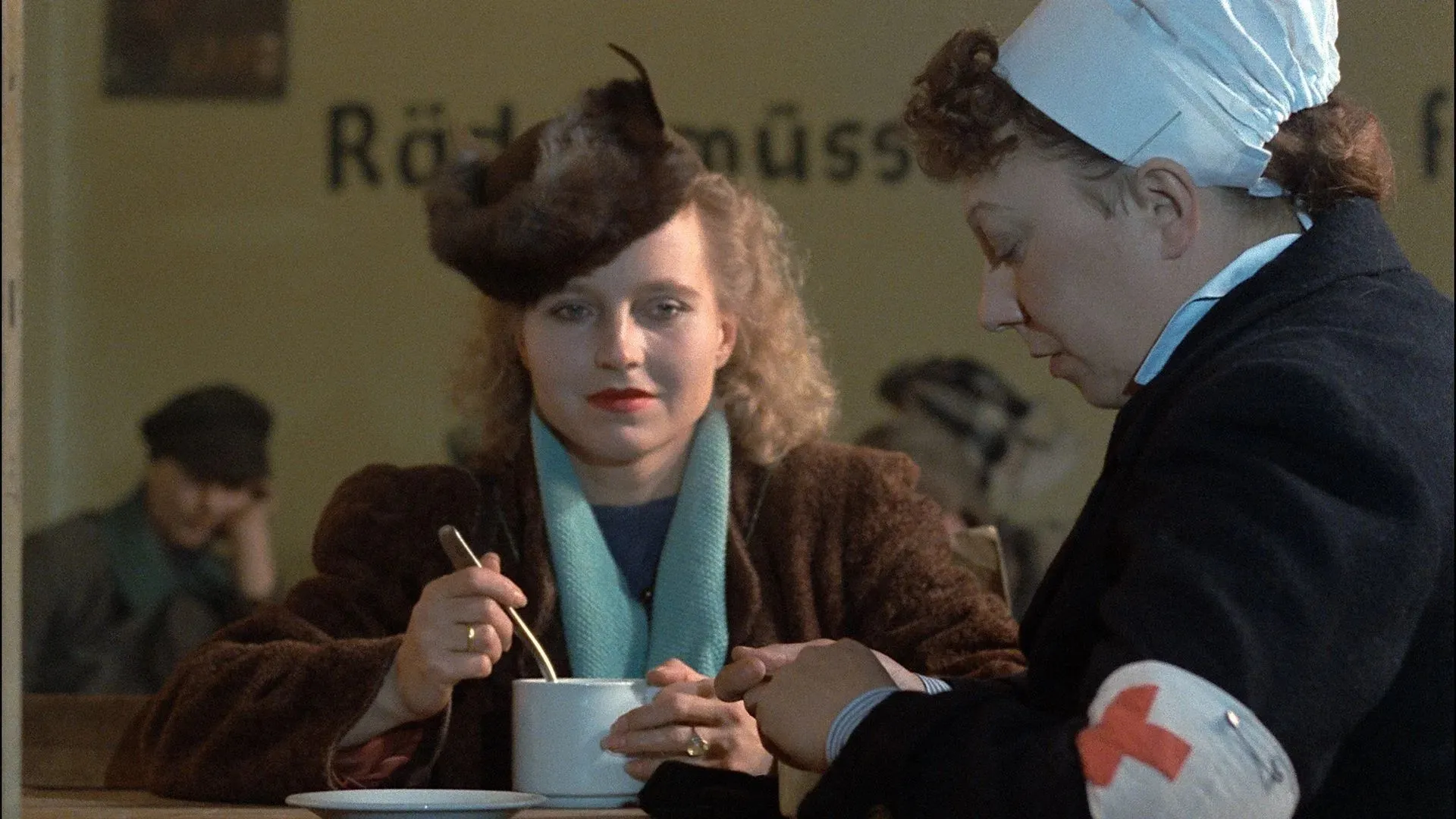
- The Marriage of Maria Braun (1979) by Rainer Werner Fassbinder uses the life of one woman as a powerful allegory for the rebuilding of West Germany. It tells the story of a resilient woman forced to survive on her own after her husband goes missing at the front. She eventually rises to become a wealthy yet cold businesswoman—her labor and her very being exhausted by the burden of national reconstruction, a contribution that mainstream history has failed to acknowledge.
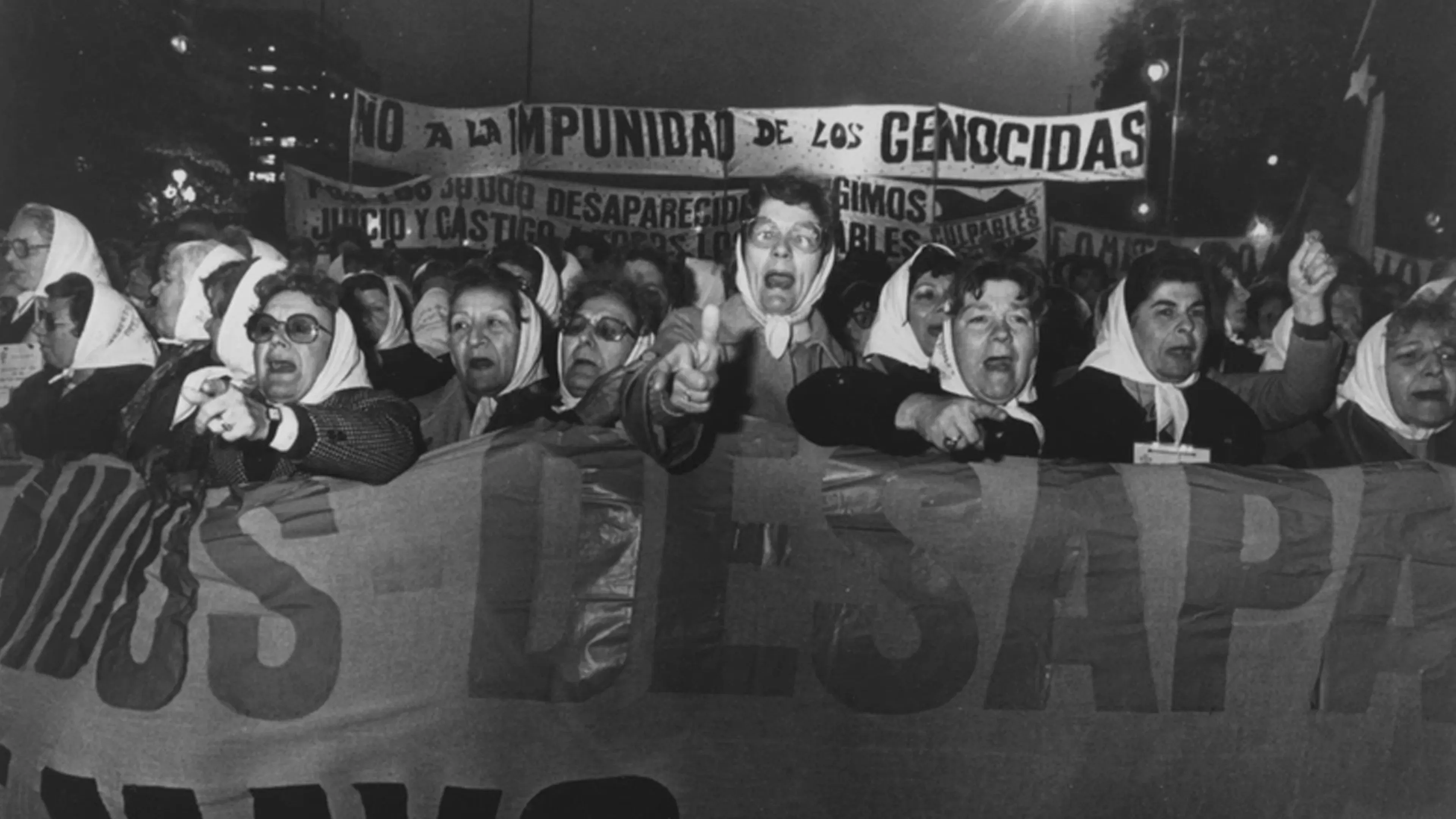
- Las Madres: The Mothers of the Plaza de Mayo (1985) by Susana Blaustein Muñoz and Lourdes Portillo, documents the courageous struggle of mothers whose children 'disappeared' during a brutal military dictatorship. Recognized by their iconic white headscarves, these women marched in protest every week, defying constant intimidation and the terrifying risk of being 'disappeared' themselves.
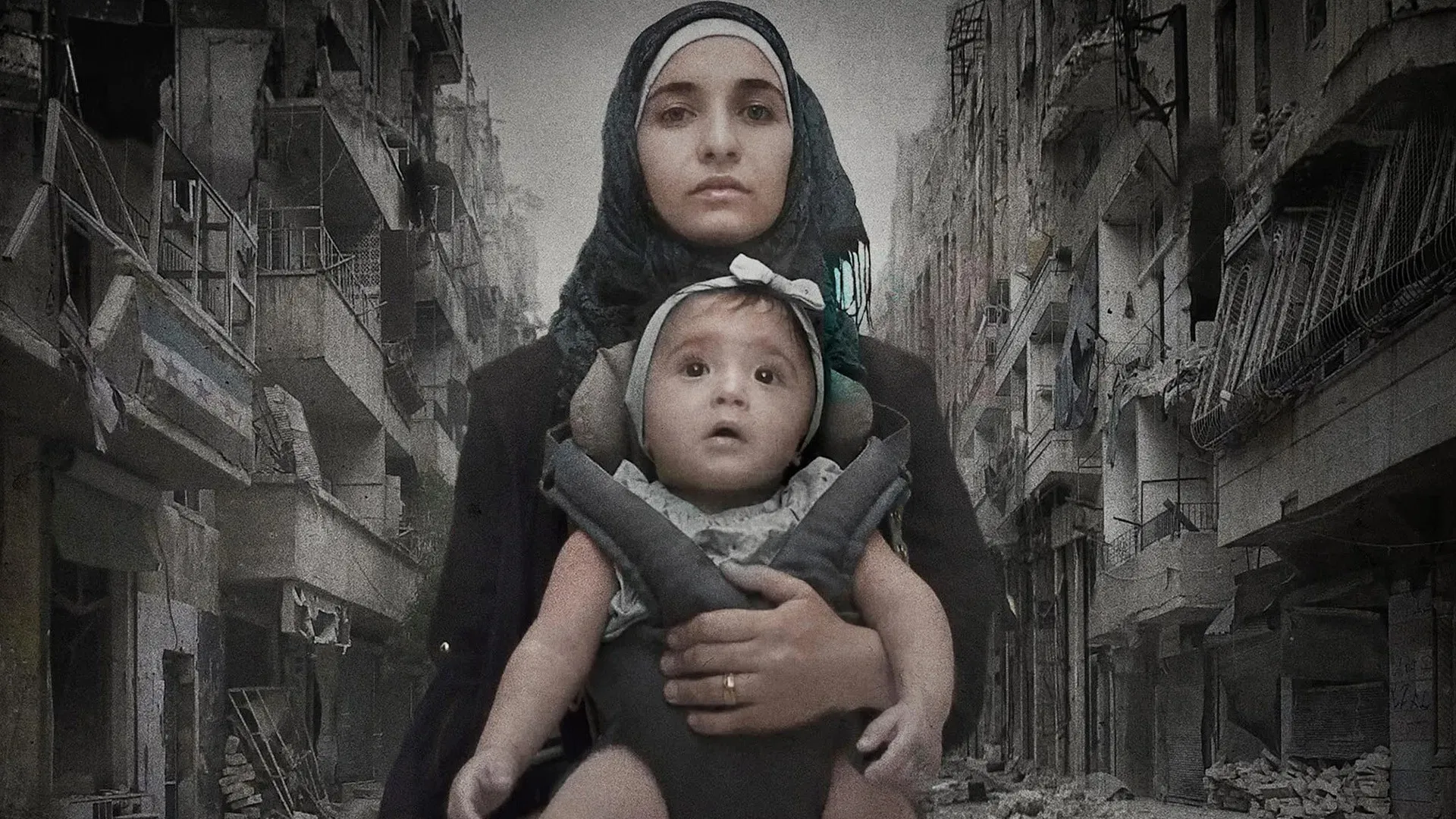
- For Sama (2019) by Waad Al-Kateab is a powerful documentary in which a woman picks up the camera to tell her own story—as a mother raising a daughter amidst the relentless bombings of Aleppo. Every day of her life is driven by a single, haunting question: how can she protect her child in a place where death has become an ordinary part of existence?
Returning to Wounds, this short documentary serves as a vital sanctuary for the voices of ordinary women, those who must find a way to endure amidst an unending war. In the same year, Diak also directed Dad’s Lullaby, a feature-length documentary exploring the life of a veteran returning home with PTSD, and his wife, who is left to navigate his silence and aggression alone. Together, these two films act as two sides of the same coin: one side depicting the women waiting for loved ones who never return, and the other showing those whose loved ones did come back—but as men who were no longer the same.
This serves as profound evidence that war is not merely a grand event that begins and ends on the front lines. Instead, its most devastating battlefields follow the soldiers home, igniting a silent struggle within their own walls—a true conflict that the 'nation' has long chosen to ignore.
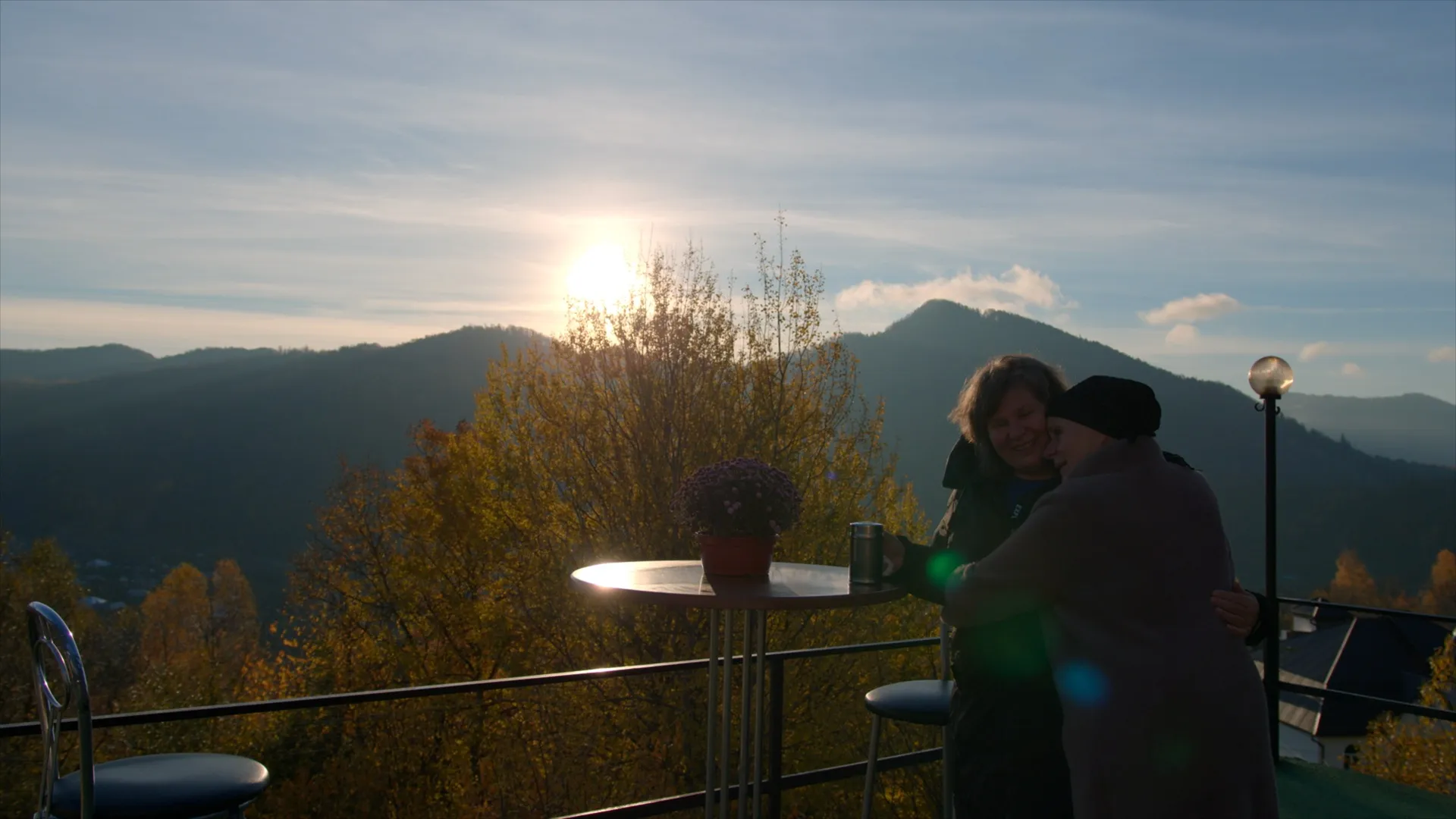
ภาพจากสารคดีเรื่อง Wounds บาดแผล