The political nature of the Academy Award for Best Documentary
Read 0
While the Oscars are primarily a domestic affair centered on the American film industry, the sheer scale and influence of Hollywood have transformed them into a global pinnacle for filmmakers worldwide. This is especially true for the Documentary category; an 'Oscar-winning' title serves as more than just an award—it is a global seal of approval, certifying both technical excellence and the profound credibility of its subject matter.
In reality, however, many scholars, critics, and industry insiders frequently question whether this category—which ideally should remain pure and untainted by outside influence—is, in fact, perpetually shaped by political undercurrents.
The most cited evidence today is the recent succession of Academy Awards handed to documentaries targeting the Kremlin. This started with the 2023 winner Navalny, documenting the investigation into the assassination attempt on Alexei Navalny, followed by 2024’s 20 Days in Mariupol, which captured the desperate final days of the AP news team under Russian siege. The trend reached a new peak in 2026 with Mr. Nobody Against Putin. This film follows a videographer in a remote Ural mountain town who risked everything to leak footage of the Russian government’s efforts to instill state propaganda and forced patriotism within elementary school classrooms.
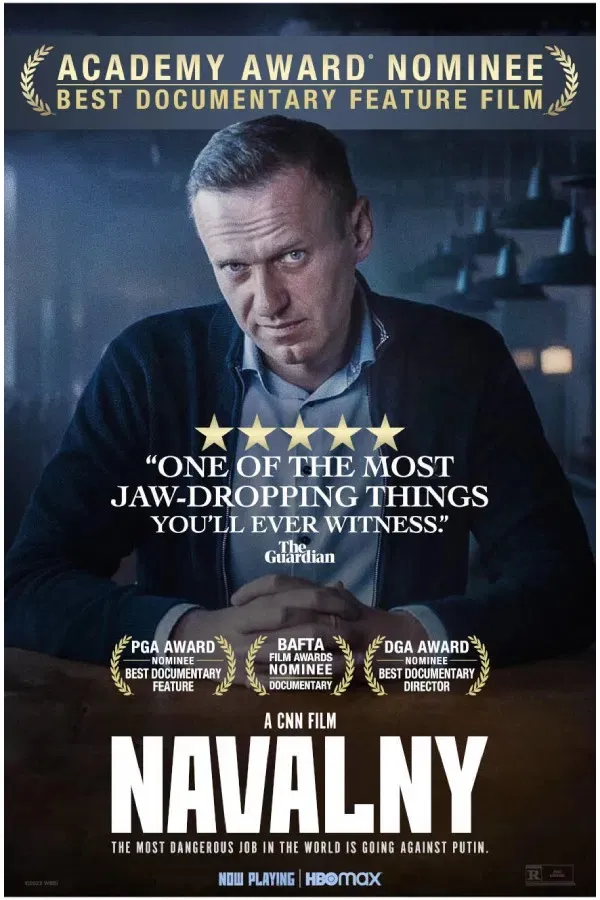
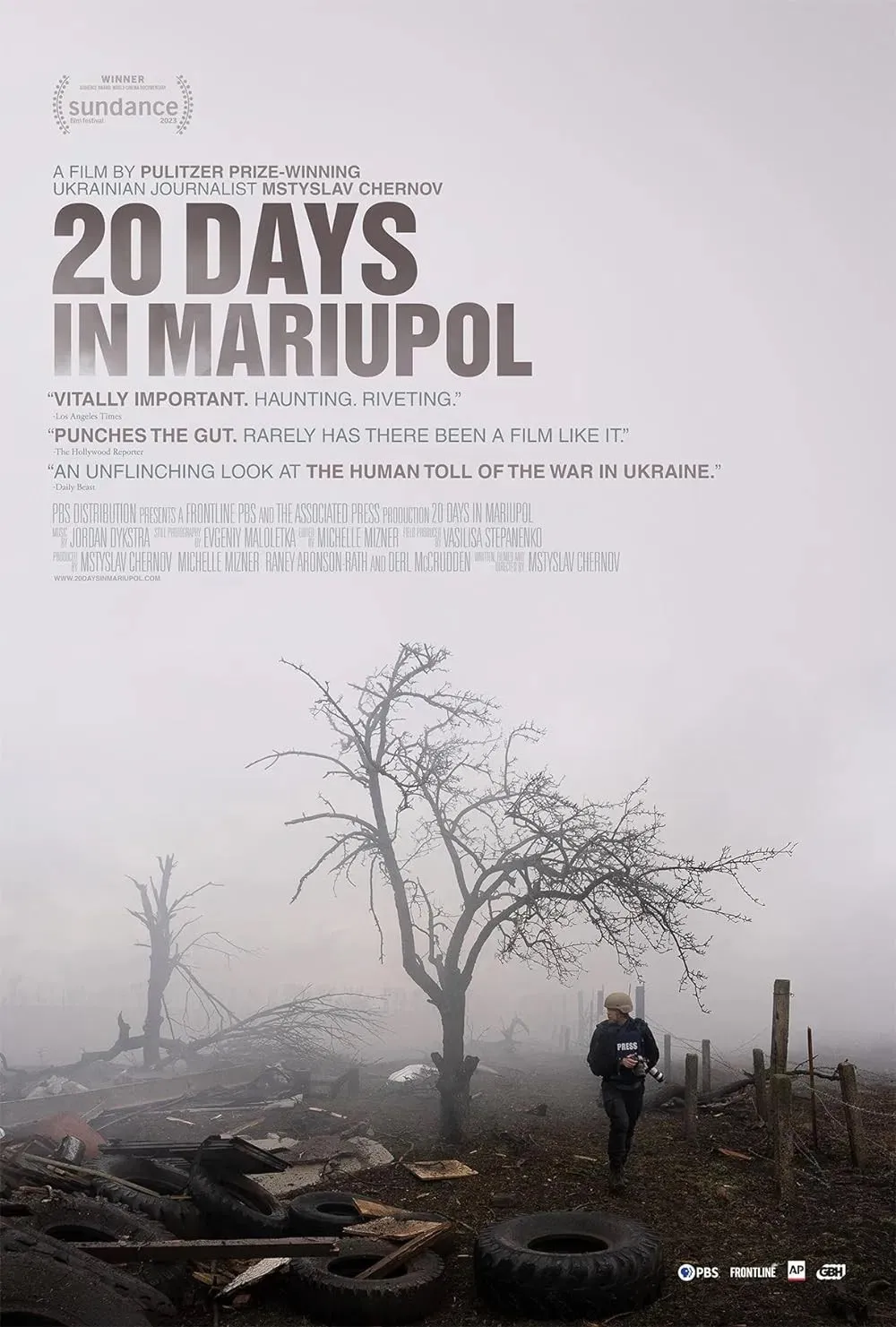
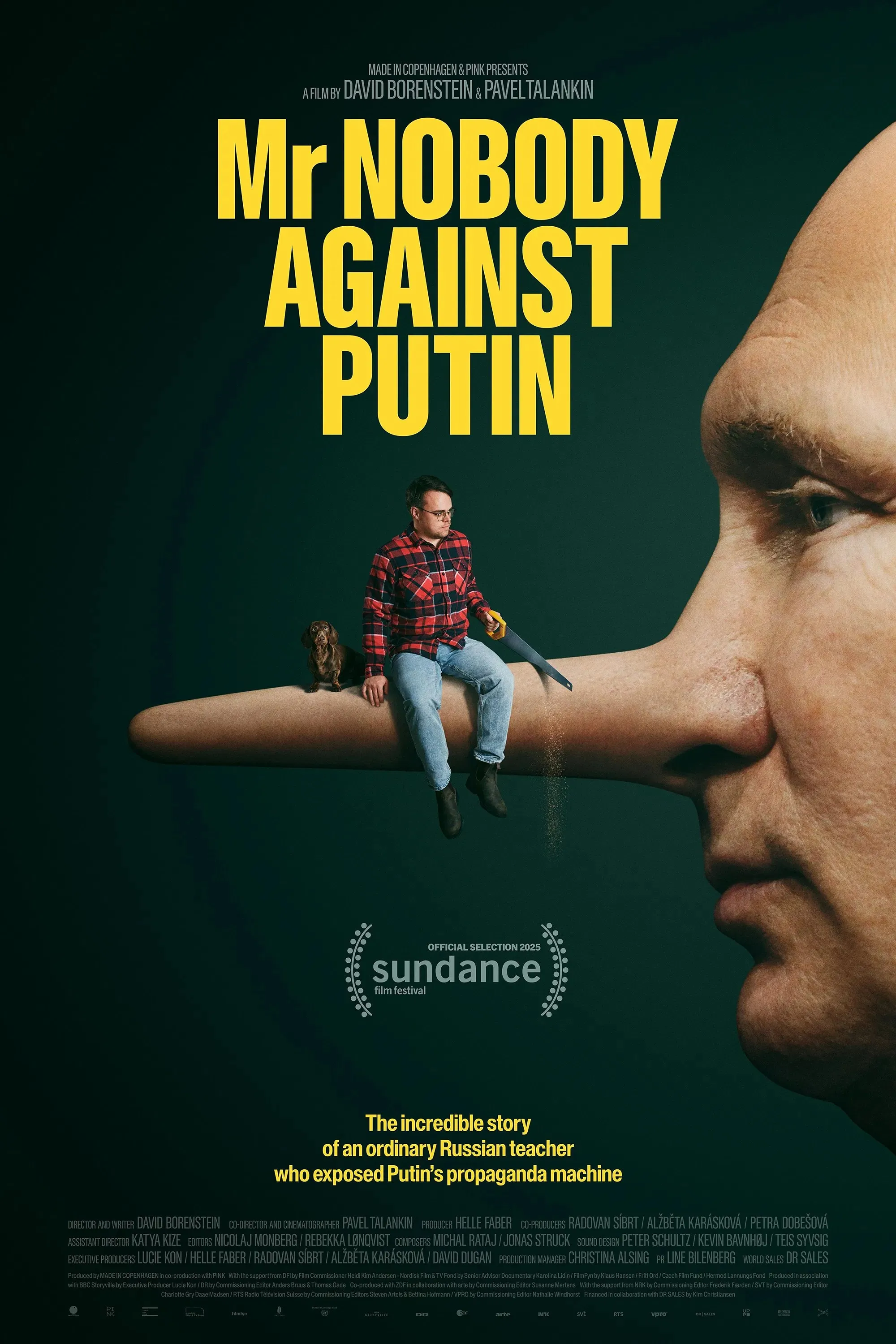
Such a repetitive streak inevitably raises questions about whether Oscar voters harbor underlying motives when casting their ballots. A look at the voting structure reveals that while the first two rounds of shortlisting are conducted exclusively by the Academy’s Documentary Branch, the final vote for the winner is open to the entire membership across all disciplines. This means the outcome is often swayed by the prevailing collective sentiment of the year, rather than being determined solely by those with expertise in the documentary craft.
Even if voters were to insist that politics play no part in their decisions, it does little to shield the awards from a cloud of controversy—especially when political stakeholders react so vehemently. Following the victory of Mr. Nobody Against Putin, Kremlin spokesperson Dmitry Peskov dismissively claimed he had 'never seen the film,' while state media scrubbed any mention of the Documentary category from their Oscar coverage. Within days, the Russian Human Rights Council escalated the matter by petitioning the Academy and UNESCO to investigate the documentary, alleging the unauthorized use of footage involving minors.
Even before that, the victory of Navalny sparked a polarized reaction. While it was a major win, it didn't sit well with everyone, including those who seemed like natural allies. In the TIME piece 'Why Some Ukrainians Aren't Happy With Navalny's Oscar Win,' Maria Popova of McGill University explained that for many Ukrainians, the Oscar felt like 'political whitewashing.' Their concern stems from Navalny’s complex history; although he denounced the invasion, his earlier nationalist rhetoric and his ambiguous stance on Crimea’s sovereignty are issues that Ukrainians simply cannot overlook.
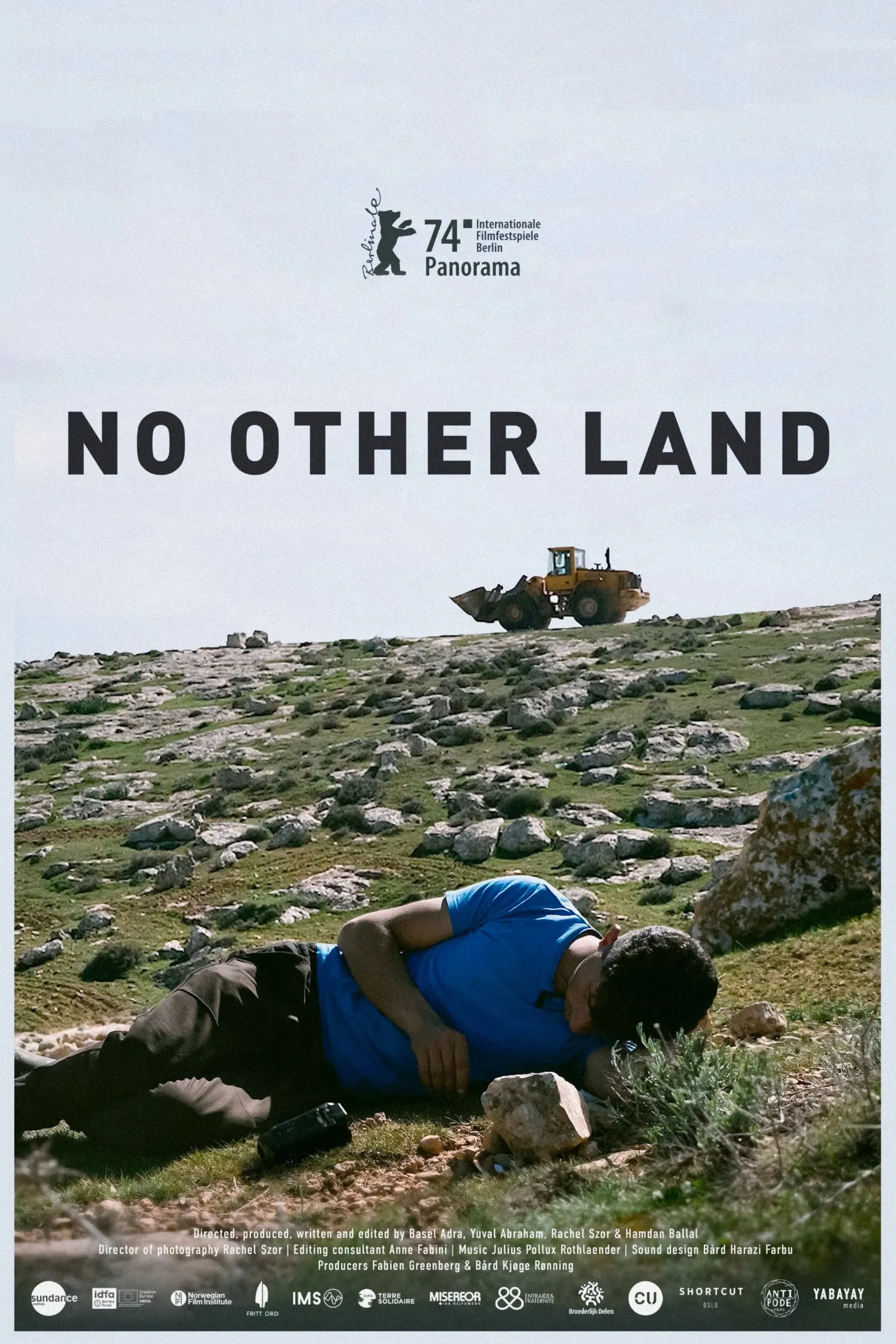
Another case explicitly tied to political controversy is No Other Land (2025), a documentary chronicling the destruction of Palestinian villages in Masafer Yatta by the Israeli military. Its Oscar win sparked an immediate backlash from pro-Israel critics, such as Golan Ramraz and Guy Goldstein. In their article for The Wrap, titled 'When Documentaries Become Propaganda: The Case for Rescinding the No Other Land Oscar,' they attacked the film as propaganda that distorts historical and geographical facts, going as far as to demand that the Academy rescind the award.
On the other hand, the Academy’s own political nature is undeniable. This was starkly evident in the aftermath of No Other Land’s victory. Just three weeks after receiving the award, co-director Hamdan Ballal was assaulted by Israeli settlers and soldiers. In response, over 800 filmmakers worldwide signed an open letter urging the Academy to stand up for the very artist they had just honored. However, the Academy’s reaction was perceived as incredibly feeble—a vague statement that failed to name the perpetrators or address the source of the violence.
Ultimately, these events make it clear that the significance of this award extends far beyond the documentary community. Given its immense symbolic weight on the global stage, the Oscar has become a contested space where different ideologies collide. It is, therefore, hardly surprising that the award's 'political nature' remains a subject of persistent scrutiny and debate.