Slums: The Culture in the Shadow of Skyscrapers and the Stories Society Forgot
Read 0
Through a Distorted Lens: When Prejudice Builds a Wall Taller Than Concrete
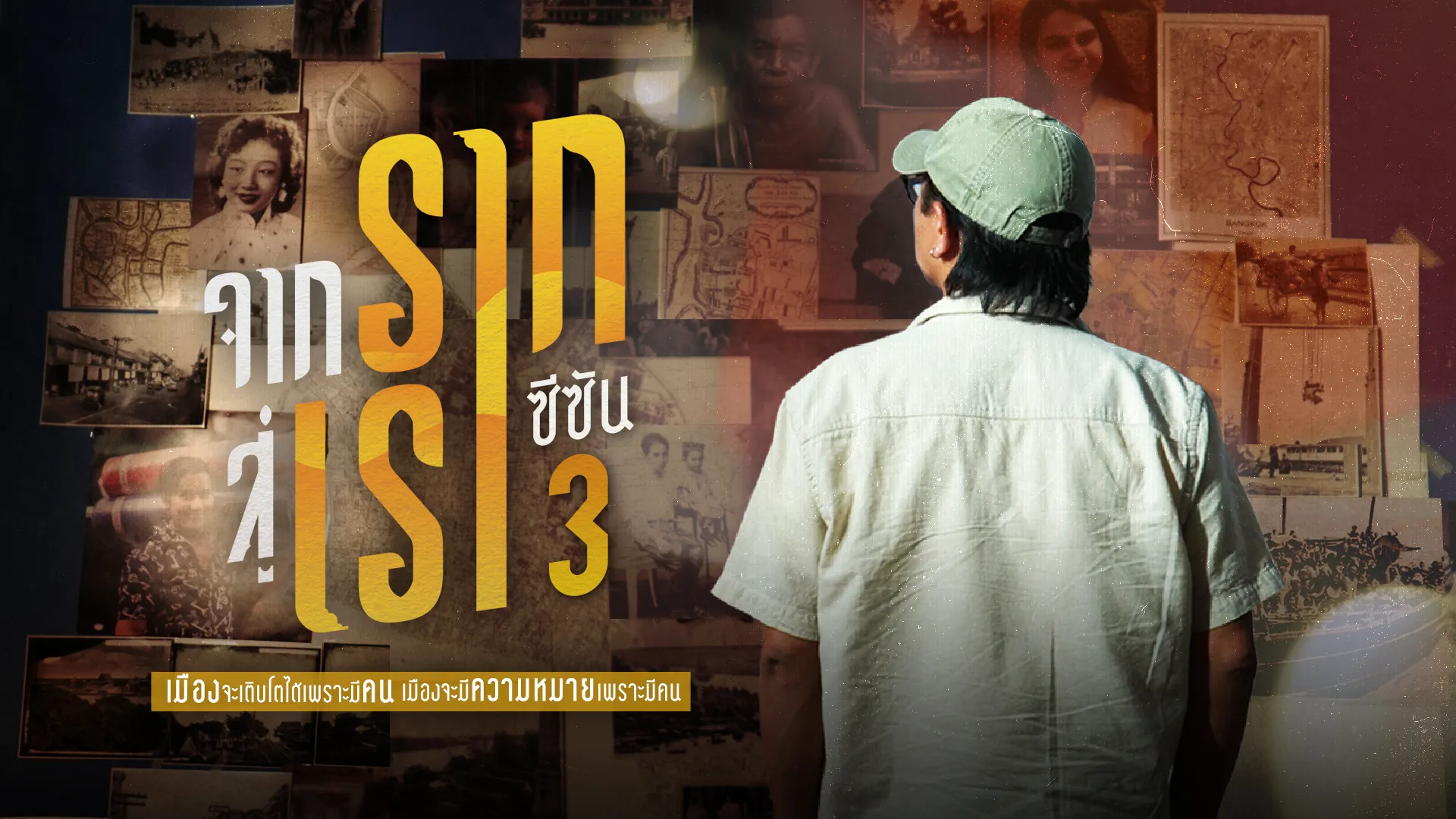
Slums are routinely clouded by prejudice, deeply tied to stereotypes of crime and degradation. Yet, the documentary 'From Roots to Us' urges us to look past these lenses to see a deeper truth: slums are not created by human negligence, but by the relentless march of urbanization. Far from being just shelters for the underprivileged, these neighborhoods are hubs of adaptation, where communities share a common destiny on the borderlines of progress.
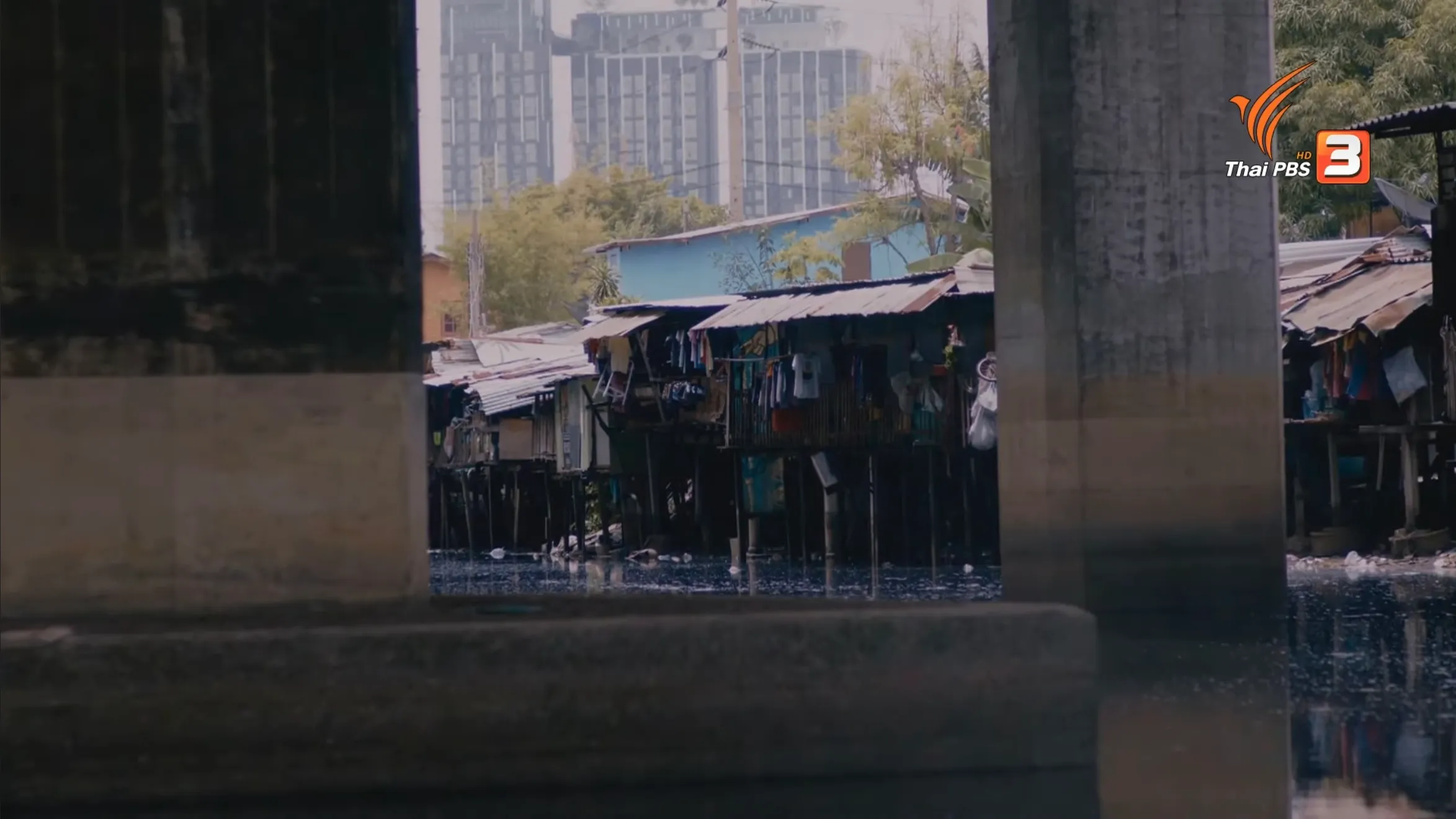
ภาพจากสารคดี จากรากสู่เรา
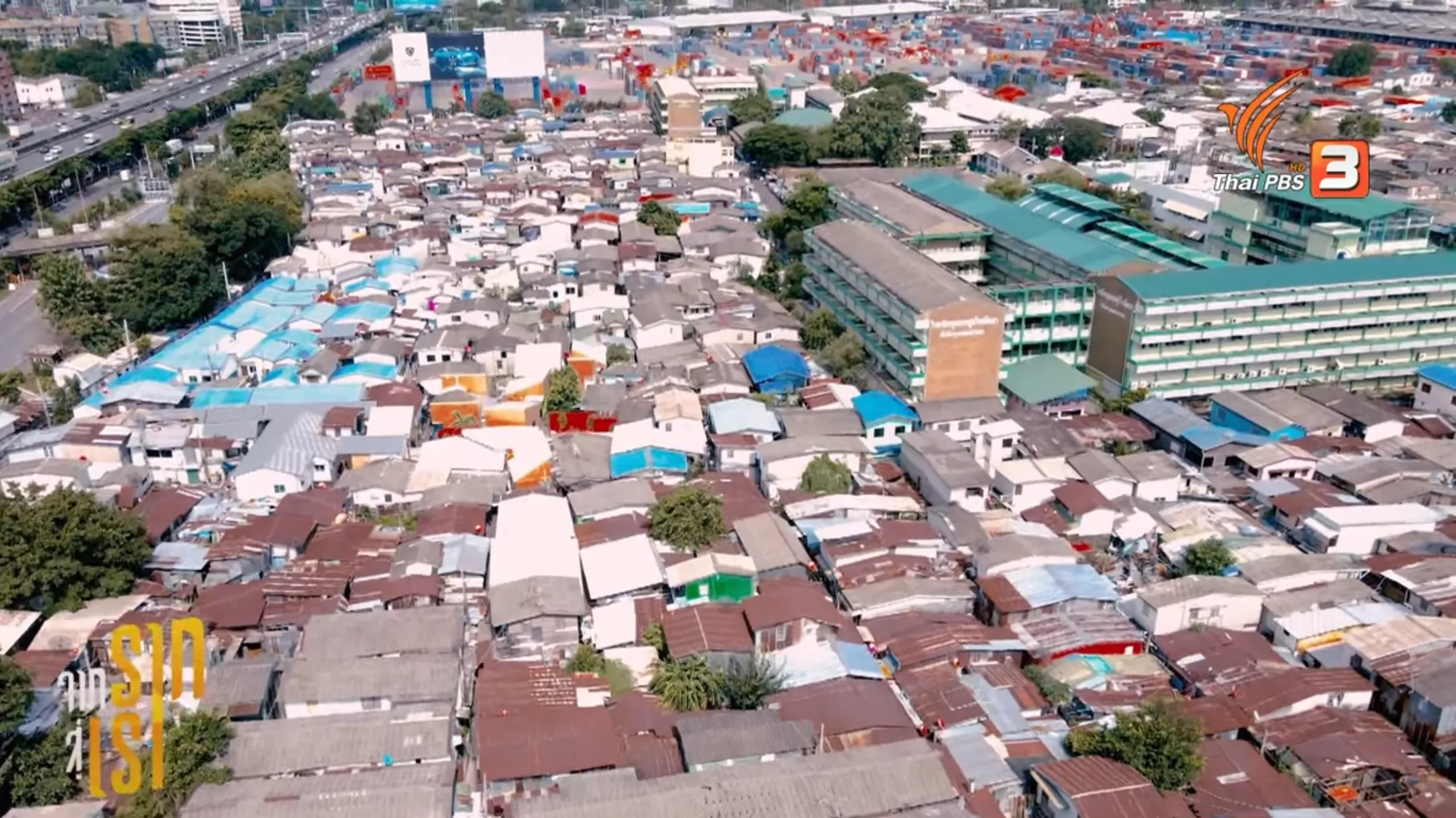
ภาพจากสารคดี จากรากสู่เรา
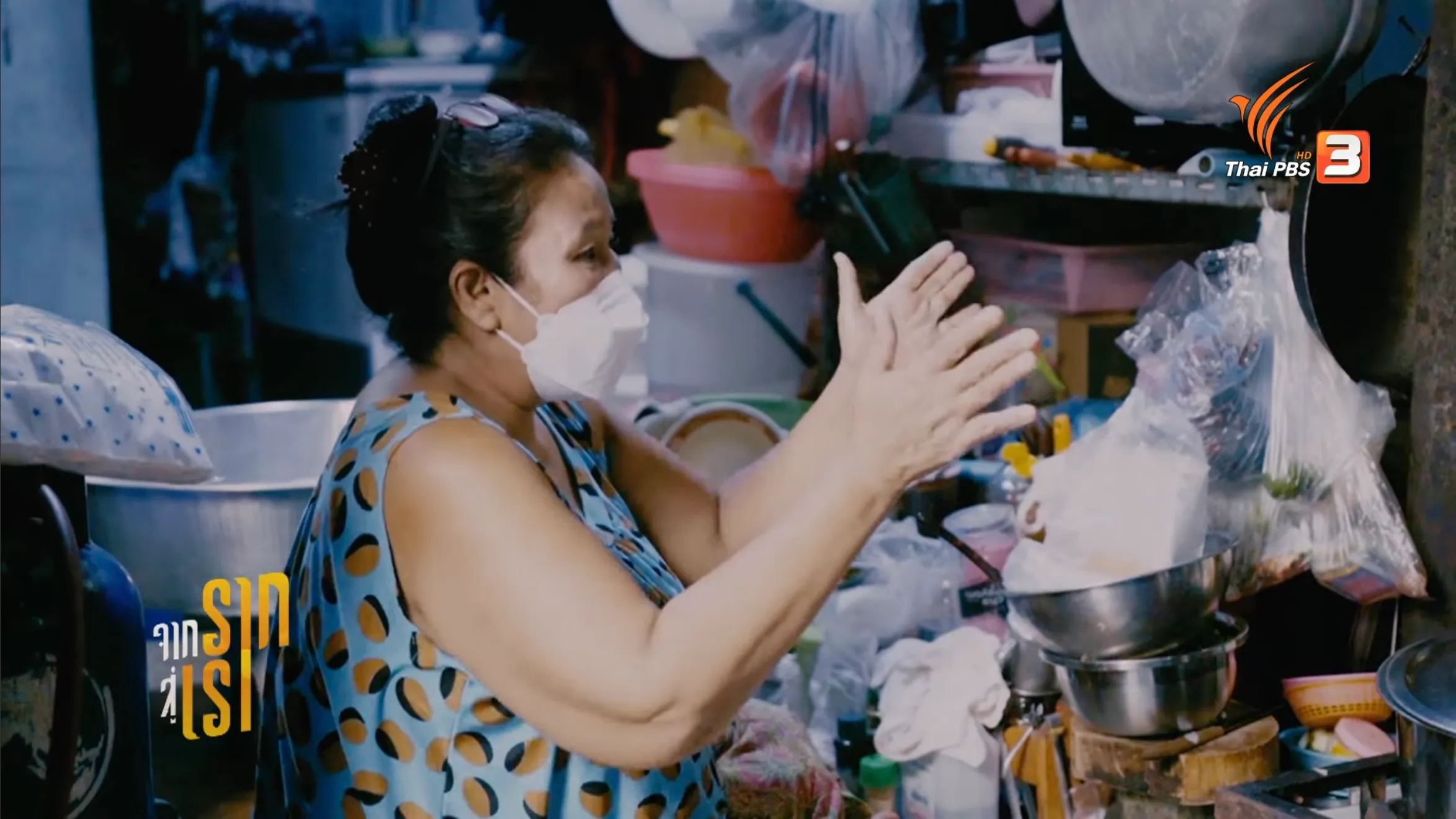
ภาพจากสารคดี จากรากสู่เรา
The Cycle of Reproduction: The 'Squatters' Supporting the Entire Economy
This documentary prompts us to rethink what a city truly means and how the state governs it. Branding these communities as 'intruders'—while their low-cost labor serves as the very engine keeping the city running—exposes a deep structural flaw in public housing. It reveals how, on the government’s roadmap to progress, the livelihoods of everyday people are routinely erased, all to ensure that massive infrastructure projects appear as a flawless success.
The Power of Underprivileged Culture: The Hidden Resilience
The culture of the urban poor represents resilience, not weakness; it is a vital strategy for survival. Slums are communities rich in social capital, where networks of mutual aid act as a protective armor in a cutthroat world. Embracing a new lens—one that reveals their dreams and memories are no different from those of any other city dweller—is the very turning point needed to rethink urban justice. It challenges us to look past the stigma of 'urban decay' and see these places for what they truly are: spaces filled with a living, breathing spirit.
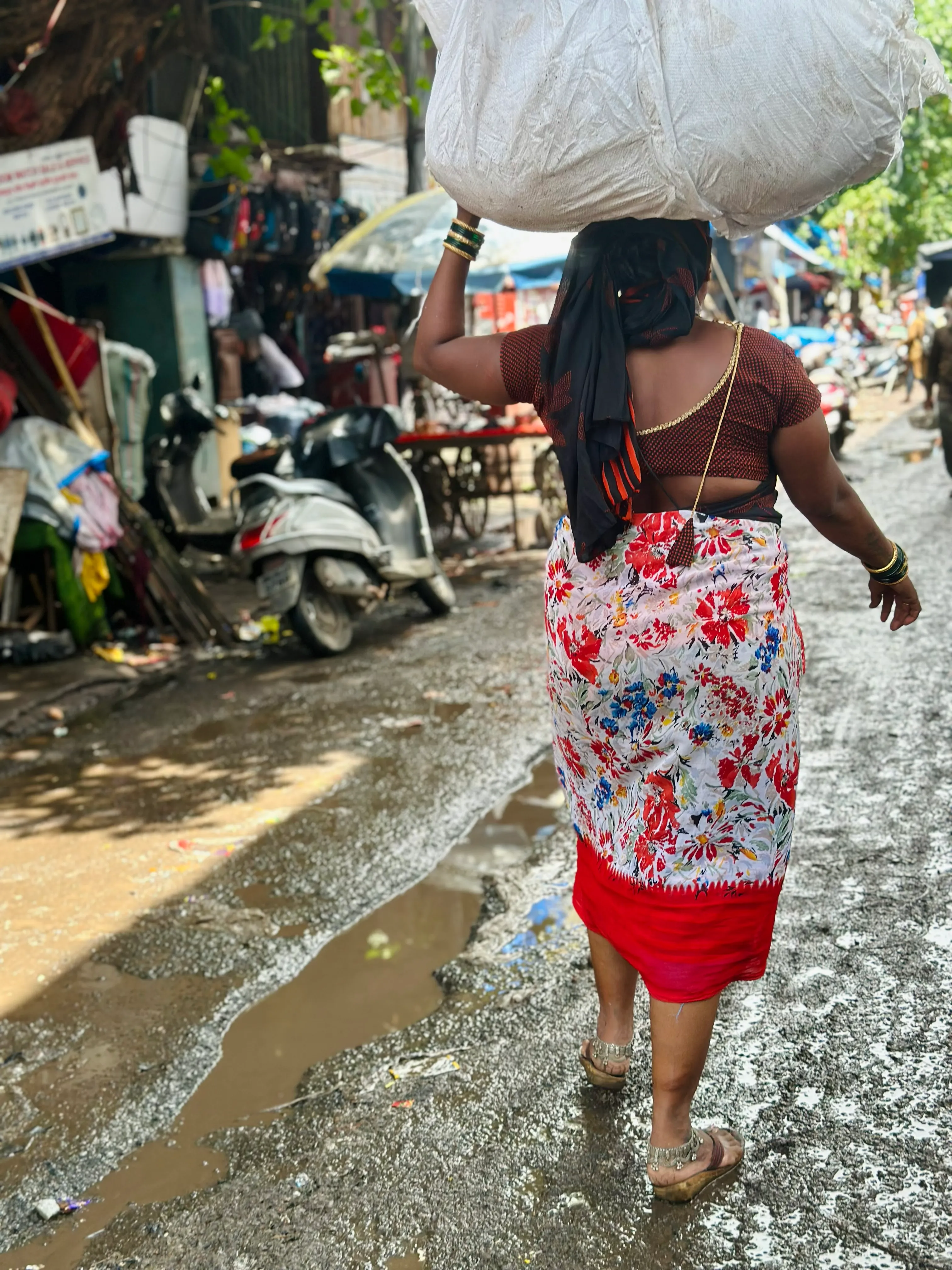
ภาพสลัมมุมไบ โดย บอส หลงอินเดีย
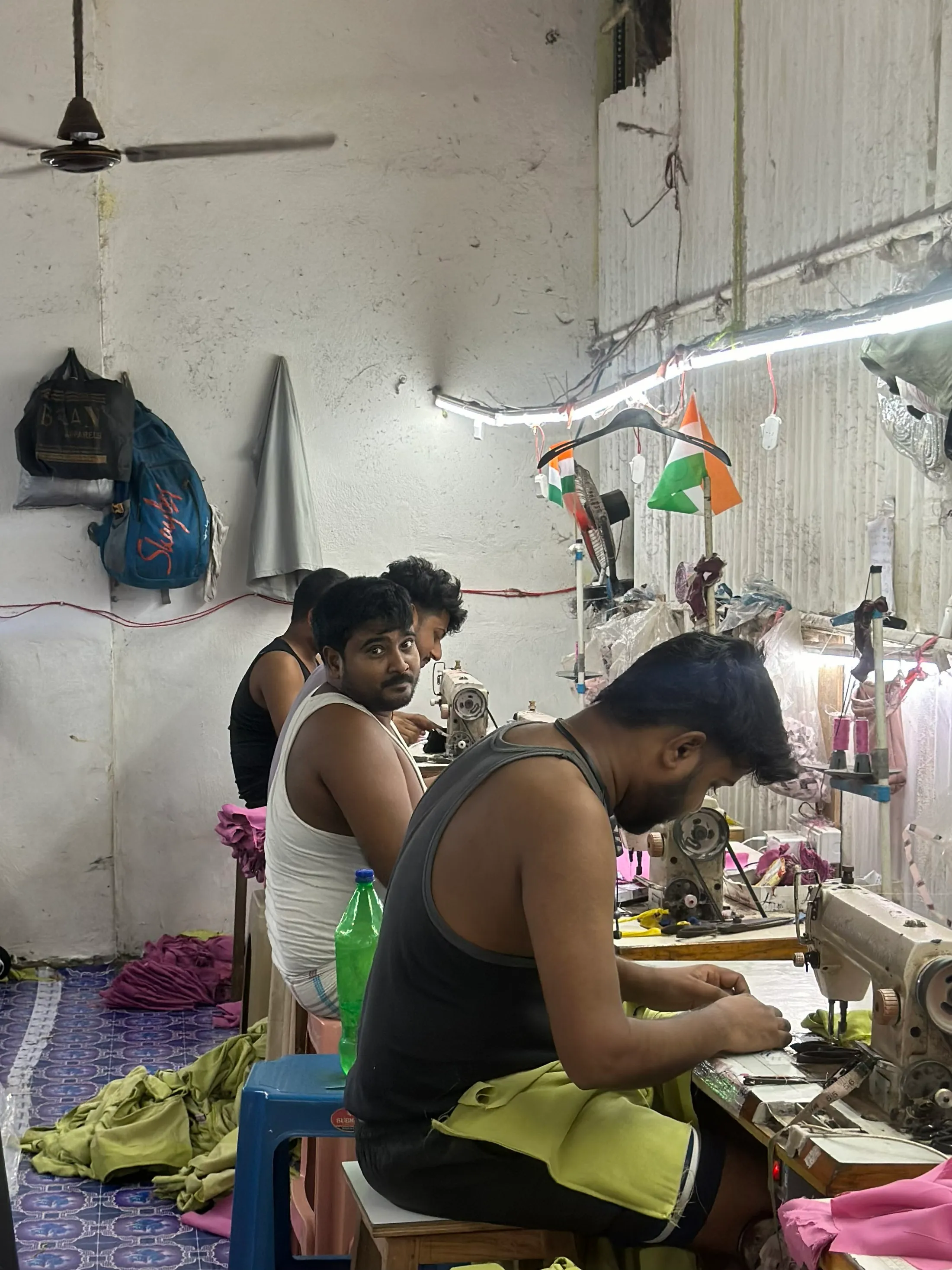
ภาพสลัมมุมไบ โดย บอส หลงอินเดีย
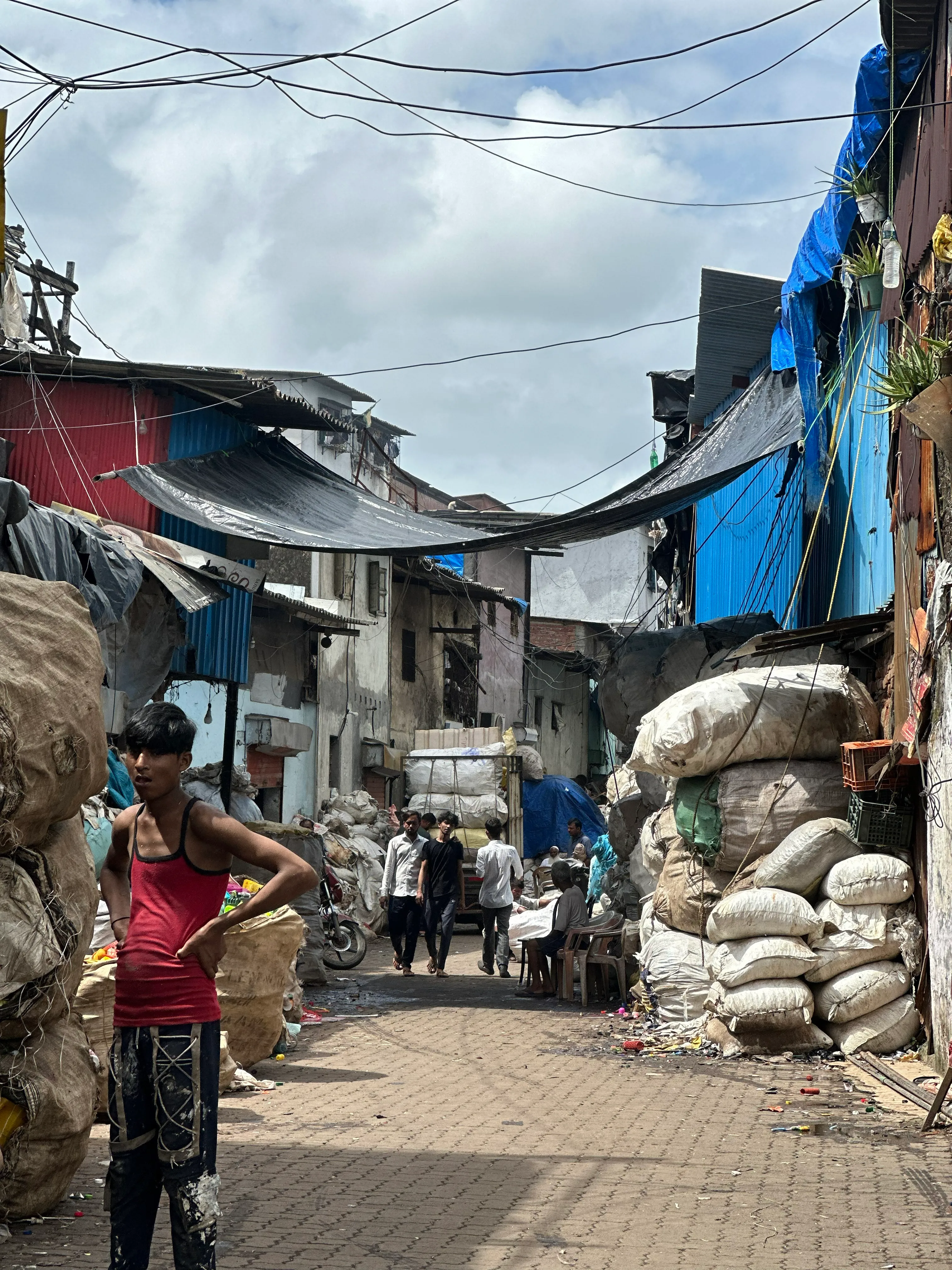
ภาพสลัมมุมไบ โดย บอส หลงอินเดีย
A Mirror from Khlong Toei to Dharavi: Lessons from Mumbai
Drawing a parallel with Mumbai's Dharavi reveals a profound truth: both are vibrant 'cities within cities' that fuel massive economies through recycling, craftsmanship, and local enterprise. The defining difference, however, is political legitimacy. While Dharavi is celebrated globally as a rising 'alternative economic hub,' Thai informal settlements remain bound by the chains of eviction. This juxtaposition warns us that if we persist in viewing slums as 'blights to remove' rather than 'grassroots pillars to empower,' we are merely building prosperity on the fragility of human lives, missing a priceless opportunity to shape a city that belongs to everyone.
Conclusion: A city without shadows is a city without a heart.
These neighborhoods are the undeniable evidence of an inequality that the metropolis continuously sweeps under the carpet. The dreams of the vulnerable, forced onto the margins of urban life, are not a tragedy of destiny—they are the design of a social structure we have all co-authored. Any urban progress bought with evictions and the banishment of the poor is a false victory for sustainability. In truth, it severs the very roots that allow the city to breathe.
Has the time not come for us to stop asking, 'How can we eliminate slums from our cities?' and instead ask, 'How can we build a city that embraces everyone and allows them to live with dignity?' As long as a city expands by exploiting the vulnerability of our fellow humans, it remains nothing more than a cluster of high-rises without foundations—a space entirely devoid of true urban justice.
About Author

บอส หลงอินเดีย
นักเขียนผู้รักประวัติศาสตร์และความแตกต่าง ที่หลงใหลการเดินทางและการจดบันทึก เพื่อเข้าใจความคิดผู้คนต่างวัฒนธรรม