One of the standout documentaries at the 2026 Cannes Film Festival
Read 0
In mid-May, acclaimed American director Steven Soderbergh shocked audiences during a stage appearance in Cannes when he revealed that his documentary John Lennon: The Last Interview used AI to help generate certain visual sequences.
The film is built around an interview with John Lennon and Yoko Ono recorded in New York shortly before Lennon’s death. Soderbergh re-edited nearly three hours of footage, combining it with archival material and using AI to recreate visuals for moments where no original footage existed.
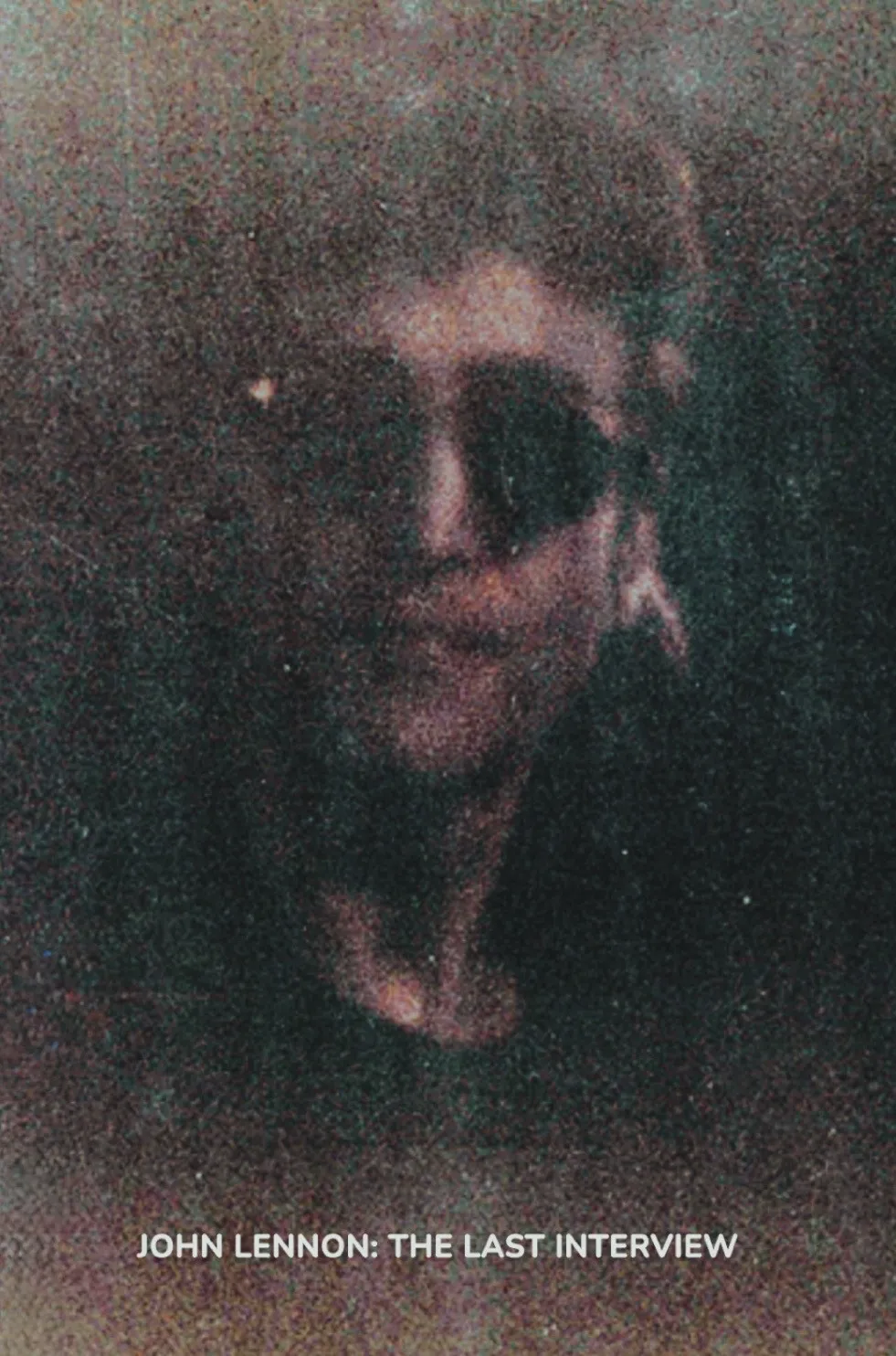
ภาพจากสารคดี John Lennon: The Last Interview
Of course, after Steven Soderbergh made the revelation, both he and the film immediately became targets of intense criticism, to the point of being described as a major scandal. However, there is no need to panic that the documentary world is facing a crisis. In reality, John Lennon: The Last Interview was just one of around 17 documentaries screened across various sections of this year’s Cannes Film Festival.
Among them, there were five films that particularly caught our attention, generated strong discussion, received praise, or won awards, and we would like to introduce them here.
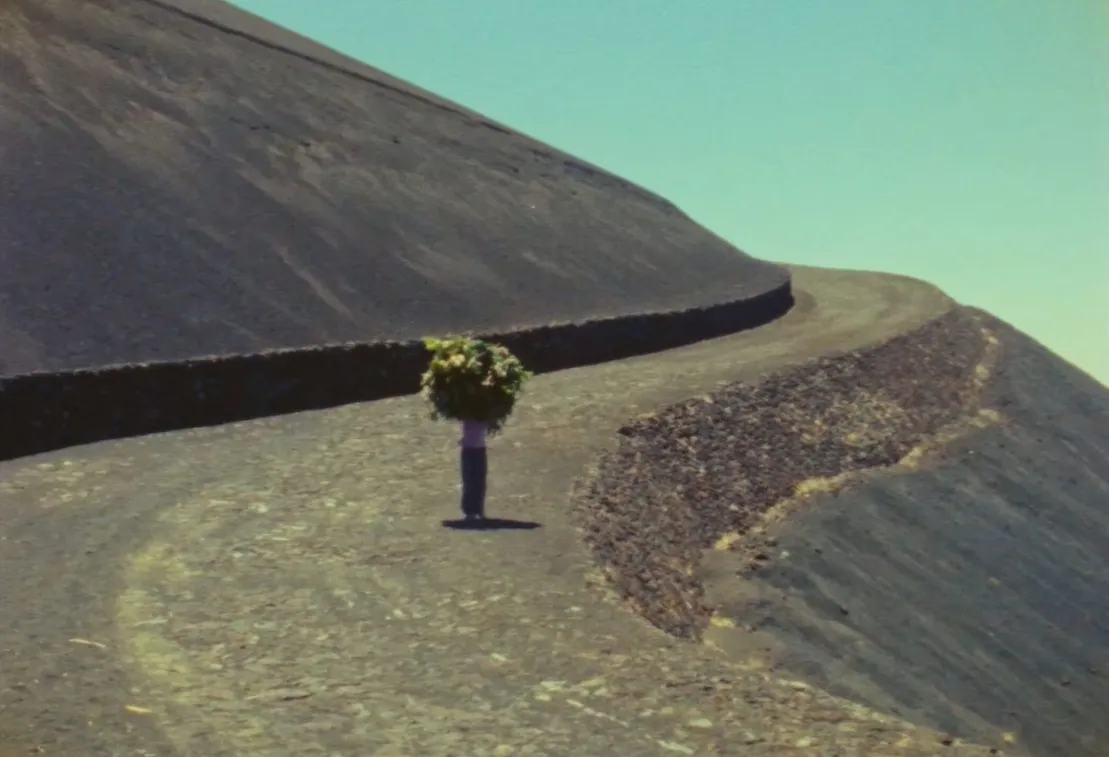
ภาพจากสารคดี The Story of Documentary Film (The 1970s)
The first — and personally the one the writer most wants to see — is The Story of Documentary Film (The 1970s) by Mark Cousins, the British filmmaker and film historian. The documentary is the latest installment in his ongoing cinematic history series following The Story of Film. It pairs remarkably well with John Lennon: The Last Interview, because while one film looks back at how documentary cinema has evolved over several decades, the other demonstrates the boldness of embracing new technology in ways no major director has attempted before. For documentary lovers, the two films together could spark fascinating conversations.
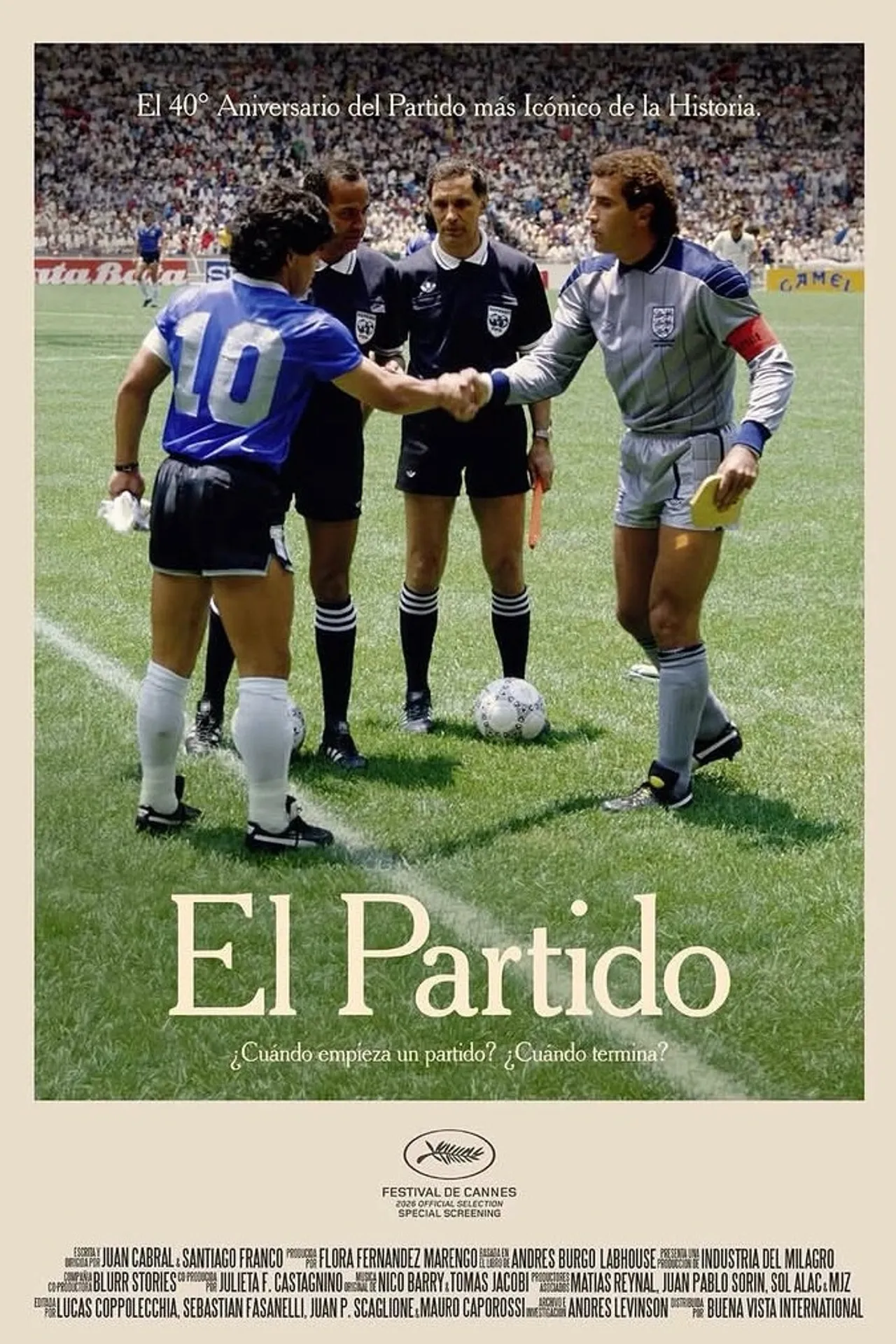
ภาพจากสารคดี The Match
Another film that received heavy media attention was The Match by Juan Cabral and Santiago Franco, two Argentine directors who reconstruct the 1986 FIFA World Cup quarter-final match between Argentina and England — the very game in which Diego Maradona created the legend of the “Hand of God.” What makes the documentary especially compelling is that it does not present the match purely as a sporting event, but connects it to the context of the Falklands War and the long history of tensions between the two nations. Variety described it as an extremely captivating football documentary.
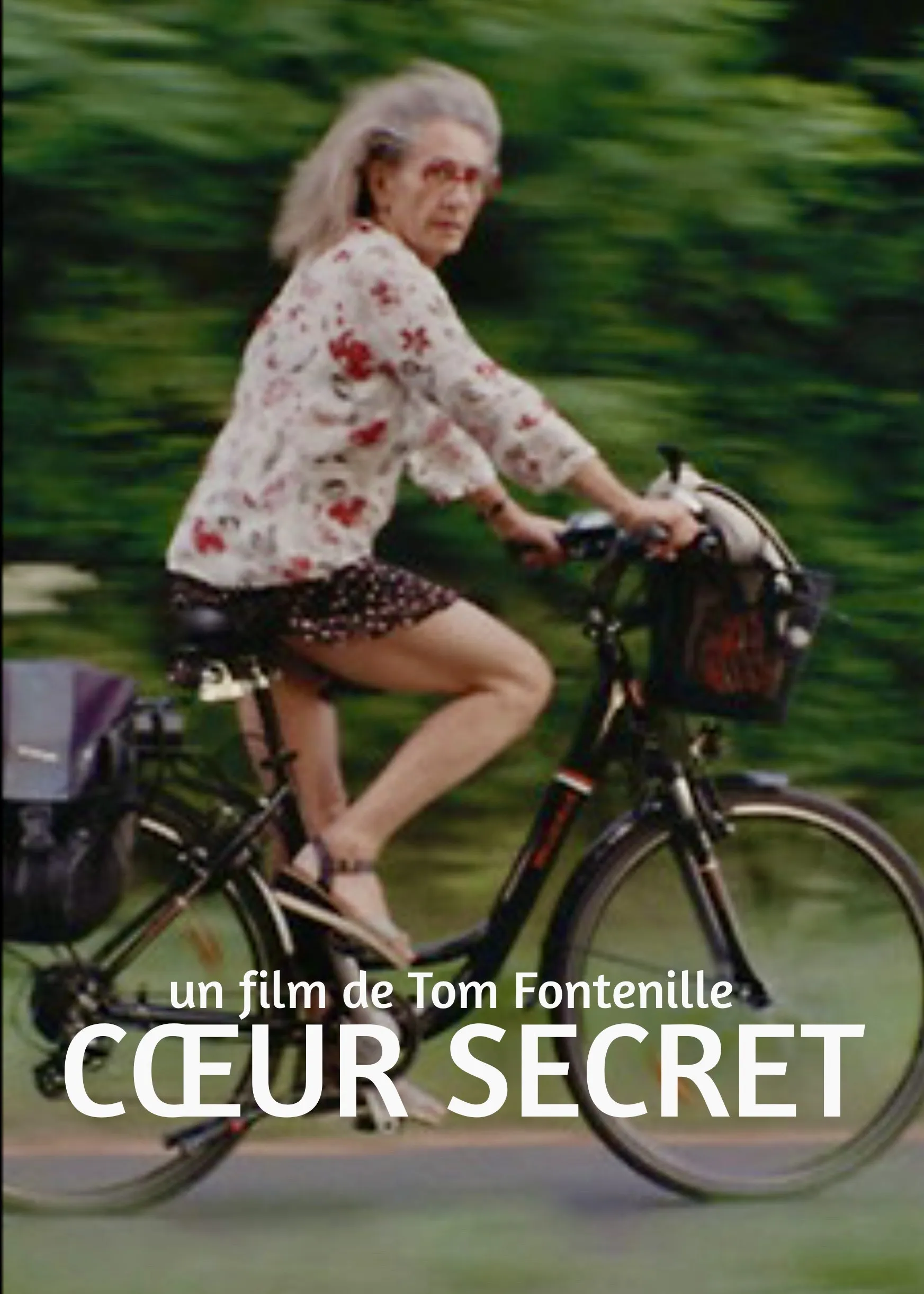
ภาพจากสารคดี A Secret Heart
Meanwhile, in the ACID section — a parallel program to the main festival dedicated to independent cinema — this year featured two especially promising biographical documentaries in which filmmakers turned the camera toward people close to them.
The first is A Secret Heart by Tom Fontainey, a French director who spent four years filming his own father during a period of major personal transformation, as his father chose to reinvent himself as “Grandma Lilou” following the death of the filmmaker’s mother. What is remarkable is how the director’s position as a son allowed him to bring the camera extraordinarily close to his father, while the father himself openly revealed this important transition in front of his own child without holding anything back.
ภาพจากสารคดี Dans la Gueule de l'Ogre
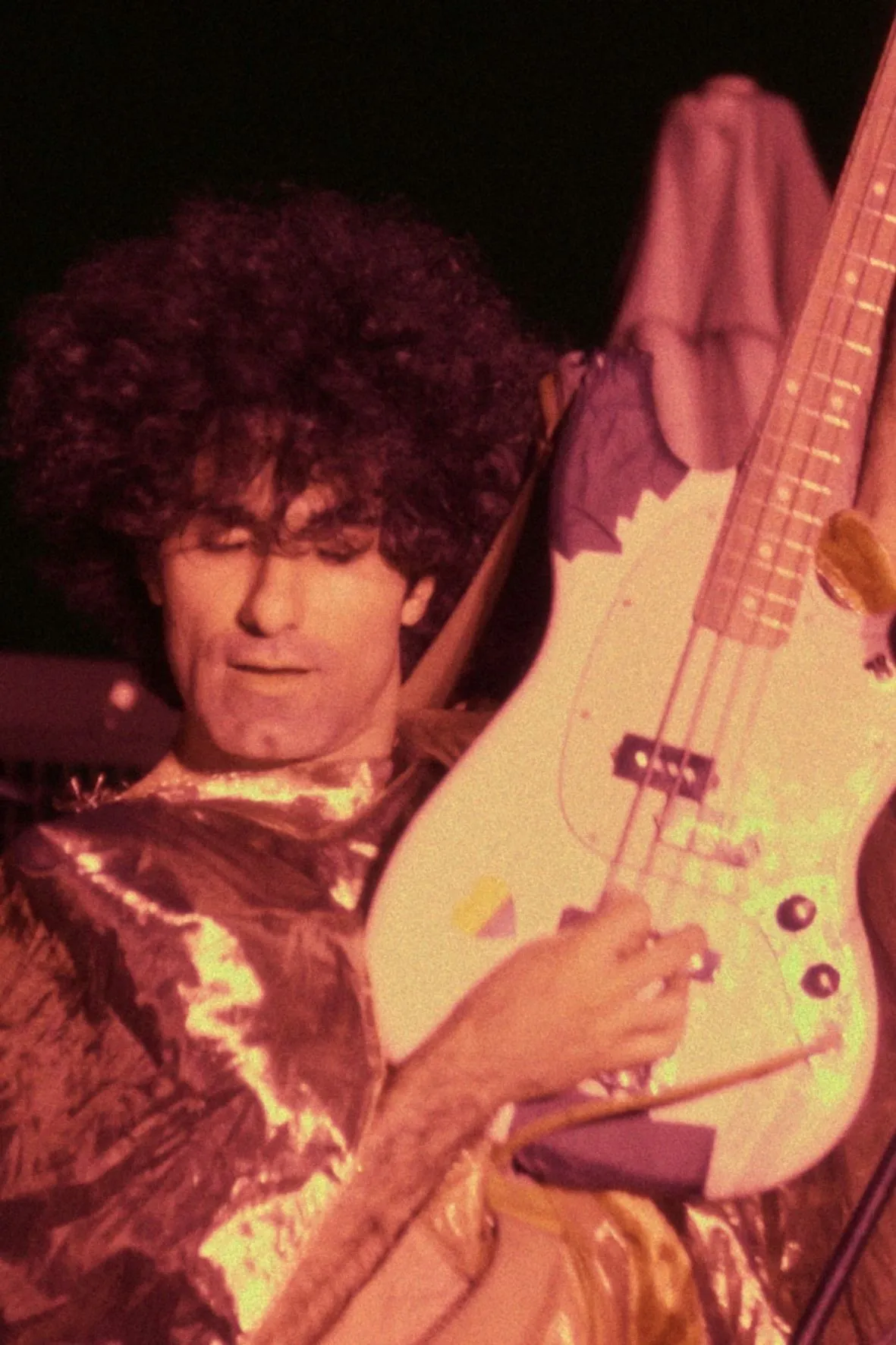
Another title is Dans la Gueule de l’Ogre by Mahsa Karampour, an Iranian-French female director who travels to New York in search of her brother, a former Iranian rock band frontman who fled the country and has lived there in exile since 2010. The siblings had not seen each other for more than a decade. Their search, reunion, and attempts to bridge the years of absence through conversation are documented in a way that seamlessly intertwines the personal and the political.
ภาพจากสารคดี Groundswell
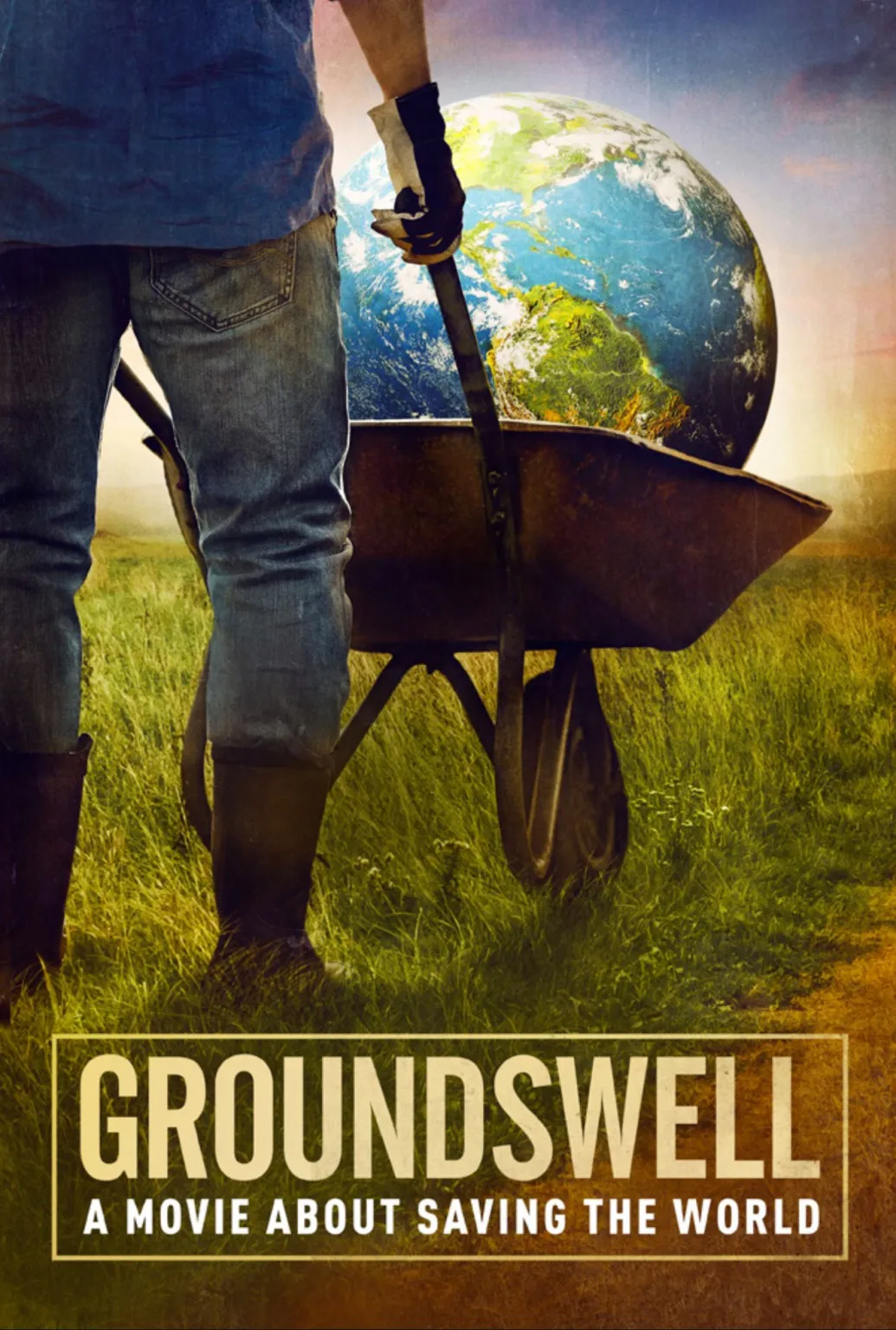
Finally, there is Groundswell by Josh Tickell and Rebecca Harrell Tickell, the American sibling directing duo who won the Golden Globes Prize for Documentary. The film — the concluding chapter of a trilogy that began with Kiss the Ground in 2020 and continued with Common Ground in 2023 — took ten years to make. It follows regenerative agriculture movements across five continents through the perspectives of academics, Indigenous leaders, and farmers, exploring how these agricultural practices can capture carbon, increase biodiversity, and transform the lives of farming communities in many countries.
During the award ceremony, the jury praised the sibling filmmakers for creating a work filled with dedication and for inspiring audiences through “practical, tangible solutions” — something deeply important in a world overwhelmed by countless crises, to the point that many people are beginning to lose hope altogether.