5 Hottest Documentaries in Early 2026
Read 0
Even though less than half the year has passed, the global documentary film industry is so energetic. Many major film festivals have taken place, and numerous outstanding works have begun touring to generate buzz and scoop up awards. In this article, we have selected 5 films to recommend to you.
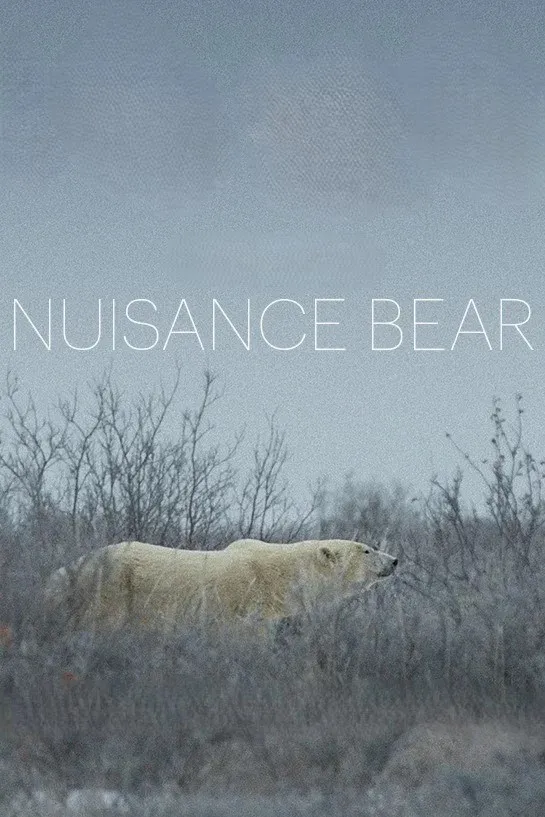
Starting with Nuisance Bear, a documentary by Jack Weisman and Gabriela Osio Vanden. It was filmed in Churchill, Manitoba, Canada, which is an area where the annual migration route of polar bears has crossed since long before humans came to settle. But humans, who arrived later, ultimately branded the bears as a "nuisance", leading to confrontations between the two species.
Most of us might be familiar with images of cute and fluffy polar bears, but this documentary presents them in a completely different light. With a thrilling style, it almost becomes an action-suspense film. At the same time, both the cinematography and the musical score are so exquisite that the film rightfully won the Grand Jury Prize at the Sundance Film Festival.
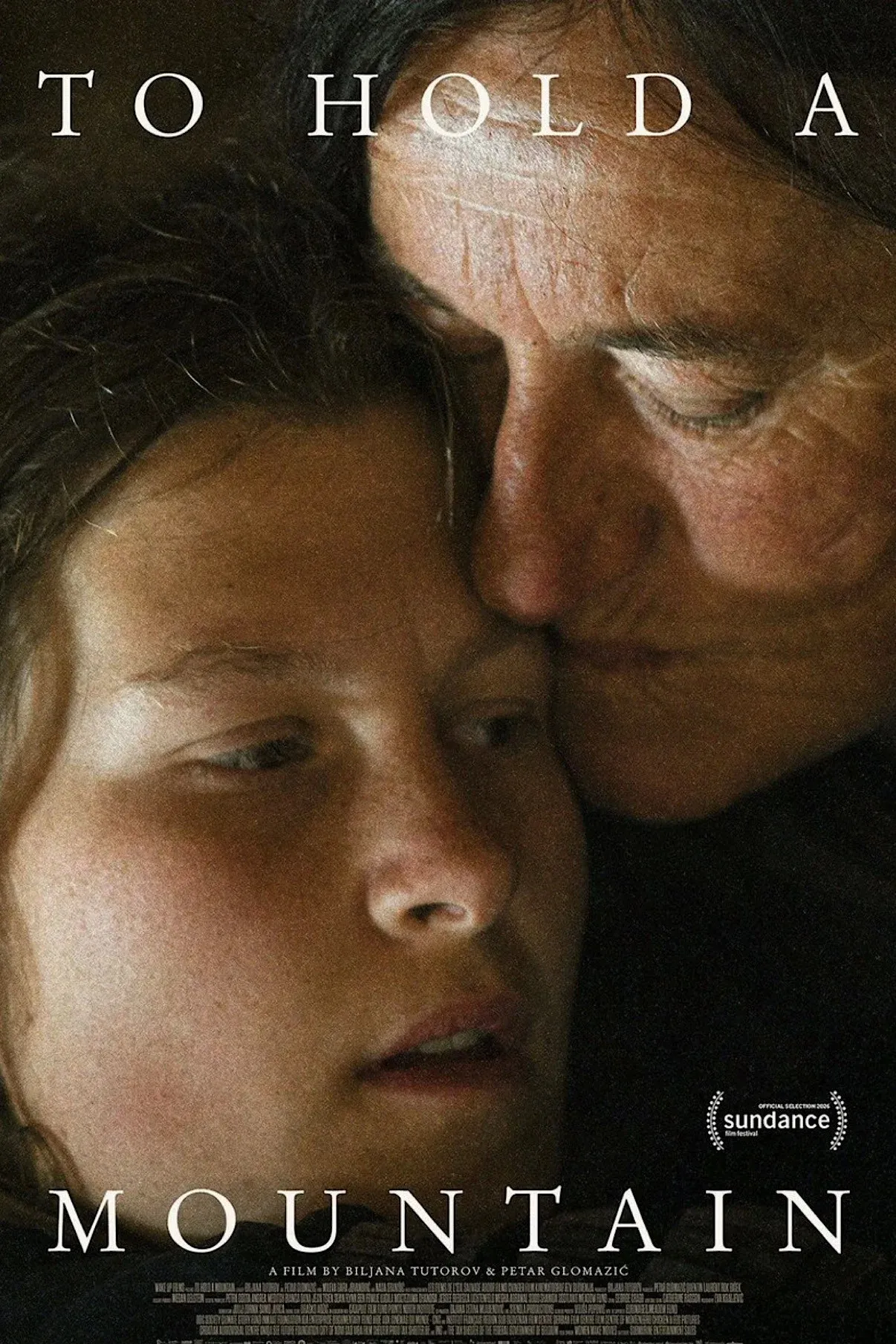
Next is To Hold a Mountain by Biljana Tutorov and Petar Glomazić. In terms of mood and feeling, it can be described as the opposite of Nuisance Bear. This is because it is an incredibly quiet, epic documentary that took 7 years to film, capturing the struggle of a woman named Gara and her daughter as they join forces to protect the mountain they call home from a NATO military base project.
The image of Gara, with only her own body as a fortress, standing without retreating on the grassland where her ancestors once lived, has been praised as both beautiful and powerful. Meanwhile, the story sharply delves into the global power structures that attempt to consume local identity, successfully winning the Grand Jury Prize in the World Cinema category at the Sundance Film Festival.
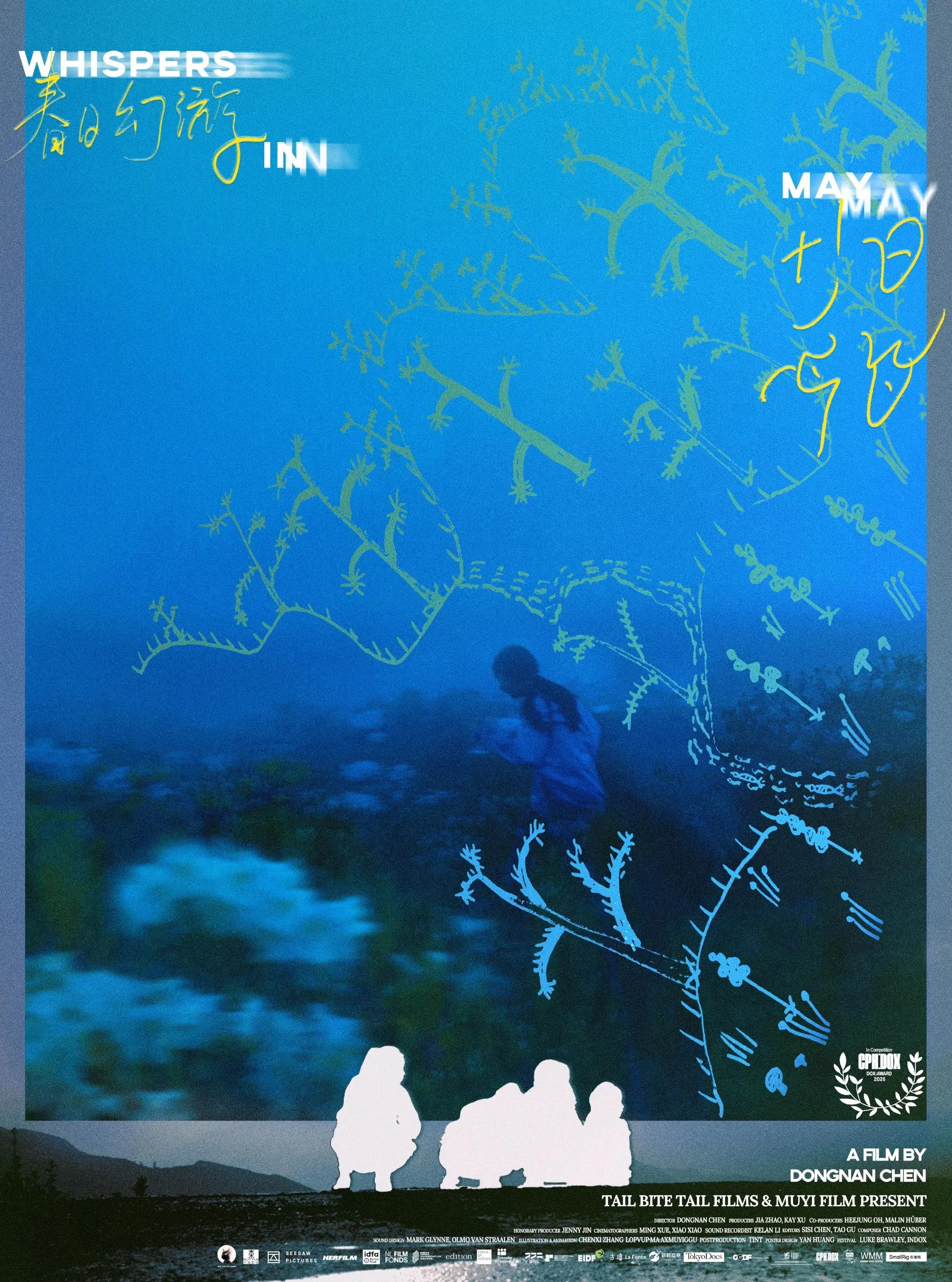
Let’s move over to the Asian side. The third documentary is Whispers in May by Chen Dongnan, winner of the DOX:AWARD from the CPH:DOX festival. The film introduces us to Qihua, a 14-year-old girl from the Nosu ethnic group in the remote area of Liangshan, which has been dubbed the land of "left-behind children" because parents here must enter the cities to sell their labor, leaving the children to grow up on their own.
This documentary focuses on an ordinary yet highly significant moment in Qihua's life. That is when she sets out to buy a new skirt to enter her transition ceremony into womanhood. The film's distinction lies in its storytelling style, which blends reality with fiction, resulting in a product akin to a children's fairy tale that is both beautiful and bitter at the same time.

The fourth film, From Dawn to Dawn by director Sisi Sophia Ye Chen, crosses over to Barcelona and follows the life of her older brother, a Chinese displaced person in Spain who must choose between morality and survival. The film explores his bizarre past involving a Chinese gang before turning himself into a good househusband in the present day.
Due to the director and the subject being siblings, the film possesses an interesting blend of intimacy and awkwardness. When mixed with the complex and painful struggles of a displaced lifestyle, it results in this documentary having an incredibly intense and sincere flavor, ultimately winning the Grand Jury Prize at the Visions du Réel festival.
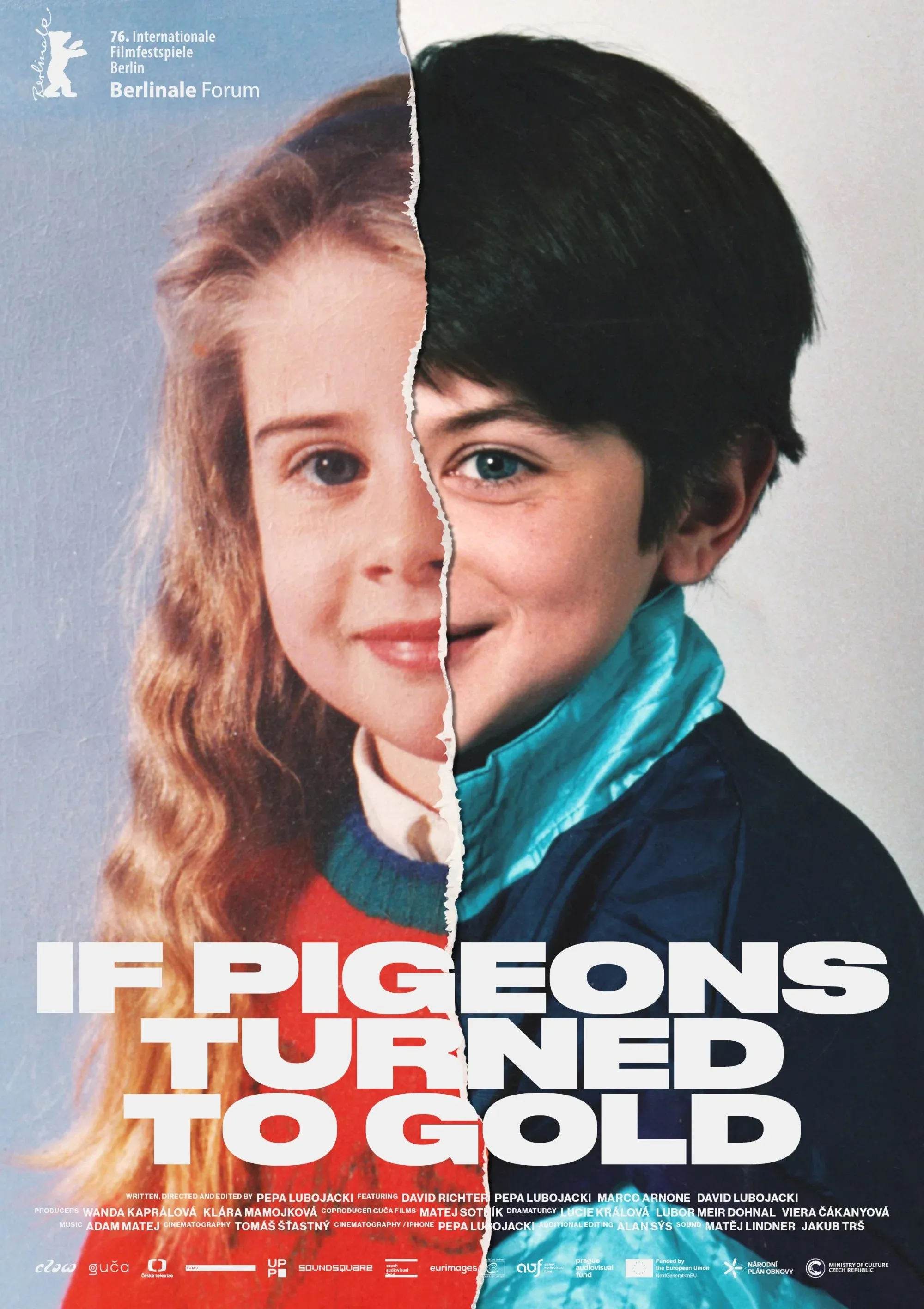
The last one, If Pigeon Turned to Gold, a gem from the Czech Republic, where Pepa Lubojacki used a mobile phone to follow and film her own family members for over 7 years—particularly her older brother, David, who is homeless and an alcoholic. The heaviness of the film lies in the director’s unsparing revelation of her family's truth. We are informed that the father of the Lubojacki household had also previously passed away from alcoholism as well, leading to the question of how such a vicious cycle is passed down from generation to generation, and who or what will finally make it stop.
If Pigeons Turned to Gold won both the Berlinale Documentary Award and the Caligari Film Award simultaneously at the Berlin International Film Festival, marking the first time a film from Czechia or Slovakia has won these two awards at once, and making it one of the most widely talked-about masterpiece documentaries of this year.