When documentary filmmaking must face the storm of AI
Read 0
Rewinding to less than a year ago, upon hearing the word AI, we might have turned away. Documentary makers may have seen it as something toxic, forbidden—almost a sin or a bad omen if anyone thought of involving AI-generated outputs in their own work. But in the blink of an eye, today we can no longer deny that AI has become part of (or more precisely, a significant part of) many people’s daily lives. Along with this, the documentary field can no longer regard artificial intelligence as something distant or irrelevant.
So how is AI involved in documentaries? In many ways. Filmmakers may still not be ready to fully embrace it to the point of using it to write scripts extensively, but the use of AI in data management, image simulation, and even editing of visuals and sound has already begun. However, given that documentary work is directly tied to “truth,” the industry has responded to AI with seriousness and particular caution
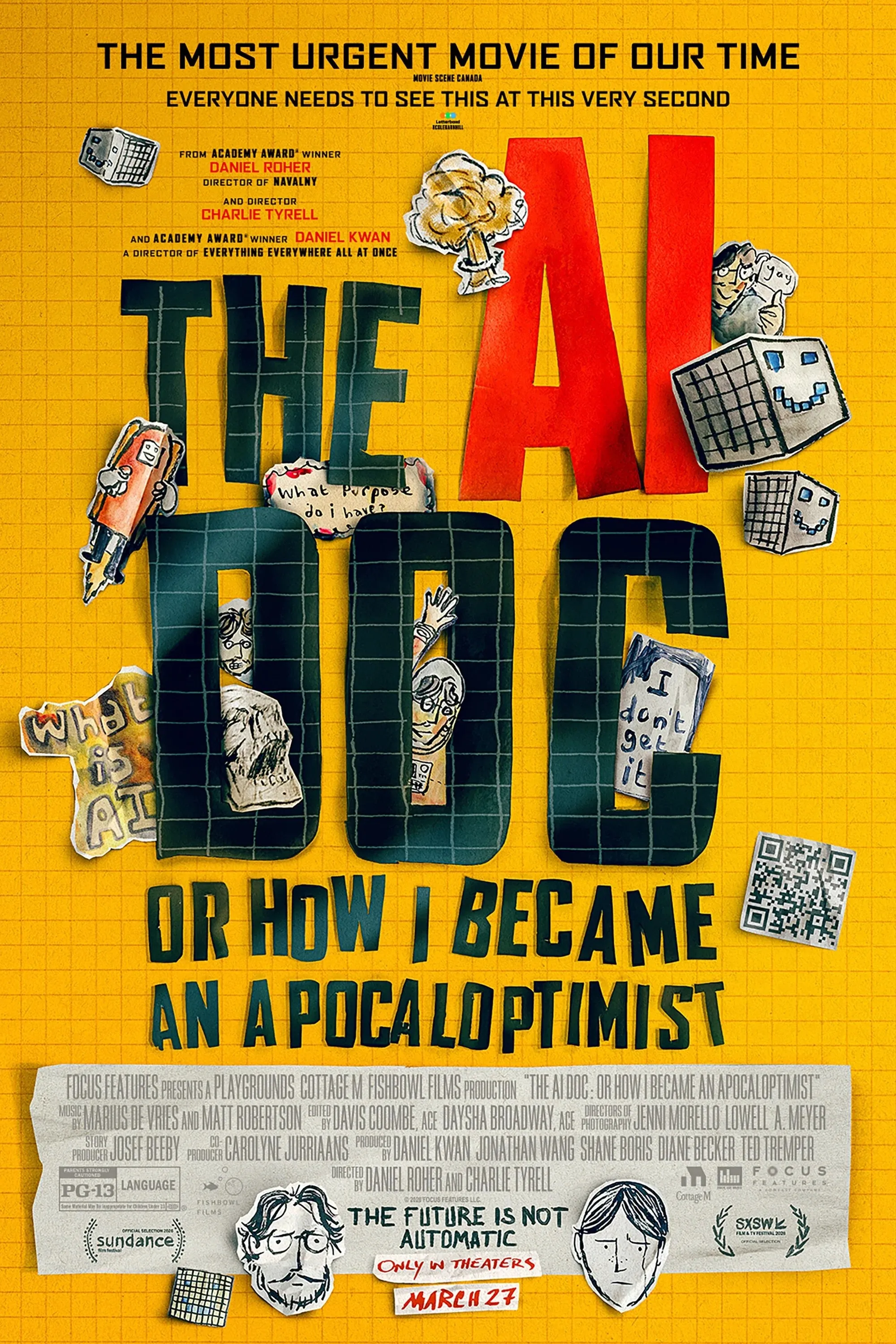
The initial stance we have seen over the past year appears in the documentary film The AI Doc: Or How I Became an Apocaloptimist by Daniel Roher (the Oscar-winning director of Best Documentary Feature for Navalny), which explores the wide range of emotions he has toward this technological advancement. Roher coins a key term to describe himself: “Apocaloptimist,” or “a person who remains optimistic in the midst of an apocalypse.” Arguably, this also reflects the attitudes of many media practitioners. On one hand, they fear that AI will destroy jobs, wipe out professions, or even distort historical truth. On the other hand, they still hold hope that it could become a tool that enables humans to transcend previous limitations on a massive scale.
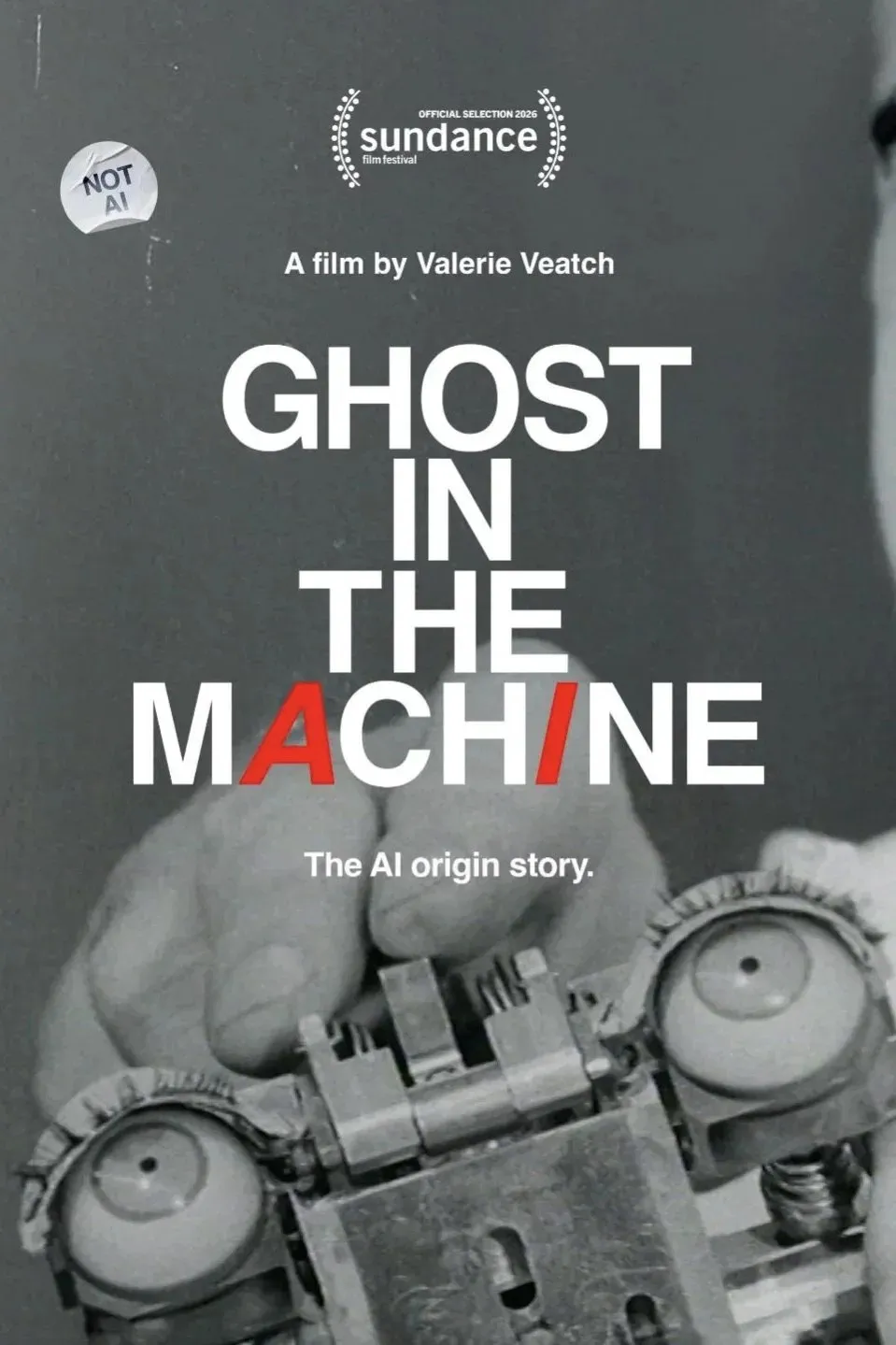
In contrast, around the same period, there is also the documentary Ghost in the Machine by director Valerie Veatch, which examines the alarming underside of the AI industry. It reveals that this technology does not simply become intelligent on its own; rather, the data it accumulates, collects, and refines may be grounded in a worldview shaped by whiteness, full of racial and gender bias. In addition, it relies on low-paid laborers who are turned into “digital waste filters,” responsible for screening violent content to keep the system clean and make it appear highly intelligent. In short, the film argues that AI is not a miracle but is driven by human exploitation, and the term “artificial intelligence” is merely a marketing narrative that makes it appear polished and appealing.
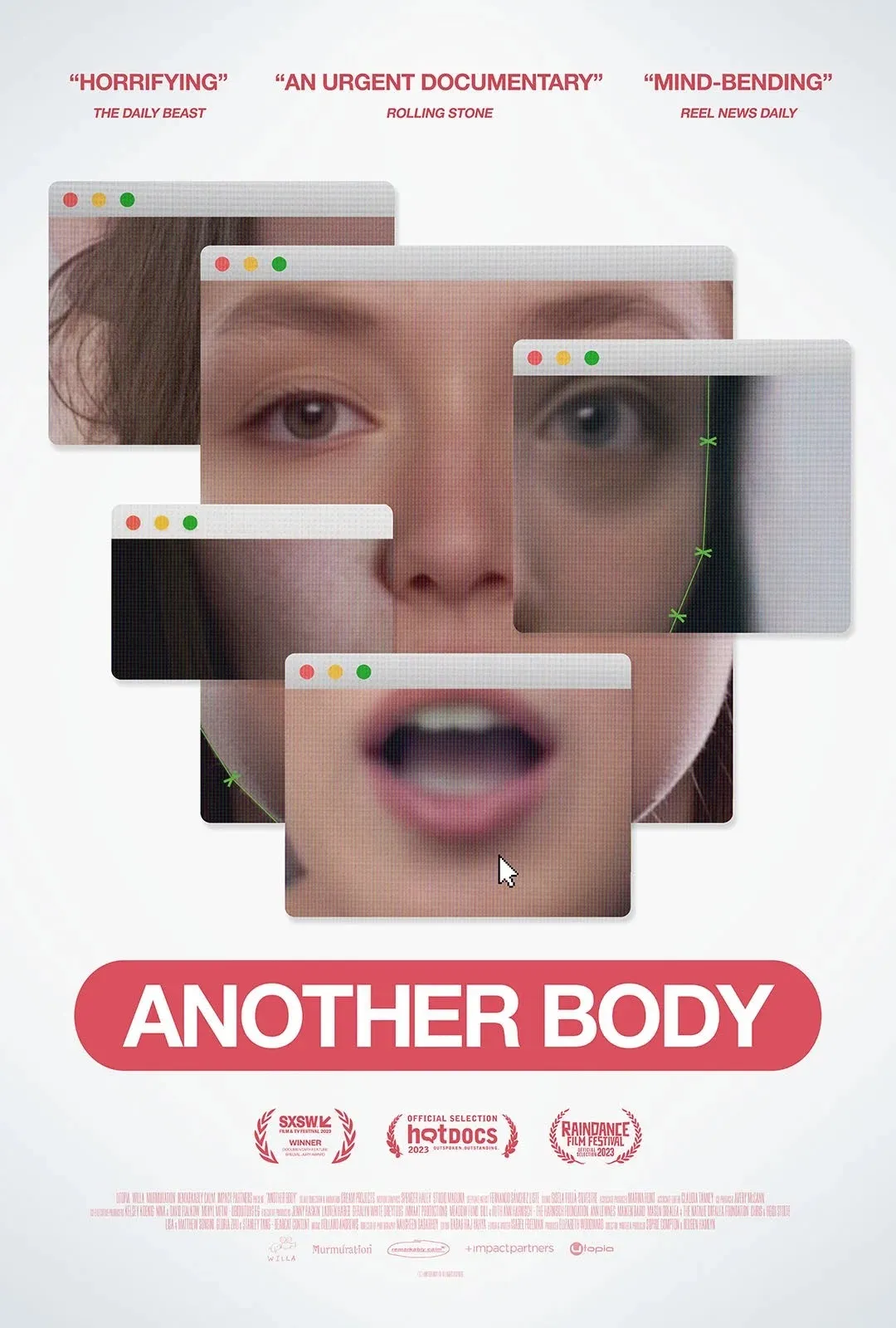
Beyond documentaries that explore various aspects of AI, filmmakers have also begun using AI in a range of interesting ways. On the positive side, there is Another Body (2023) by Sophie Compton and Reuben Hamlyn, which marks a significant milestone in the use of AI to mask the identities of subjects in the film (she is a female student who was a victim of deepfake pornography). This allows the audience to still see her emotions and feelings without her having to reveal her real face. At the same time, the film does not rely on traditional techniques such as blurring the image, placing the subject in shadow, or using black bars to cover the face, which often prevent viewers from fully accessing the subject’s inner experience.
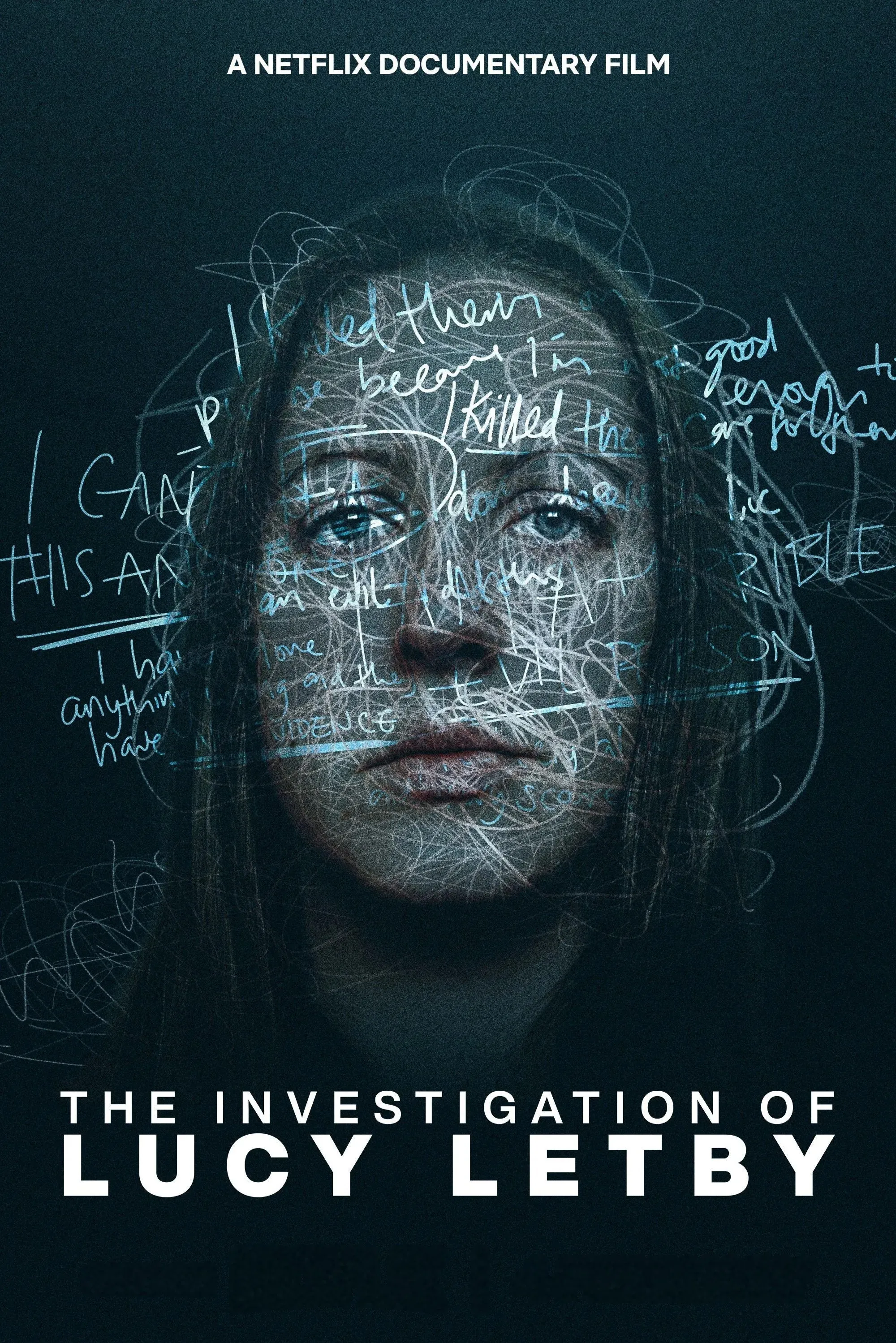
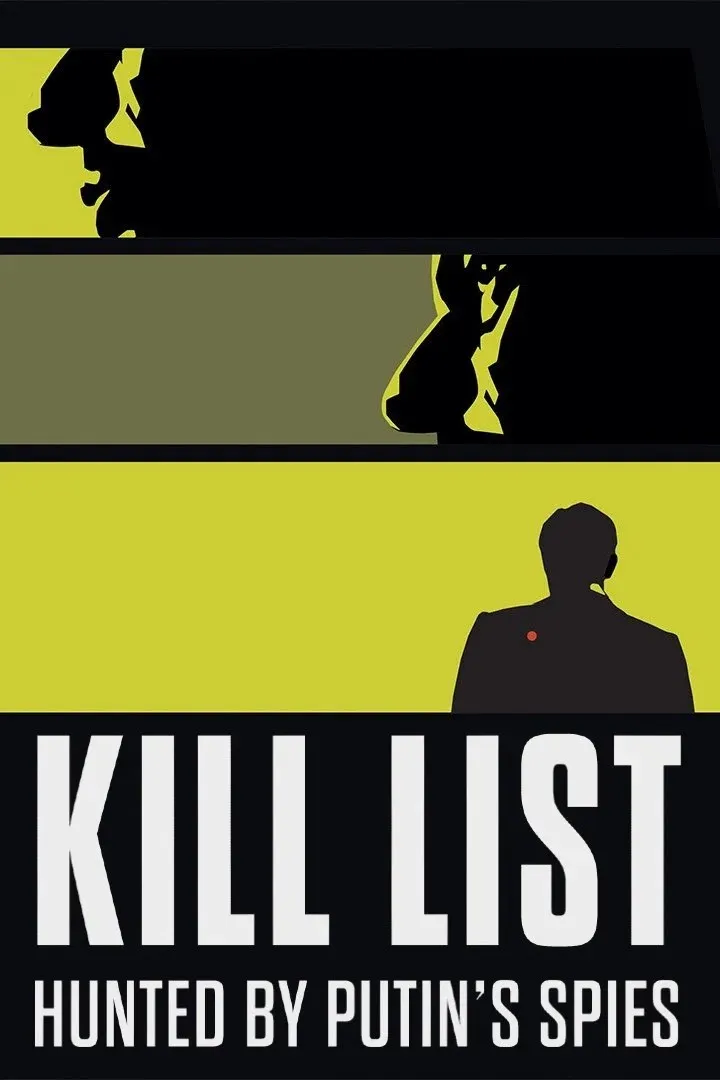

(The use of AI to intelligently conceal subjects can also be seen in The Investigation of Lucy Letby by Netflix, which covers the case of a British serial killer nurse and uses AI to protect the identities of two key informants; Kill List: Hunted by Putin’s Spies by Channel 4 in the UK, which uses AI to protect the identities of sources being hunted by Russian spies; and Welcome to Chechnya, which uses digitally generated faces overlaid onto members of the LGBTQ+ community in Chechnya who are facing persecution.)
On the negative side, one of the AI applications that raises concerns among documentary filmmakers is AI enhancement, or the use of AI to improve image quality—such as enlarging old or blurry photographs. This process may synthesize incorrect information and generate altered images that do not accurately reflect reality, or it may even reconstruct historical figures in ways that distort their actual facial features. If used improperly in documentary films, such practices can directly undermine credibility and seriously damage the very foundation of documentary filmmaking.
As AI presents both exciting and alarming possibilities, there have been efforts within the industry to establish standards and guidelines for its use. Organizations such as the International Documentary Association (IDA) and the Sundance Film Festival have jointly introduced a new set of rules known as Nonfiction Core Application 3.1, a funding application standard that requires filmmakers to disclose in detail how AI is used in their projects. This is intended to ensure transparency for both funders and audiences.
In addition, legal frameworks are also beginning to take clearer shape. For example, works that are created entirely by AI are not granted copyright protection, as the law requires “human authorship” as a fundamental principle. There have also been lawsuits concerning cases in which AI companies used copyrighted data for training without permission. Documentary filmmakers are being advised to use only tools whose data sources comply with legal standards.
In summary, the current stance of the documentary field is an effort to quickly establish a foundation that regulates this highly advanced technology so that it continues to serve factual truth with integrity. The key principle that everyone seeks to uphold is the preservation of professional ethics at the heart of the discipline, in order to continue affirming to audiences that everything shown on screen is a fragment of history that has truly occurred.