Reflections of Life in an Earthen Pot: Memory, Identity, and the Taste of Love in Food of Love: Korea - Picturing a Life
Read 0
If the first episode was about taking us to explore the “breath” that drives the energetic soul of India, Food of Love Episode 2: “Korea - Picturing a Life” also takes us into the silence to capture the “photographs of life” through Korean dishes imbued with the traces of time, solitude, and departure. This episode of the documentary abandons the flashiness of the K-wave in the capital city, and brings the audience deep back into the freezing countryside to ask a deeply lonely question: In a day when everything is about to fade away with time, can food function as a final diary to hold onto memories? The documentary weaves the concept of recording images (Picturing) together with the way of eating beautifully and vulnerably, to show that every single bite a person swallows is, in reality, an attempt to re-project the past and embrace the fragments of identity of the ones we love inside our hearts before they are erased forever.
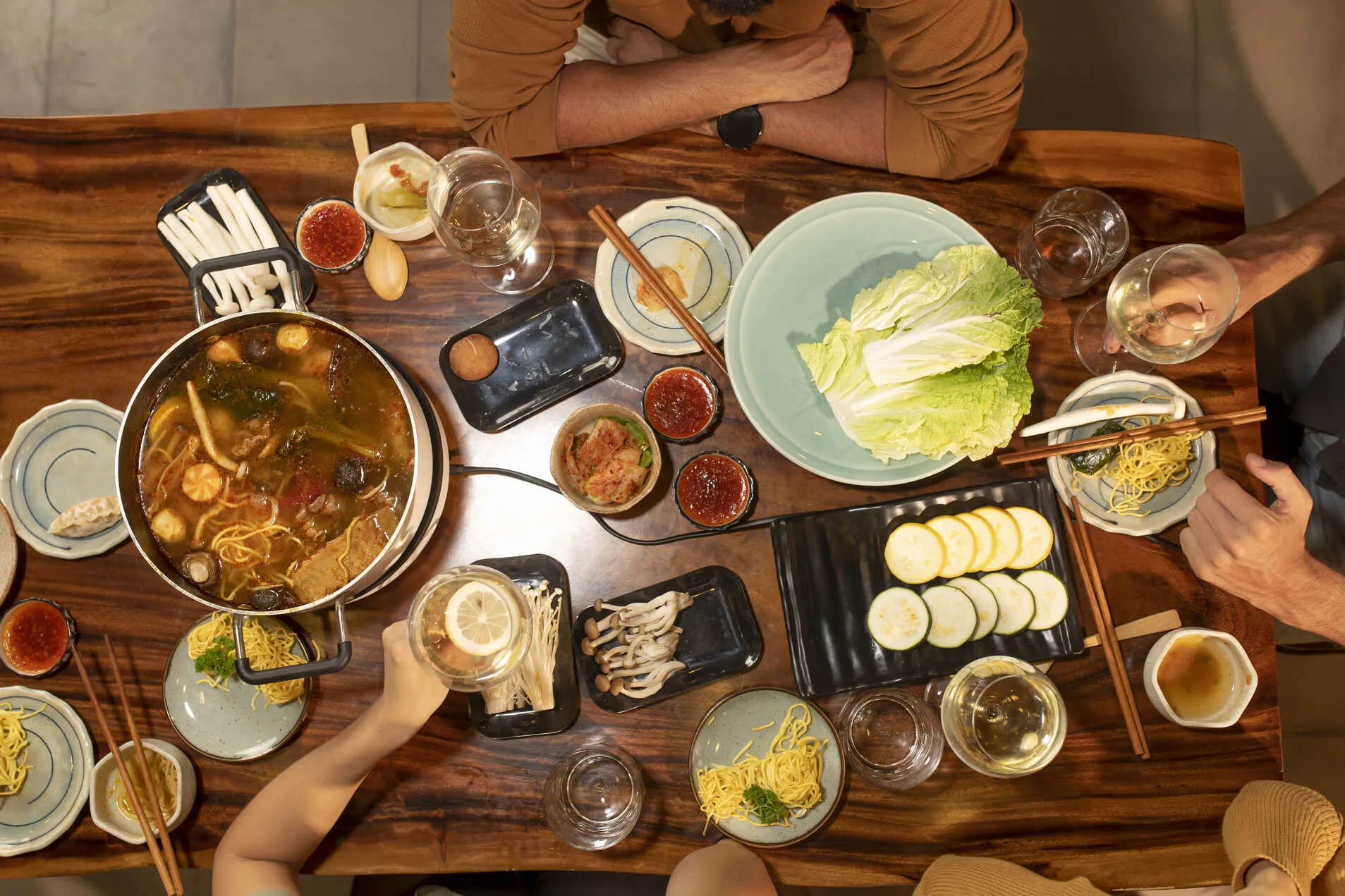
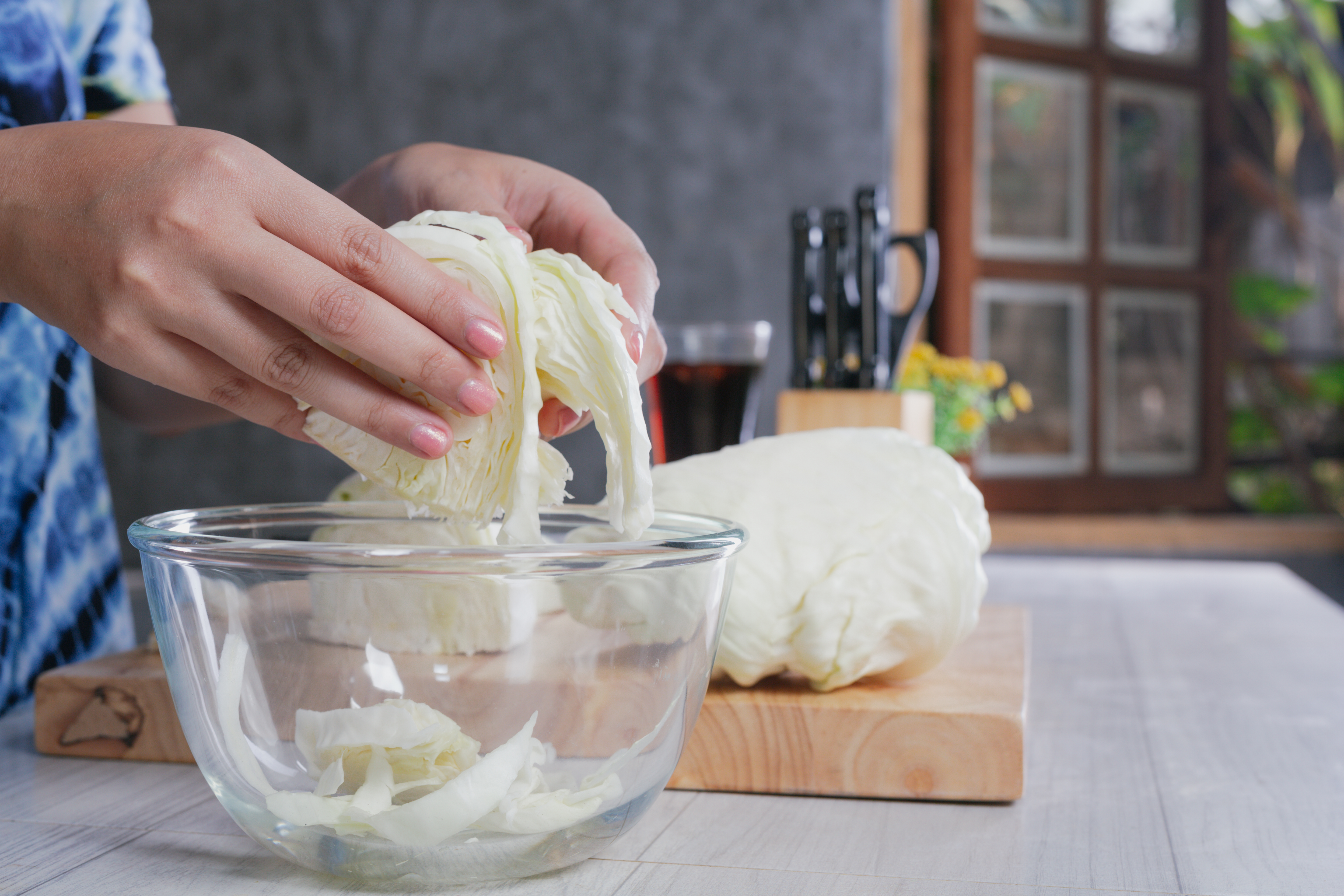
The plot of this episode is presented simply but cuts deep, through the parallel stories of two groups of characters who are both facing loss. The first is an elderly grandmother living a lonely life in a remote rural village in the Gangwon region. She has spent her entire life watching over earthen pots used for fermenting traditional kimchi and is using her remaining strength to pass down the recipe for "winter kimchi" or Gimjang to her young granddaughter, who will have to grow up in the wide world one day. Meanwhile, the second group is a young documentary photographer from Seoul who must travel back to his hometown to capture photographs and the recipe for the final dish made by his mother, who is slipping away into the world of dementia. The cutting back and forth between images of pressing the camera shutter to freeze time that is running out, and images of wrinkled hands massaging chili powder with napa cabbage, serves as a poignant symbolic communication that both photographs and food perform the same function, which is acting as tools to sustain memories on the day everything is about to become mere emptiness.
An interesting analytical point that leaves a feeling of deep loneliness in the heart is the interpretation of "kimchi and fermentation as a time-preservation mechanism." The documentary shows that the Korean fermentation process (Fermentation) is not just a food preservation technique for survival, but in this piece, it is a philosophy of deeply solitary waiting. The love of Korean women is buried underground along with those earthen pots through freezing seasons, time and time again. It is a love that requires a long period of tempering, akin to developing film in a darkroom where time must be allowed to do its job so that the image of memory can appear clearly. Moreover, the part of the young photographer and his mother with dementia elevates this episode of the documentary to dive deep into a state of heartbreak. The poignancy lies in the fact that even though the mother’s brain has begun to forget her son’s face or entirely forget the names of ingredients, the “muscle memory” in holding a knife to slice radishes and estimating the amount of salt still works faithfully. A simple dish like a hot pot of soybean paste stew (Doenjang-jjigae) that the mother cooks for him. So, it becomes the final remaining bridge between mother and son. Food in this context is therefore not just something that nourishes the body, but a spiritual life support trying to hold on to a warm past so it does not vanish.
In terms of visuals and aesthetics, the documentary masterfully controls a color palette that reinforces loneliness. Scenes in the big city of Seoul are presented in cold blue tones, filled with reflective glass, high bridges, and people walking past one another without making eye contact, reflecting the rush and isolation of the younger generation. Meanwhile, scenes in the countryside utilize warm yet somber tones. The image of pure white snow piling up on the roof of a silent traditional house, contrasting with the heat of steam billowing up from a soup pot, serves as a metaphor for the coldness of the outside world and the time that is about to take everything away. But at the very least, that coldness is temporarily sustained by the warmth from food cooked with love in a small kitchen. It is a visual composition filled with silence and space, allowing the audience to absorb the loneliness alongside the cast.
Food of Love: Korea - Picturing a Life highly succeeds in making the audience realize that every dish has its own lifespan, and the cooks we love will also eventually wither and pass away.
About Author
บอส หลงอินเดีย
นักเขียนผู้รักประวัติศาสตร์และความแตกต่าง ที่หลงใหลการเดินทางและการจดบันทึก เพื่อเข้าใจความคิดผู้คนต่างวัฒนธรรม