About the Pink Cocoon
Read 0
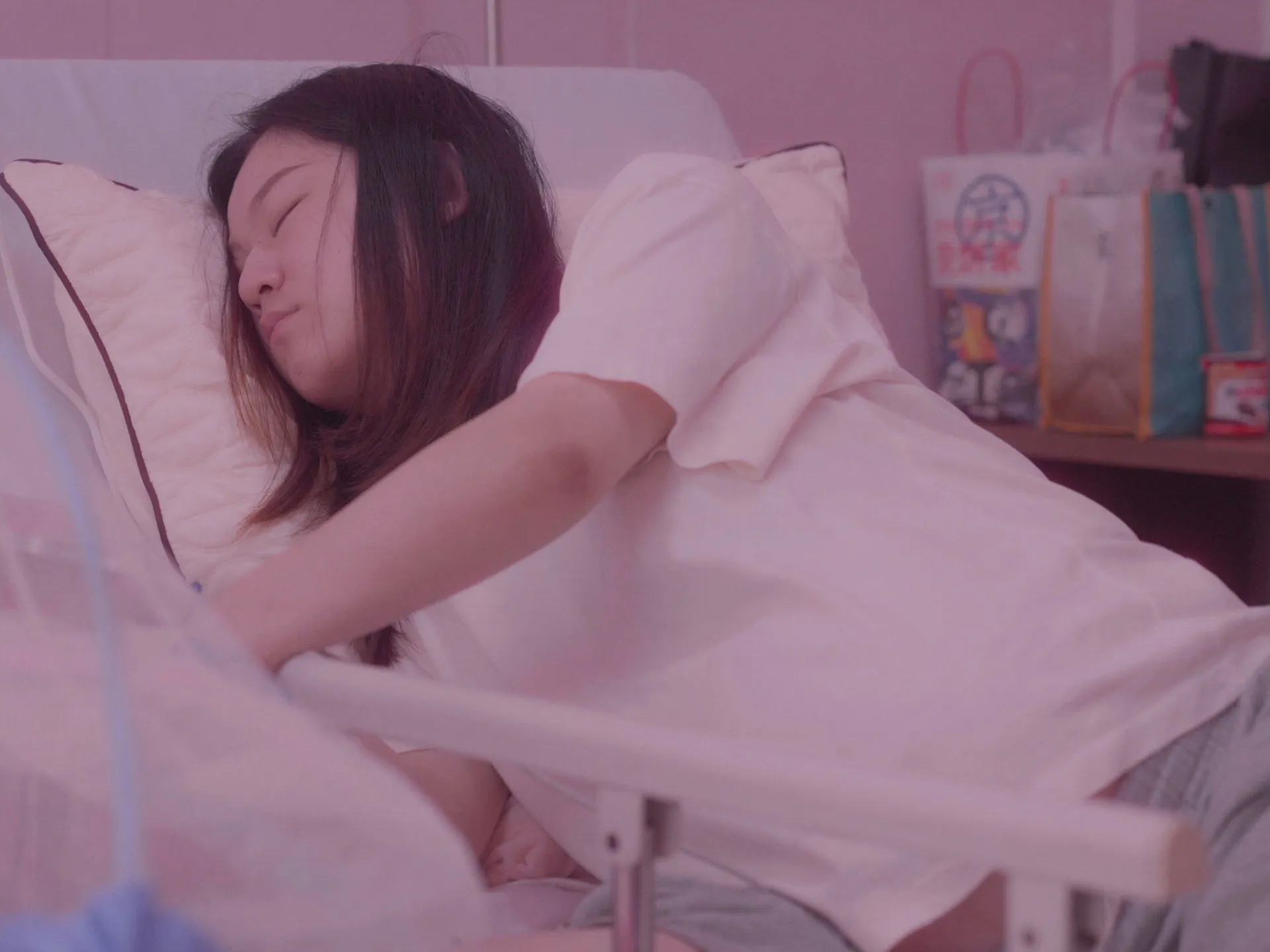
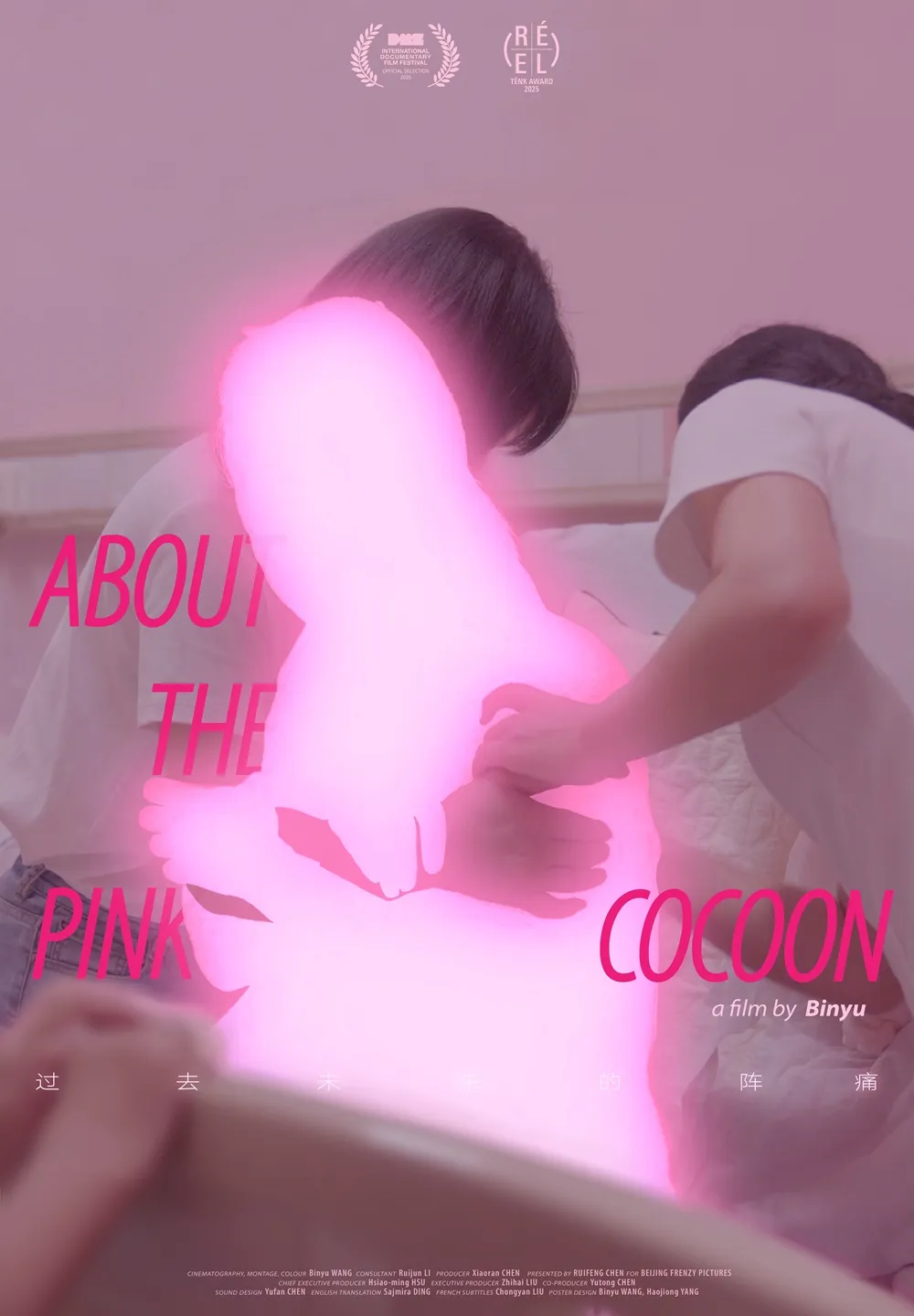
On the day A-Jiao was waiting to give birth to her first child in the pink room of the hospital, Pin Yu, her younger brother, stood in the corner of the room with a camera, to record one of the most important moments in his sister’s life.
Pin Yu’s presence in this place was considered unusual. He was a 27-year-old man who had entered a space where, under normal circumstances, men would not step inside. Apart from A-Jiao, the room was also filled with women of different ages and generations, including a grandmother, a mother, an aunt, and even the aunt’s young daughter. In other words, this room was a women’s space, a space created for women, and long defined as something that should belong to women only.
The short period of time inside this room forms the core of the short documentary About the Pink Cocoon (2025), in which Wang Binyu both directs, films, interviews, and edits entirely on his own. It is noteworthy that he is almost the only male in this family surrounded by women, which positions him as an “outsider.” At the same time, however, his status as the biological younger brother of the subject also grants him a full sense of being an “insider,” and it is precisely this dual position that makes the film even more compelling.
Broadly speaking, About the Pink Cocoon consists of two main parts. The first follows the younger brother filming his elder sister as she approaches childbirth, asking her about her feelings of becoming a mother, while also documenting the arrival and departure of relatives inside the room who come to wait for the birth and the sex of the child. The second part presents the family’s history, narrated by the mother and the elder sister, which forms the background that allows the audience to understand the complex relationships among the women present—each of whom has been continuously shaped by generational pressure under Chinese social values that prioritize sons over daughters, as well as the long-lasting impact of the one-child policy.
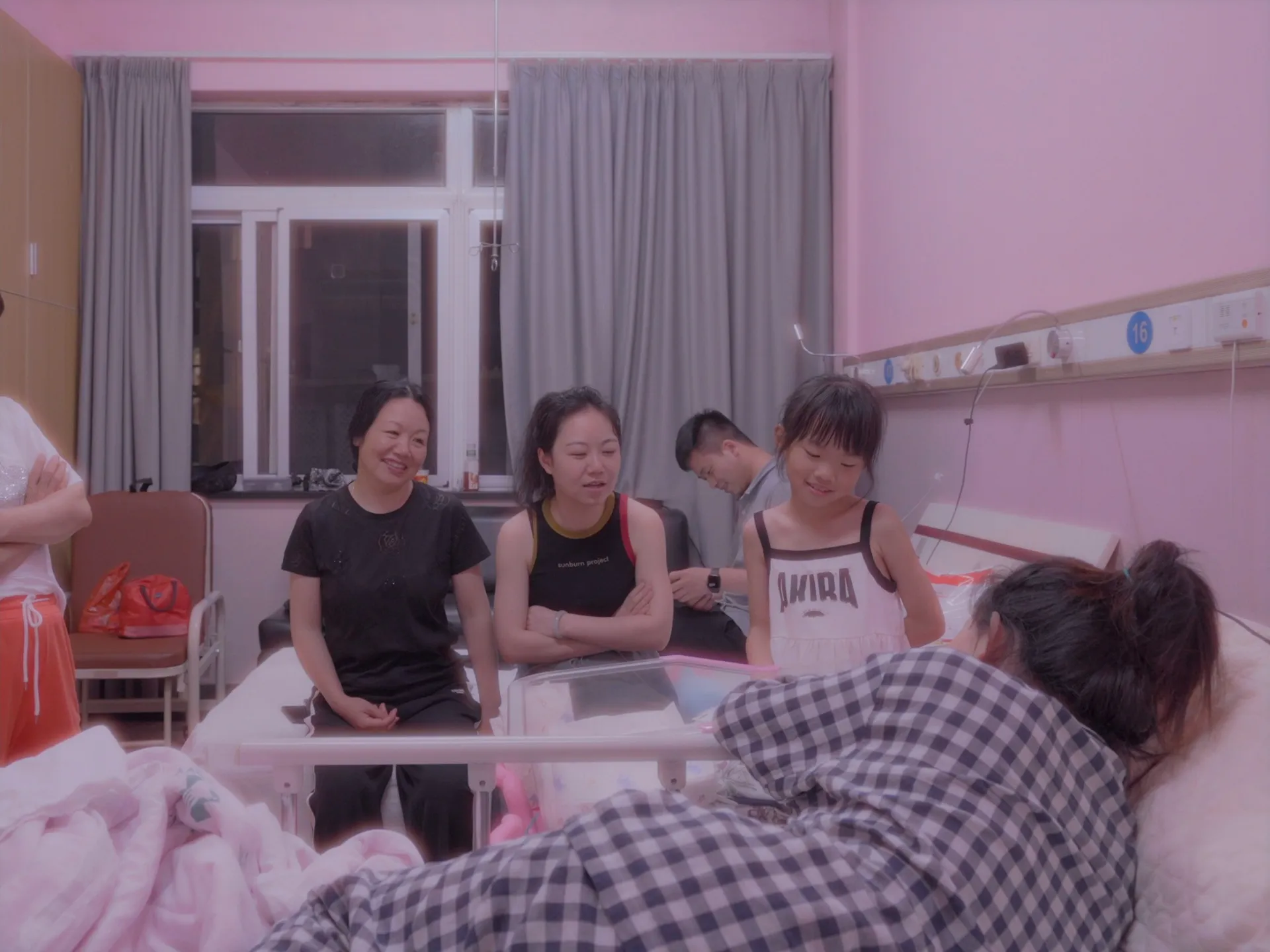
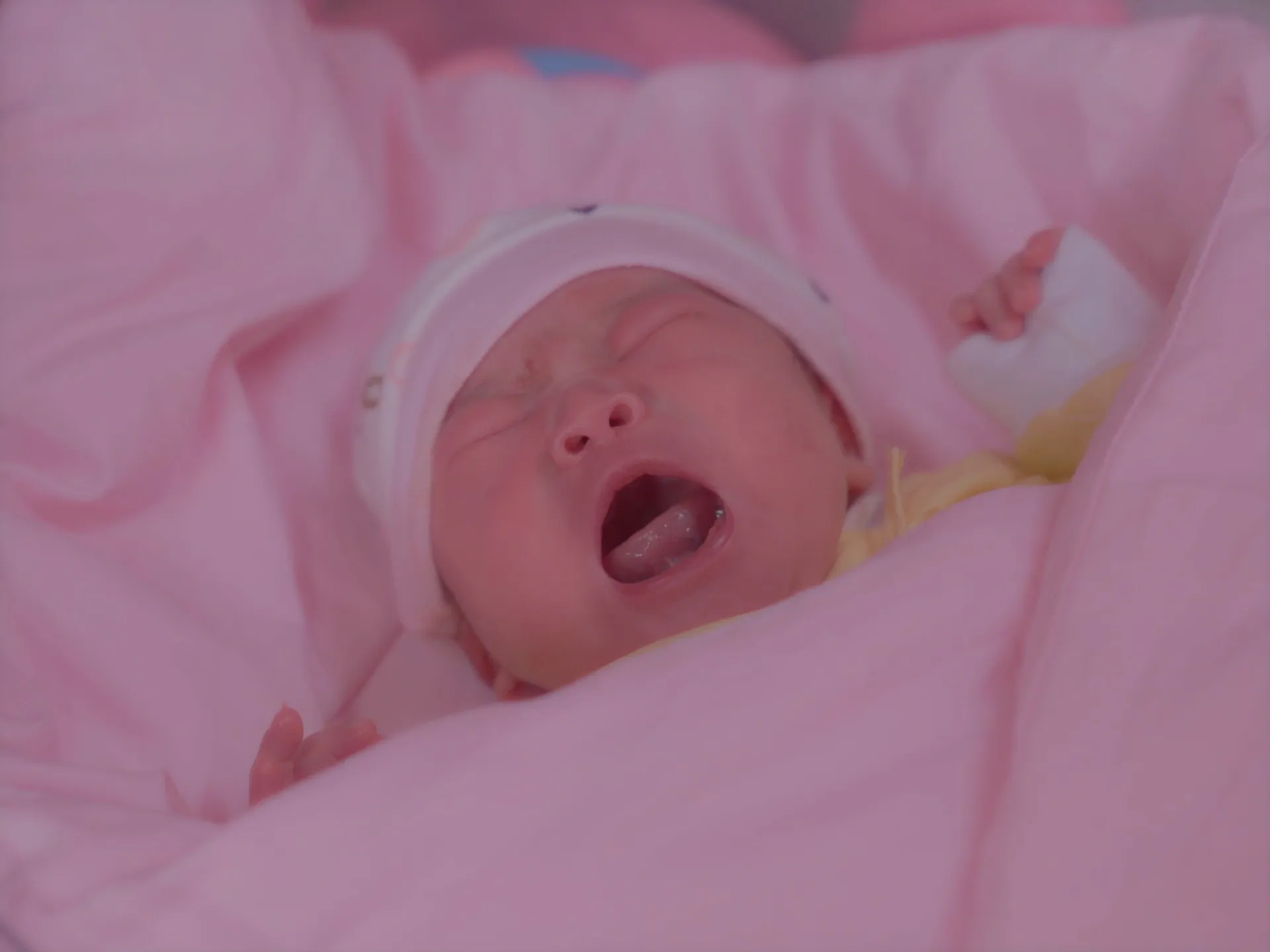
These values and policies caused A-Jiao’s grandmother, mother, and elder sister to endure suffering as women who had almost no right to determine their own lives. If they had partners, they had to be those chosen by their parents. Being born female meant they had no control if their parents abandoned them because a son was prioritized instead. If they wished to have a child freely, they had to face pressure from the entire family, who waited anxiously to see whether the baby would be a boy, and so on. These feelings of repression are captured in the film, allowing the audience to sense them clearly, even though the events in the film take place over only a few days.
China’s one-child policy was enforced from 1979 to 2015 and left deep traces in the lives of a vast number of Chinese women. It has since been documented that this period was marked by events that many may find unimaginable. For example, local officials tasked with controlling birth rates would monitor the lives of women in their areas, even tracking menstrual cycles to ensure that no woman became pregnant beyond the quota. If a family gave birth to a daughter, there was a high possibility that the child would be abandoned or even killed so that they could continue trying for a son. Hundreds of thousands of girls who survived may also have been sent abroad as adopted children to Western families through both legal and illegal processes, and so on.
One of the most direct feature documentaries addressing this issue is One Child Nation by director Wang Nanfu, which explores her family history and the broader impact of China’s one-child policy on those around her, eventually uncovering a brutal truth from her own uncle, a village doctor. He reveals that during the enforcement of this policy, he was forced to perform thousands of abortions and compulsory sterilizations on women under state orders. In addition, there were many parents who abandoned their daughters on the streets because they had no other choice.
The title About the Pink Cocoon therefore carries an interesting layer of meaning. On one hand, it refers to that pink delivery room in the hospital, which appears to be a safe and gentle space for the beginning of new life. But when combined with the narratives we hear, this cocoon instead resembles a space that traps women within the same recurring cycle. It is a cocoon woven from pain and the expectations of a society that presses down on their shoulders.
About Author