The Breath of India: Where Spirituality and Love Converge Through Taste — Food of Love (India: Inhale, Exhale)
Read 0
If food is the universal language through which humanity communicates emotion, then the premiere episode of the documentary Food of Love, titled 'India—Breath In, Breath Out,' is the visual poem that defines this concept most profoundly. Rather than merely showcasing vibrant spices or taking viewers on a standard tour of bustling street food, the documentary thoughtfully frames its narrative around the philosophy of life itself. By weaving the practice of inhalation and exhalation—the very foundation of Indian yoga and meditation—into the art of cooking and eating, it dives deep into the intricate relationship between humanity, ingredients, and faith, all seamlessly bound together by the power of love.
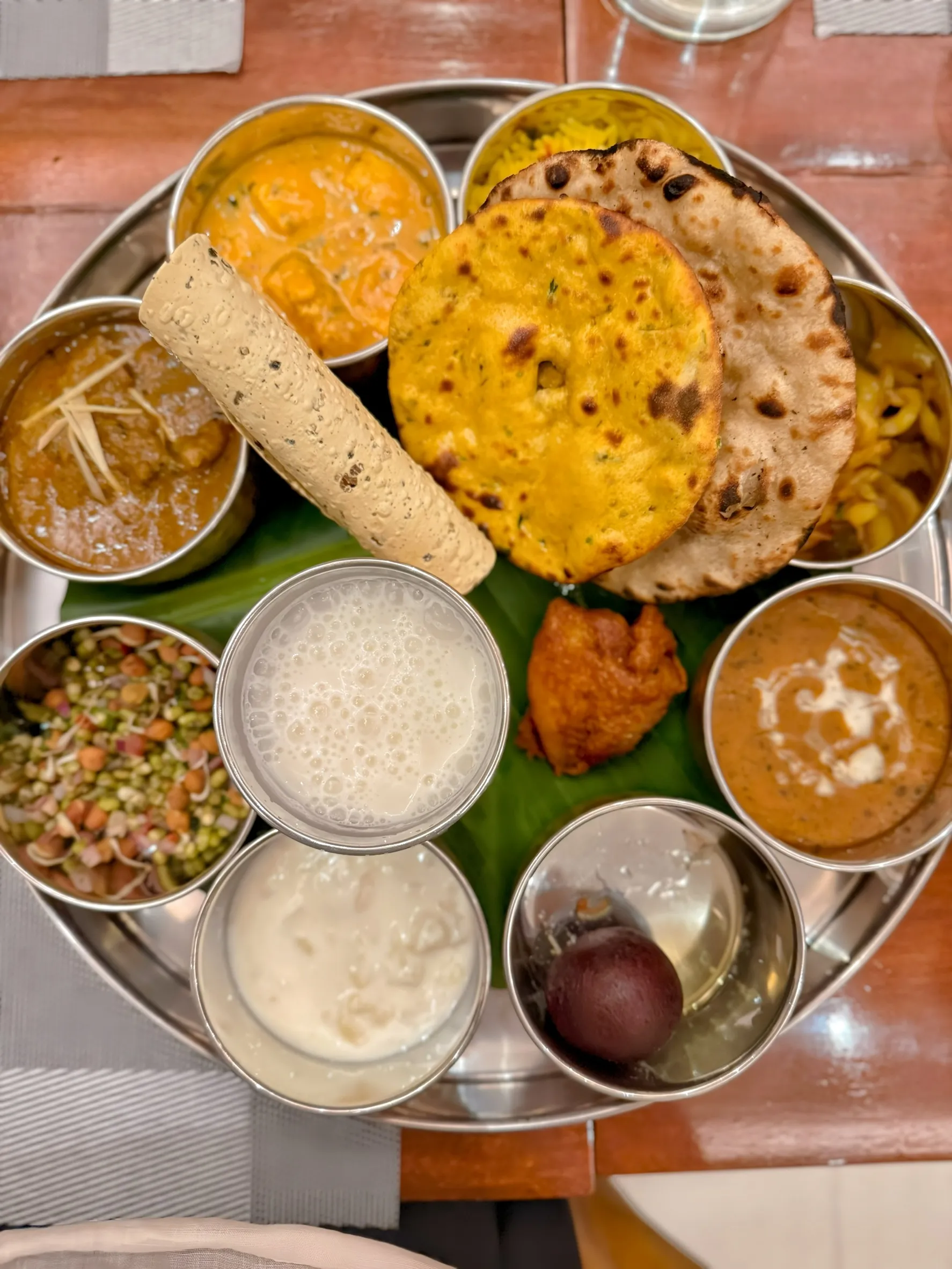
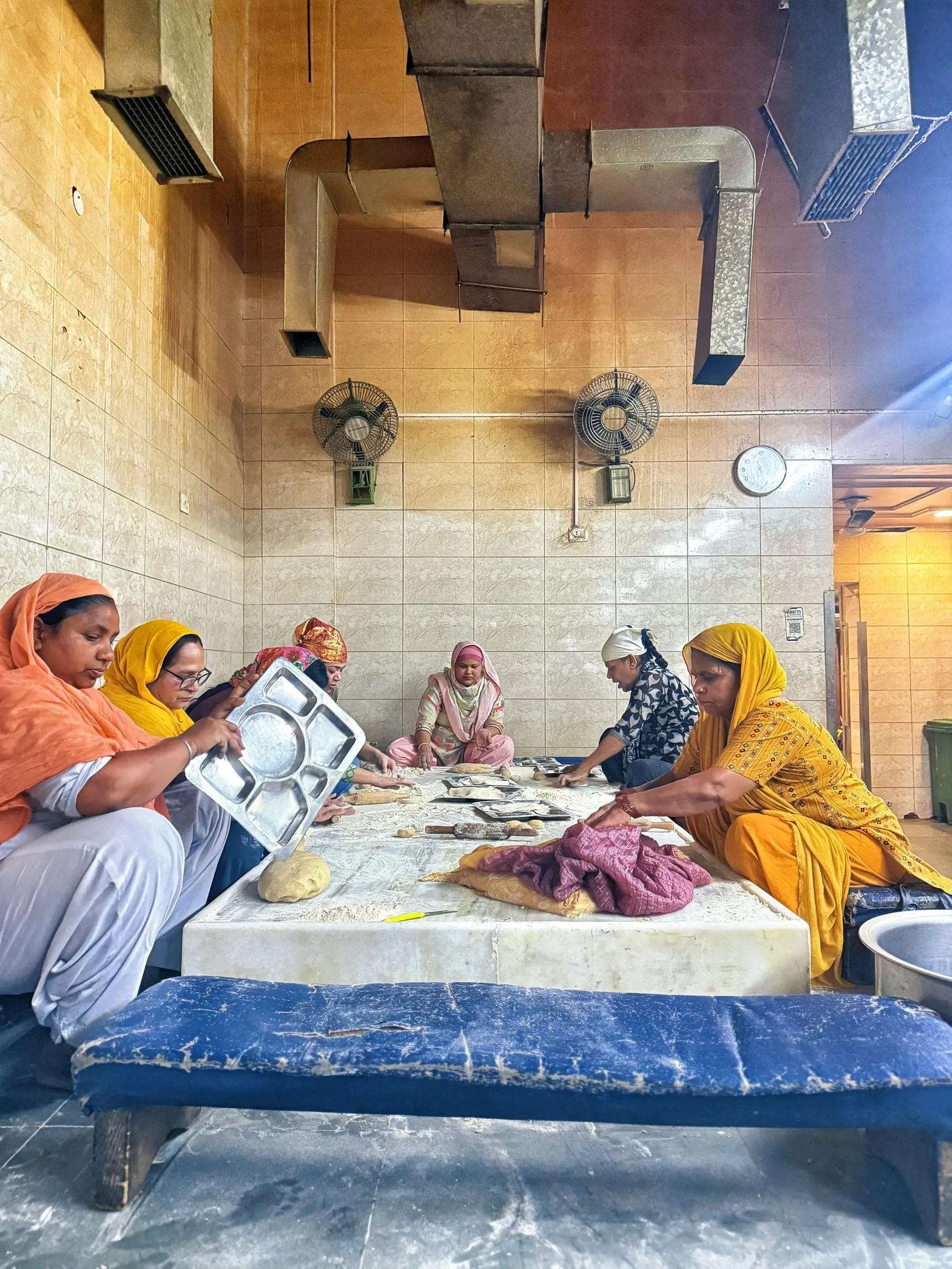
The story is told through the eyes of different people whose lives are linked by food. We follow a traditional family in Varanasi keeping ancient recipes alive across generations, a new wave of chefs in Mumbai reinventing Indian food for the modern era, and pilgrims cooking for thousands in a sacred Sikh temple's Langar. By cutting back and forth between the chaotic hustle of a big-city kitchen and the peaceful simmering of a clay pot on the banks of the Ganges, the show brings the idea of 'breathing in and breathing out' to life. One kitchen represents moving forward with relentless energy (Breath In), while the other is about slowing down and letting time fuse the flavors together (Breath Out).
A compelling aspect of this documentary worthy of analysis is how the director reframes Indian cuisine, moving beyond the stereotypes of bold flavors and fiery heat to present it as the 'art of balance'—a concept deeply rooted in Ayurvedic philosophy as the harmonization of bodily elements. The film demonstrates that crushing spices with a stone mortar is not merely a means to release aroma, but an act of infusing mindfulness and love into every nuance of flavor. Spices like turmeric, cumin, and coriander embody the inhalation, drawing the earth’s vitality into the body. Conversely, as the food cooks, the encompassing aroma becomes the exhalation, radiating joy back to those around. In this light, cooking transcends into a form of meditation; the chef must remain entirely present, instinctively knowing when to stoke the flames and when to let them simmer.
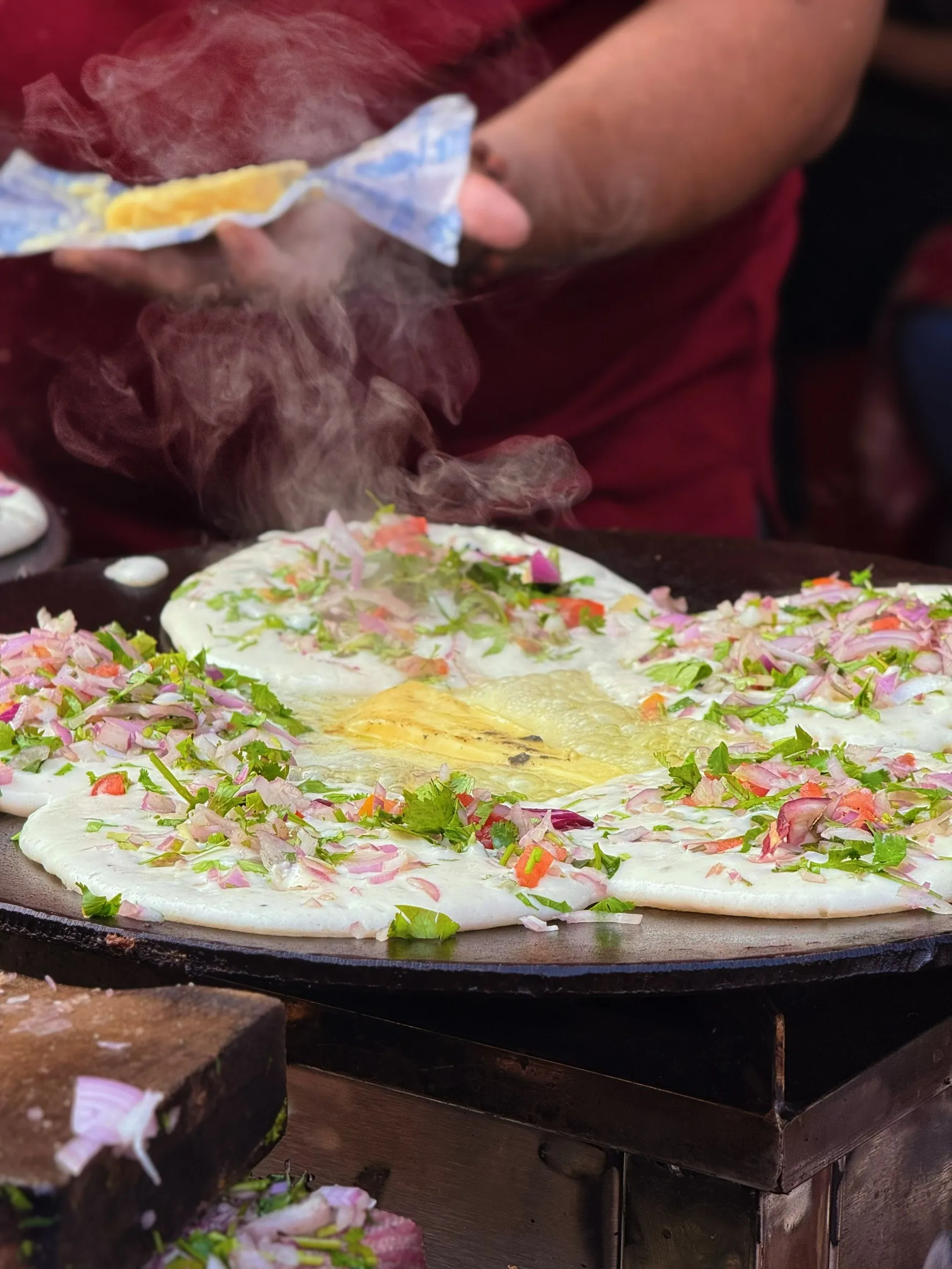

Furthermore, the true core of the documentary, powerfully conveyed, is the concept of 'food as devotion.' This is especially evident in the segment on the Sikh temple’s communal kitchen. The film observes that when love is elevated from the familial to the universal—embracing humanity without the barriers of caste or class—food instantly becomes a tool to dismantle social walls. The imagery of thousands of people seated side-by-side on the floor, sharing a vegetarian meal prepared through the collective labor and love of volunteers, demonstrates how food sustains the very soul of India. In a land defined by vast diversity and inequality, simple dishes like dhal and roti become a common ground where everyone can, quite literally, 'breathe together' as equals.
When it comes to the new wave of chefs in Mumbai, the documentary highlights an interesting balance between conflict and compromise. Trying to mix Western techniques with local Indian ingredients isn't seen as destroying their heritage. Instead, it’s about 'breathing in new life' so that the food culture can keep growing. It’s a way of showing love for your roots by moving forward. As this part of the show reminds us, 'Indian food doesn't have a fixed recipe—it changes based on the mood and the breath of the person cooking it that day.' This is the true heart of Food of Love. Since love has no set formula, Indian food in this episode serves as a perfect reflection of how fluid and adaptable humans naturally are.
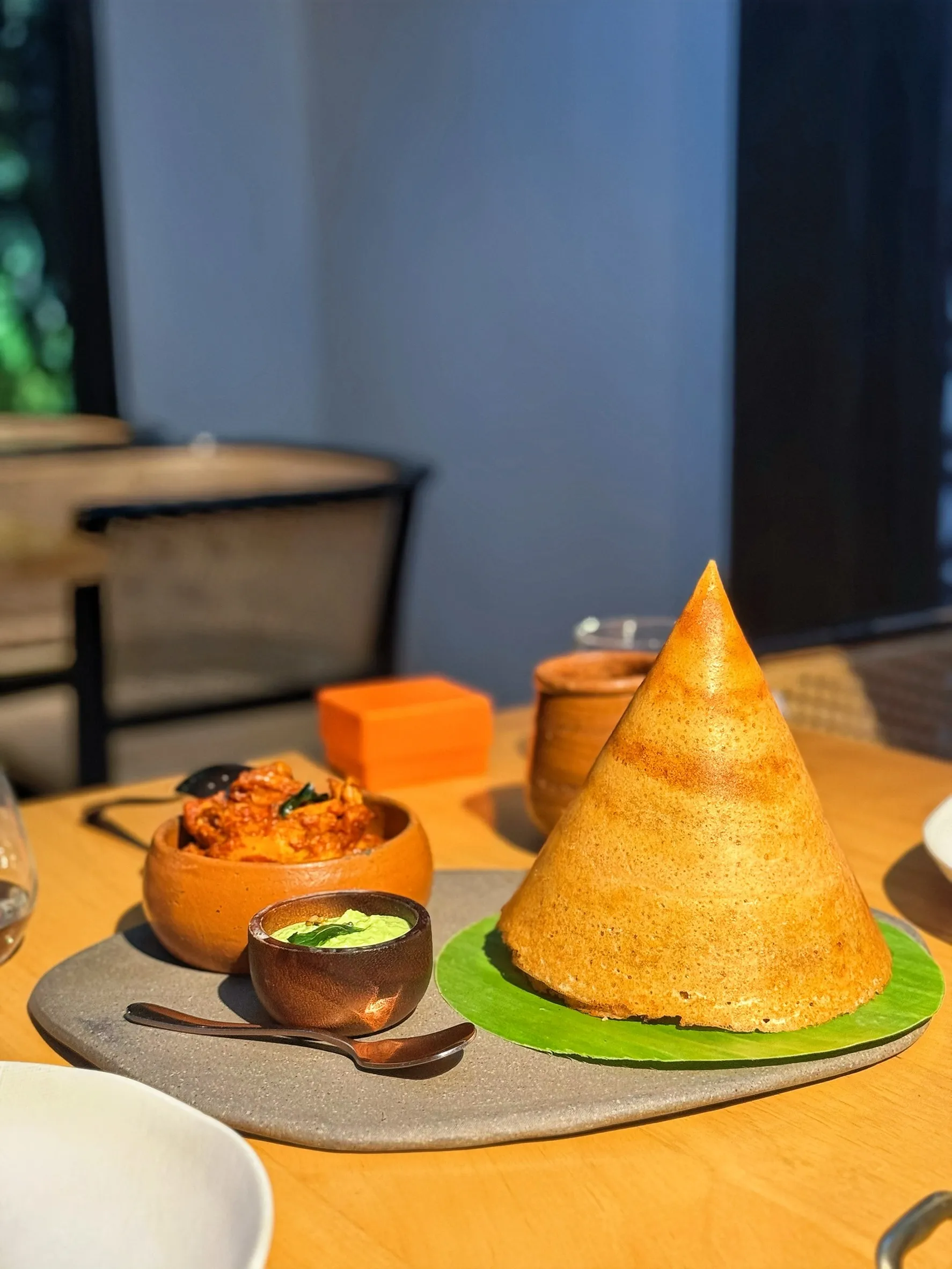
Ultimately, Food of Love: India—Breath In, Breath Out transcends the boundaries of a standard culinary documentary. Instead, it serves as an anthropological and spiritual examination that utilizes flavor as its foundational element. It demonstrates that every morsel of Indian food carries the weight of history, devotion, and the living breath of its people. Audiences will conclude this documentary feeling profoundly enriched—as though they have collectively breathed in the love and refinement of the Indian subcontinent, and are now prepared to breathe out this newfound understanding to the world at large.
About Author
บอส หลงอินเดีย
นักเขียนผู้รักประวัติศาสตร์และความแตกต่าง ที่หลงใหลการเดินทางและการจดบันทึก เพื่อเข้าใจความคิดผู้คนต่างวัฒนธรรม