On the Tenderness of Men: When architecture remembers what history forgets
Read 0
The documentary On the Tenderness of Men is only 19 minutes long, yet director Minou Norouzi manages to weave together three layers of history. Many viewers may find the film “difficult,” so this article aims to gradually unpack each layer in order to understand what Norouzi is trying to convey.
At the center of the documentary is Finland’s iconic architecture, Temppeliaukio Kirkko, or the Rock Church—a church carved directly into granite in the middle of Helsinki. Its walls bear the marks of blasting, and its roof is a copper dome. It is one of the country’s most visited tourist attractions. However, whenever major rankings of Finland’s modern architectural achievements are made, this church is almost never included.
That is the first layer of history Norouzi incorporates into the film. She became interested in this issue during the COVID-19 pandemic in 2020, when she temporarily stayed on Suursaari Island in the eastern Gulf of Finland. There, she discovered that the island was the birthplace of Timo and Tuomo Suomalainen, the two brothers who won the design competition for the church. Norouzi was struck by the fact that the island had been the site of the Winter War in 1939, after which it fell under Soviet control, forcing its inhabitants to flee without ever being able to return. This means that the architects behind Helsinki’s spiritual sanctuary were, in fact, “displaced persons.” This forms the second historical layer she presents.
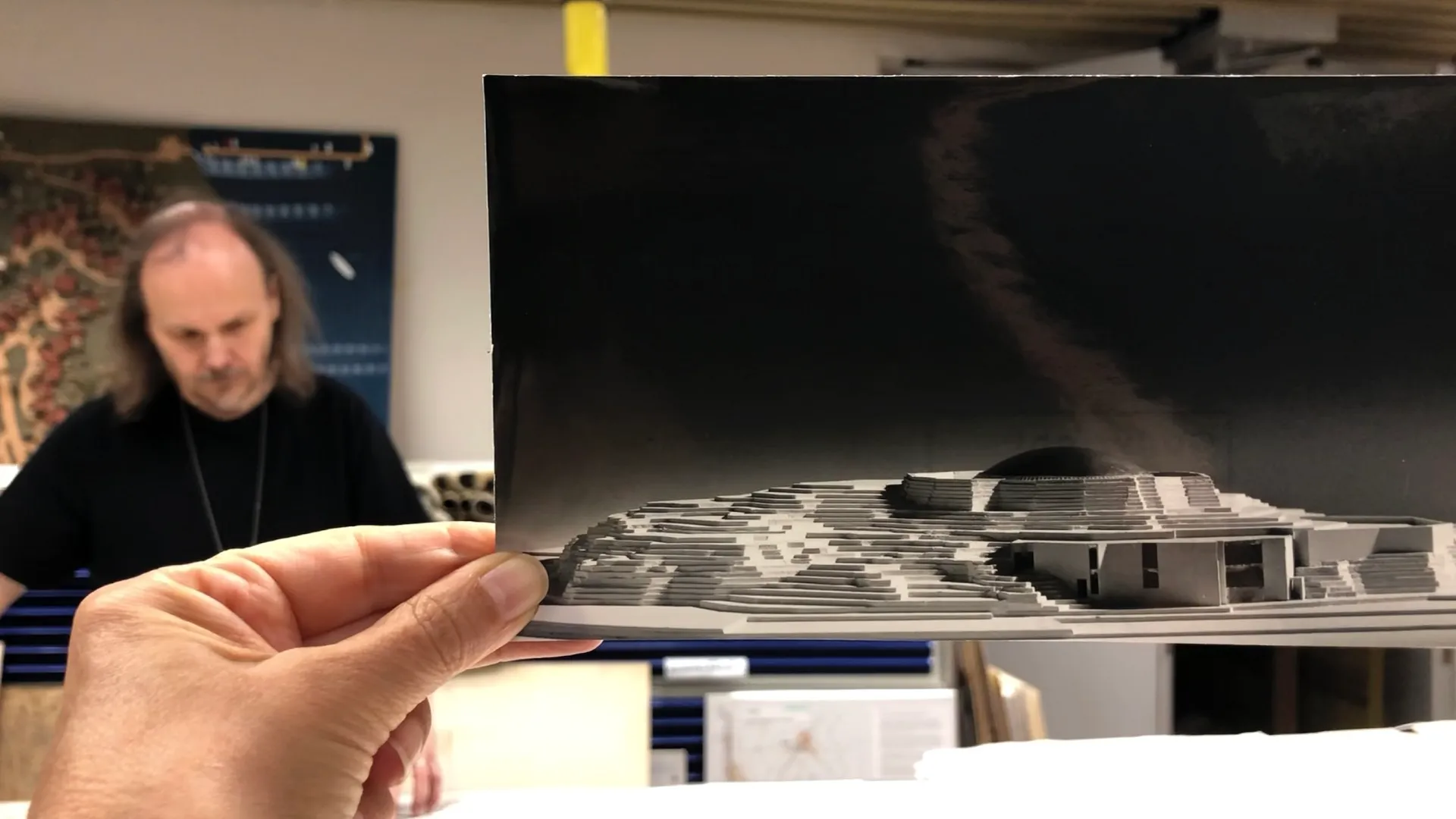
ภาพจากสารคดีเรื่อง On the Tenderness of Men แด่ผู้ที่ไม่ถูกจดจำ
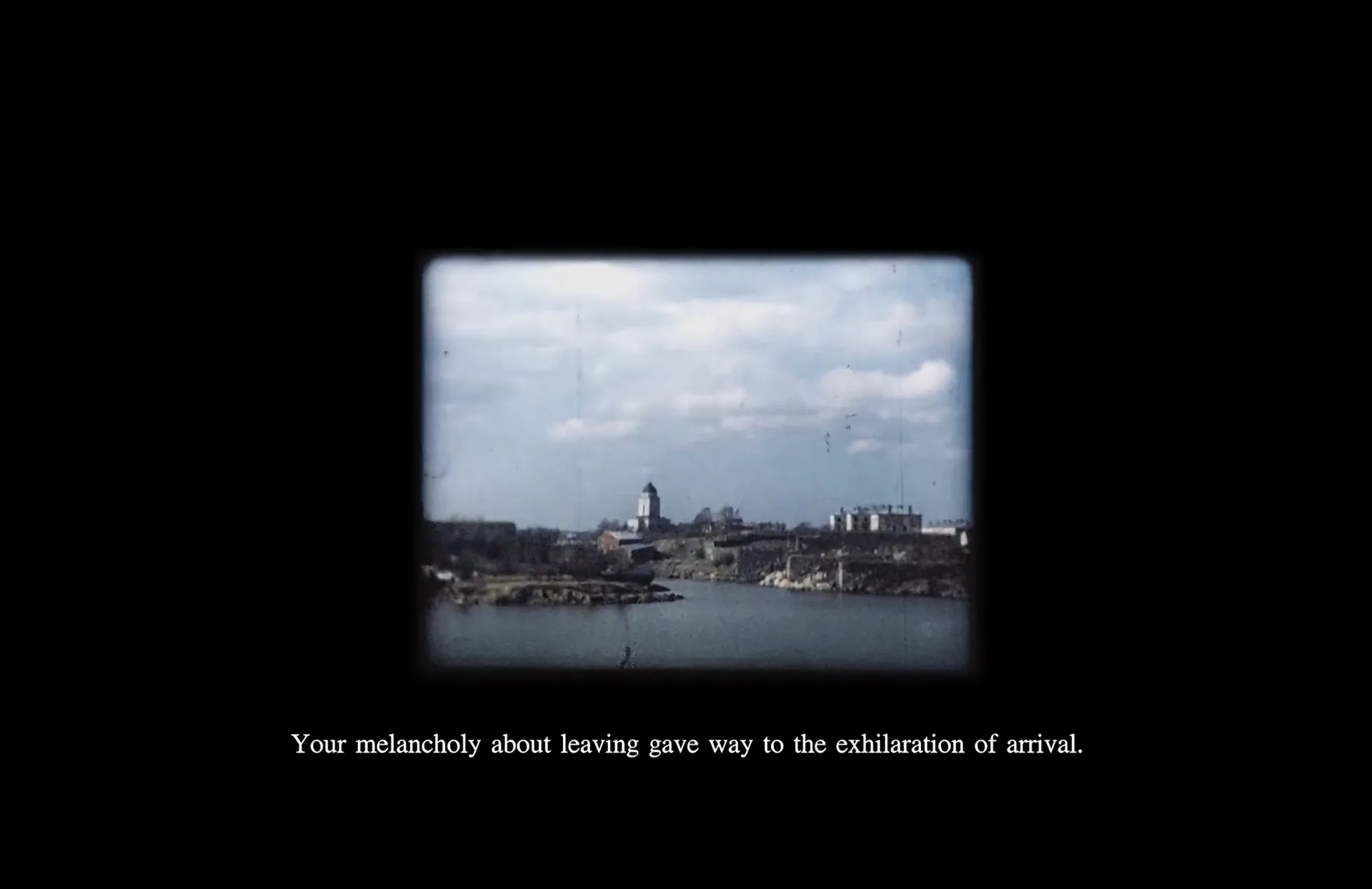
ภาพจากสารคดีเรื่อง On the Tenderness of Men แด่ผู้ที่ไม่ถูกจดจำ
Another event that caught Norouzi’s attention took place on July 16–17, 1968, when the church was nearing completion. A group of Christian students secretly entered and spray-painted the word “BIAFRA” in large letters on the wall—later recorded as the first graffiti in Finland’s history. Their act was meant to question society: why build a luxurious church at a time when so many children were dying of starvation during the Nigerian–Biafran Civil War.
This story led Norouzi to reflect on the present-day conflict in Gaza. From that point, she began to imagine the connections between all these narratives—each revolving around “ordinary people forgotten by history,” whether migrants, construction workers, or those forced to leave their homes due to war and pandemics.
Norouzi is both a filmmaker and an Austrian researcher who has long studied documentary film. She earned her PhD from Goldsmiths, University of London, and conducted postdoctoral research at the University of Helsinki. She also founded the research project Revolutionary Patience, which explores documentaries by women and non-binary directors from the SWANA region (Southwest Asia and North Africa) who have experienced displacement. All of this makes On the Tenderness of Men not just a film about a single church, but a product of deeper reflections on the relationship between displacement, memory, and cinematic language.
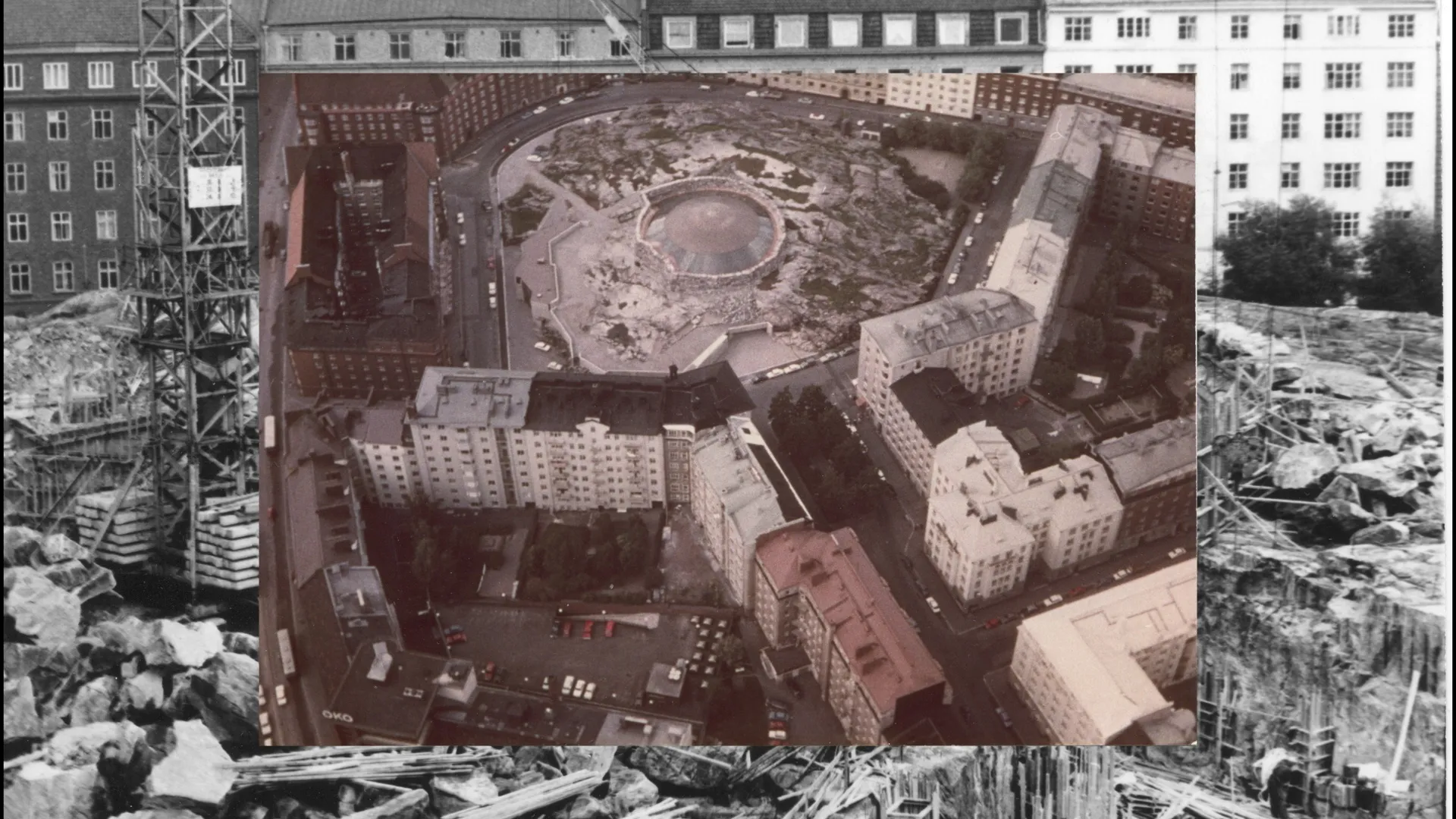
ภาพจากสารคดีเรื่อง On the Tenderness of Men แด่ผู้ที่ไม่ถูกจดจำ
The film’s storytelling follows the tradition of the essay film, or audio-visual essay, which transforms a “written essay” into the language of moving images. Norouzi uses a female voiceover as a “ventriloquizing narrator”—a voice that speaks on behalf of things that cannot speak for themselves. Meanwhile, the events in the film overlap across both space and time. This is not intended to confuse the audience, but rather to reflect that history itself is not linear, and that the brutality of the past does not simply end just because time has passed.