Echoes of Rust: When Yesterday’s Pride Becomes Today’s Prison
Read 0
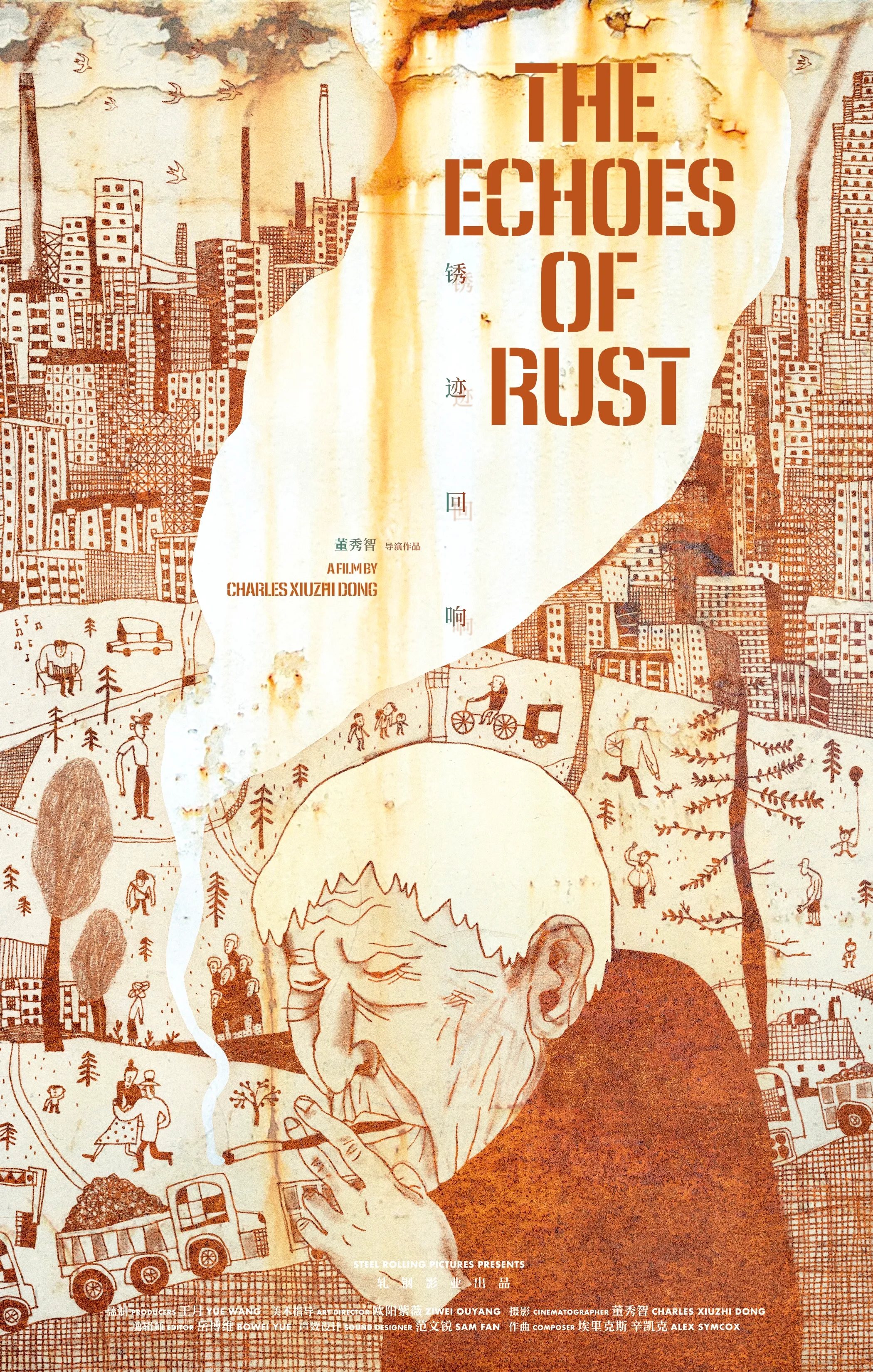
If Anshan Diaries is about digging up secrets hidden under the rug, Charles Dong’s The Echoes of Rust is about stepping into an empty room to listen to the reverberations of failure. This documentary does not focus merely on who did wrong in the past or what secrets were buried in the bloodline. Instead, it poses a subtler, more piercing question for later generations: “When the machines stop turning, how will those left behind go on living?” after the steel factories that once stood as the nation’s heartbeat become nothing more than worthless ruins.
Dong takes us to confront truths that the grandfather’s generation can hardly bring themselves to admit — namely, the ideology of Chairman Mao Zedong, which once elevated steelworkers into the “backbone” and elite class of Chinese society. Today, that ideology has long expired. The image of Dong’s grandfather still sitting in a decaying house, clutching his medals and old memories, is a striking paradox. While the grandfather remains proud of the “honor” once bestowed by the state, the grandchildren beside him must face the harsh reality that those medals cannot buy them even the smallest piece of a future.
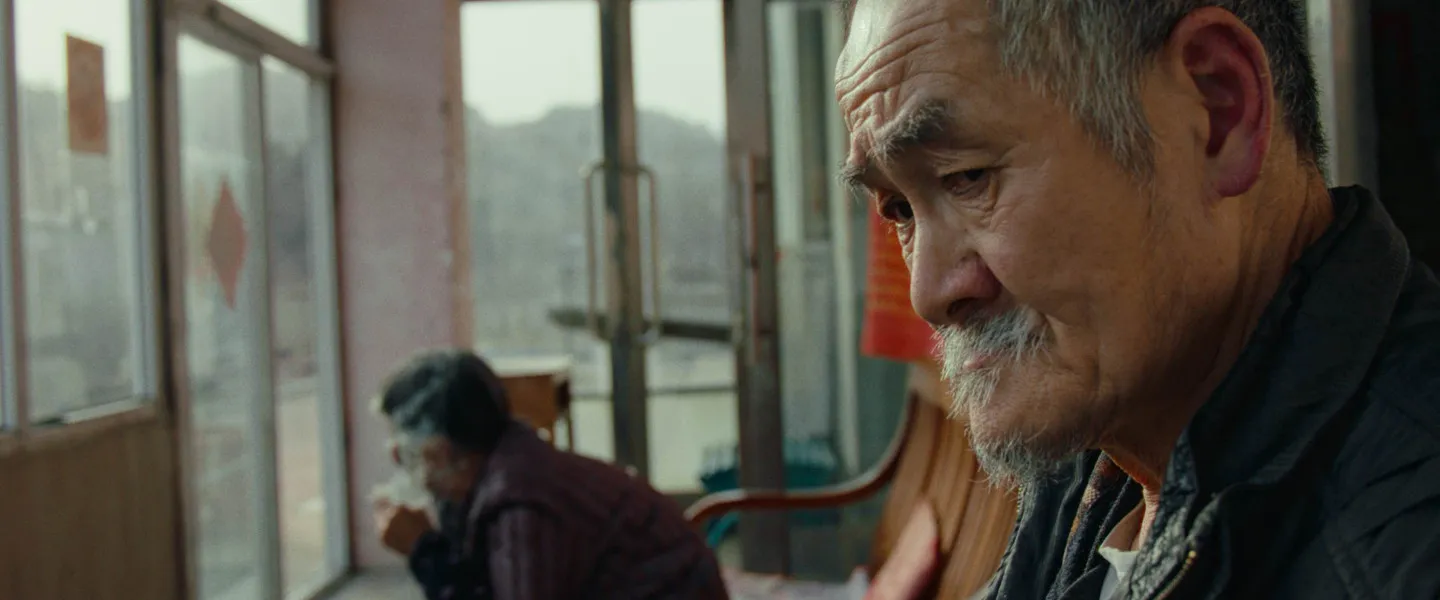
ภาพจากสารคดี The Echoes of Rust - เสียงสะท้อนจากคราบสนิม
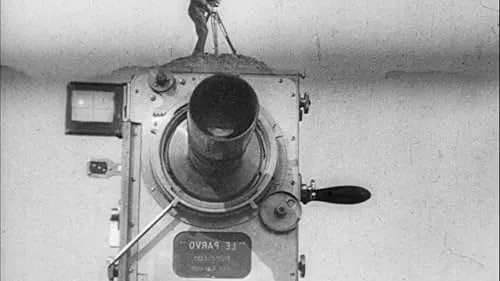
ภาพจากสารคดี The Echoes of Rust - เสียงสะท้อนจากคราบสนิม
The lives of Anshan’s descendants resemble those tasked with “tending an industrial graveyard.” While their grandfather was once praised as a nation‑builder through sweat and toil, he may have forgotten to leave behind a “survival manual” for the modern world. The inheritance passed down through blood is not lasting wealth, but rather “skills the world no longer needs.” This generation seems to have unintentionally missed China’s high‑speed train, growing up in an atmosphere saturated with the dead hopes of those who came before.
What Dong bites into most subtly is the system’s “indifference” — a system that once promised to take care of its people forever. The state used the dreams and labor of the grandfather’s generation to build the nation to its fullest, but left behind the “sediment” of failure in the living rooms of nearly every household in Anshan.
The descendants in this story are therefore not pitiable losers, but rather “forgotten victims,” quietly asking themselves whether the grandfather’s total loyalty to the state — given at the cost of everything — ever truly came back to safeguard the breath of those who must now bear the consequences.
The Echoes of Rust is a memoir that quietly yet piercingly questions “the price of dreams.” Dong does not resort to harsh words; instead, he uses images of emptiness and rust as metaphors to ask whether the nation’s grandeur was built at the expense of the fragility of life and the future of its descendants — and whose success it truly was. He shows us that while communism may once have forged stronger steel, it also risked turning the hearts of the younger generation into rust, leaving them without a place to stand, alongside the ruins of those factories.
In the end, this documentary whispers to us that a past once seen as glorious and powerful can become the most dangerous trap if we do not dare to step out of its shadow. And perhaps, allowing the rust to consume those ruins entirely may be the only way for the younger generation to finally begin a life that truly belongs to them.
About Author

บอส หลงอินเดีย
นักเขียนผู้รักประวัติศาสตร์และความแตกต่าง ที่หลงใหลการเดินทางและการจดบันทึก เพื่อเข้าใจความคิดผู้คนต่างวัฒนธรรม