Anshan in Memory: When Home Secrets Collapse Alongside the Walls of Ideology
Read 0
On the day the world gazes at China’s grandeur through the dazzling lights of its capital and the soaring skyscrapers rising at breakneck speed, filmmaker Charles Dong chooses instead to lead us back into the shadowed corners of unresolved memory — to the city of “Anshan”, once an industrial steel hub that served as the backbone of the nation. The documentary Anshan Diaries is a kind of “house‑unraveling,” an excavation of what lies beneath the seemingly perfect and disciplined image of a communist family — exposing the hidden fractures and the painful silences that linger within.
Dong draws on old footage he filmed in the 1990s, a time when smoke from Anshan’s factory chimneys still filled the sky, to retell. In the eyes of the state back then, that smoke was a symbol of prosperity and progress. But in Dong’s eyes today, those images appear somber and full of questions — especially when we look back to the era of “Mao Zedong,” when communism was not merely a national policy but a life compass that everyone was required to follow strictly. Dong’s grandfather embodied the cog in the machine, devoting himself wholeheartedly to this ideology in the name of nation‑building. Yet that seemingly noble loyalty came at the cost of “abandoning one’s humanity” and submitting entirely to the system, to the point of forgetting his own true feelings.
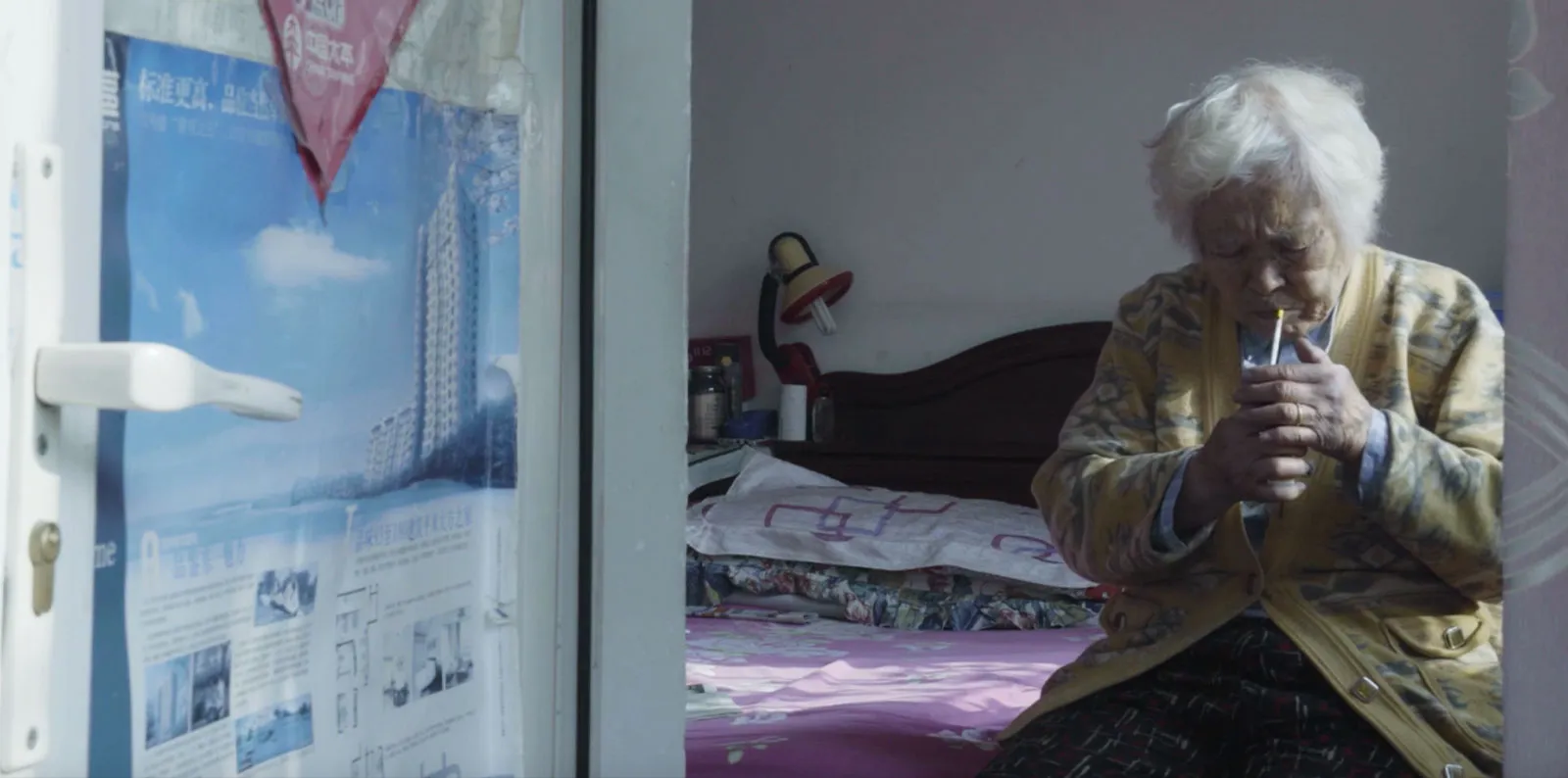
ภาพจากสารคดี Anshan Diaries ไดอะรีเมืองอานชาน
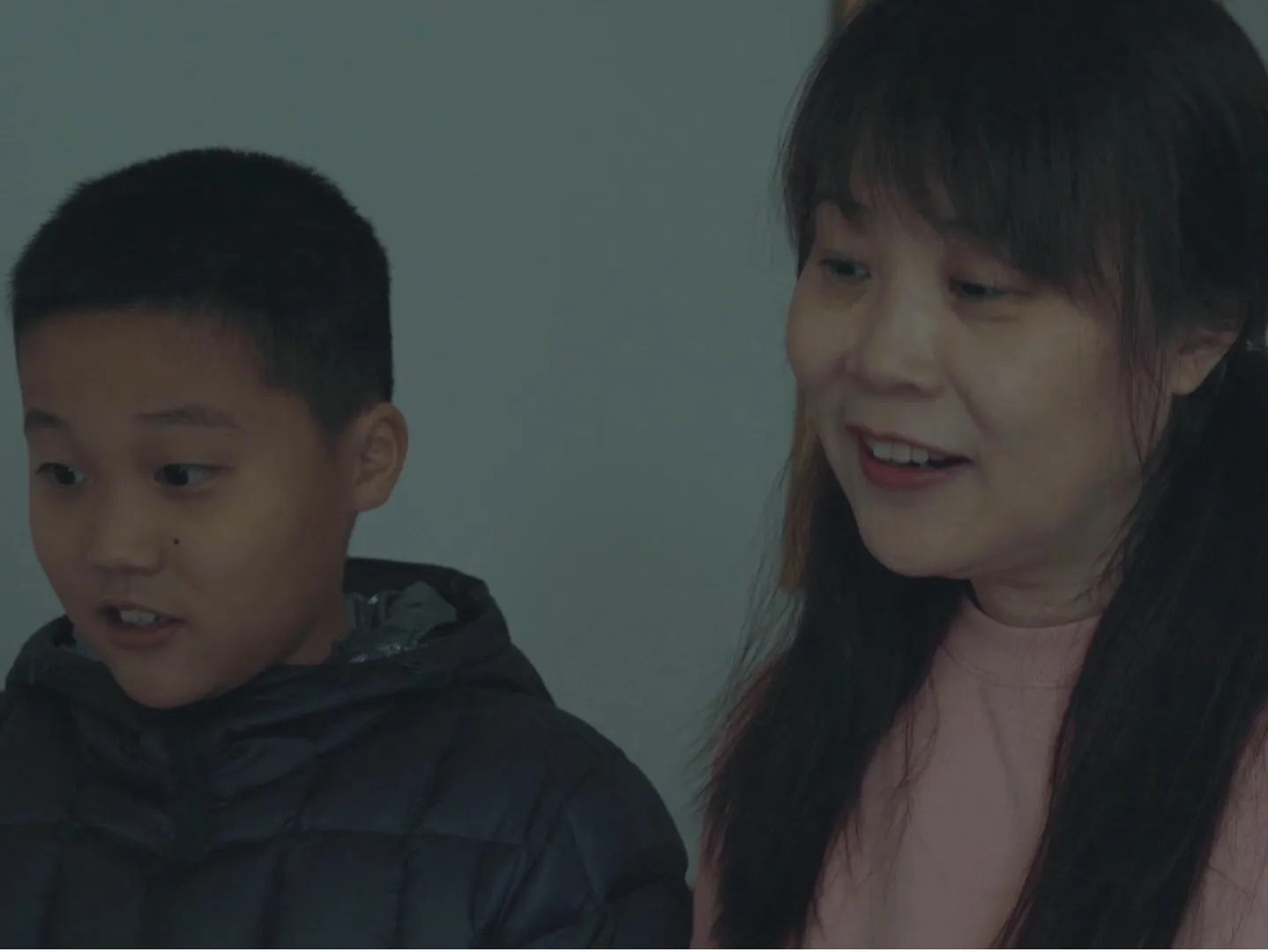
ภาพจากสารคดี Anshan Diaries ไดอะรีเมืองอานชาน
To draw a vivid comparison, the history of Anshan is not unlike steel that has been repeatedly smelted at extreme temperatures until it loses its shape. The state of that era wanted everyone to become faceless, emotionless cogs driving the massive machine called the nation. Yet in reality, Dong’s family was filled with the complexities of human emotion.
There was love, coated with control, and fear so deeply rooted it could not be pulled out. This family’s story mirrors that of millions of Chinese households forced to conceal secrets behind the mask of being a “model family.” In an era when ideology was so intense it bordered on fanaticism, even the slightest dissent or minor mistake could mean being branded an enemy of the state — and lead to an unimaginable end.
The outcome of Dong’s grandfather’s devotion was not only medals of honor, but also a lingering paranoia. That tension was passed down to the next generation, becoming an invisible wall that blocked warmth within the home for decades.
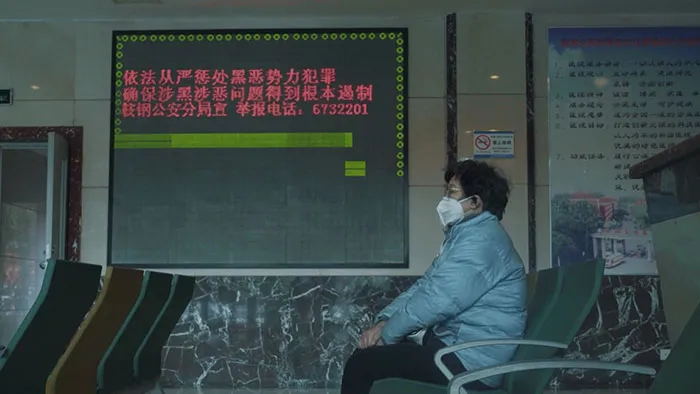
ภาพจากสารคดี Anshan Diaries ไดอะรีเมืองอานชาน
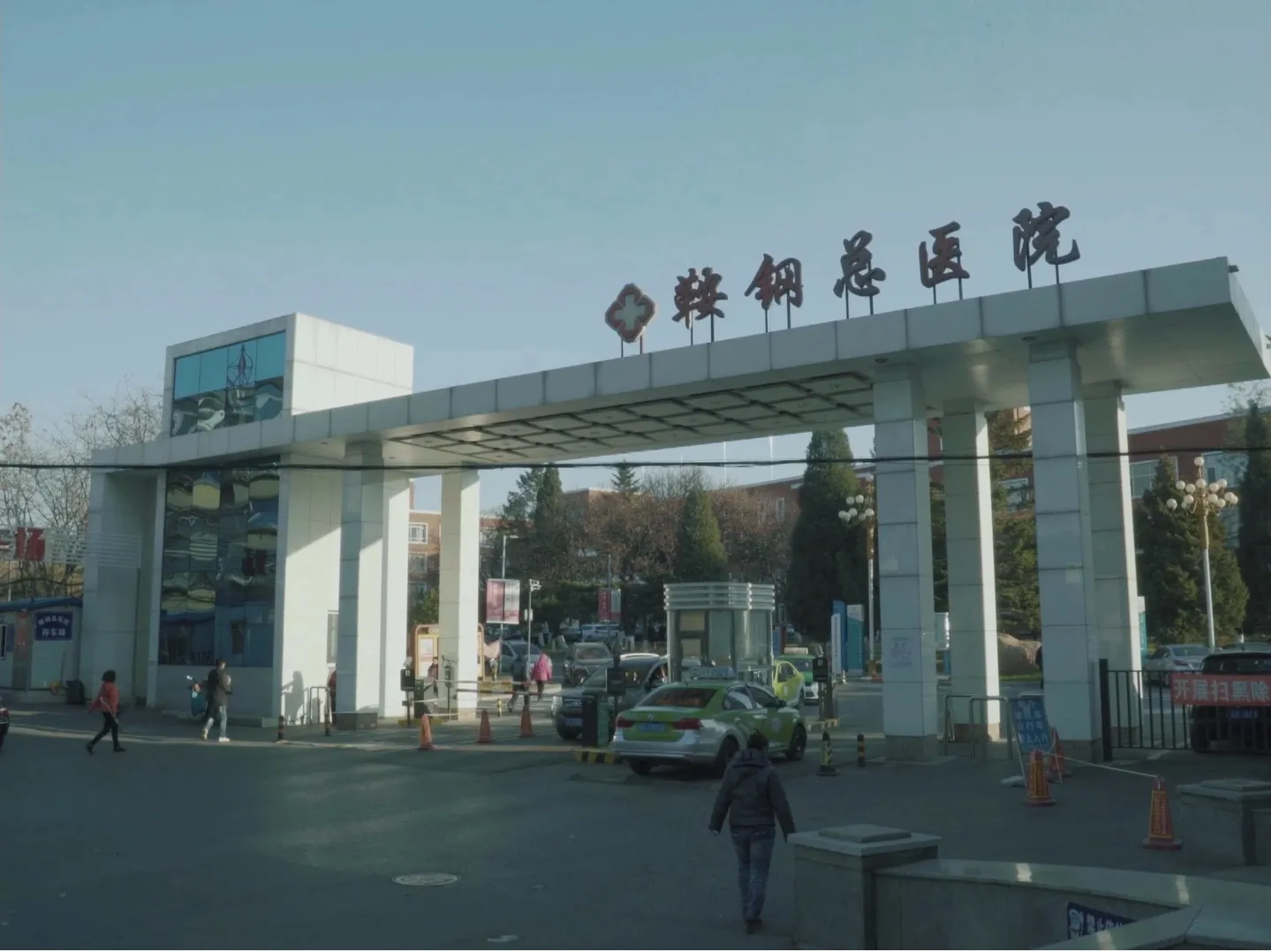
ภาพจากสารคดี Anshan Diaries ไดอะรีเมืองอานชาน
From a critical perspective, Charles Dong’s work is profoundly courageous in questioning “Chinese filial piety,” which has often been used as a tool to hypnotize later generations into silence about the mistakes of those who came before. As a member of the younger generation who grew up with a video camera in hand, Dong views his own family with eyes that are both loving and wounded. He does not see his grandfather as a heroic nation‑builder, but rather as a “victim” of a system that crushed him to pieces.
This documentary shows that the wounds of past politics have not disappeared with time; instead, they have become “spiritual scars” passed down in the quietest of ways. And those who bear the heaviest burden of this broken legacy — the true “inheritance of sin” — are the children and grandchildren, forced to carry the weight of collapsed expectations.
Anshan Diaries is therefore not a celebration of Anshan as a great steel‑producing base, but a requiem for the spirit of people who were melted away in the furnace of national ideology. It teaches us that recording personal stories is the most powerful weapon against a history that tries to erase us. Because, in the end, the cruel truths within the home are worth more than the polished lies written on the state’s official history.
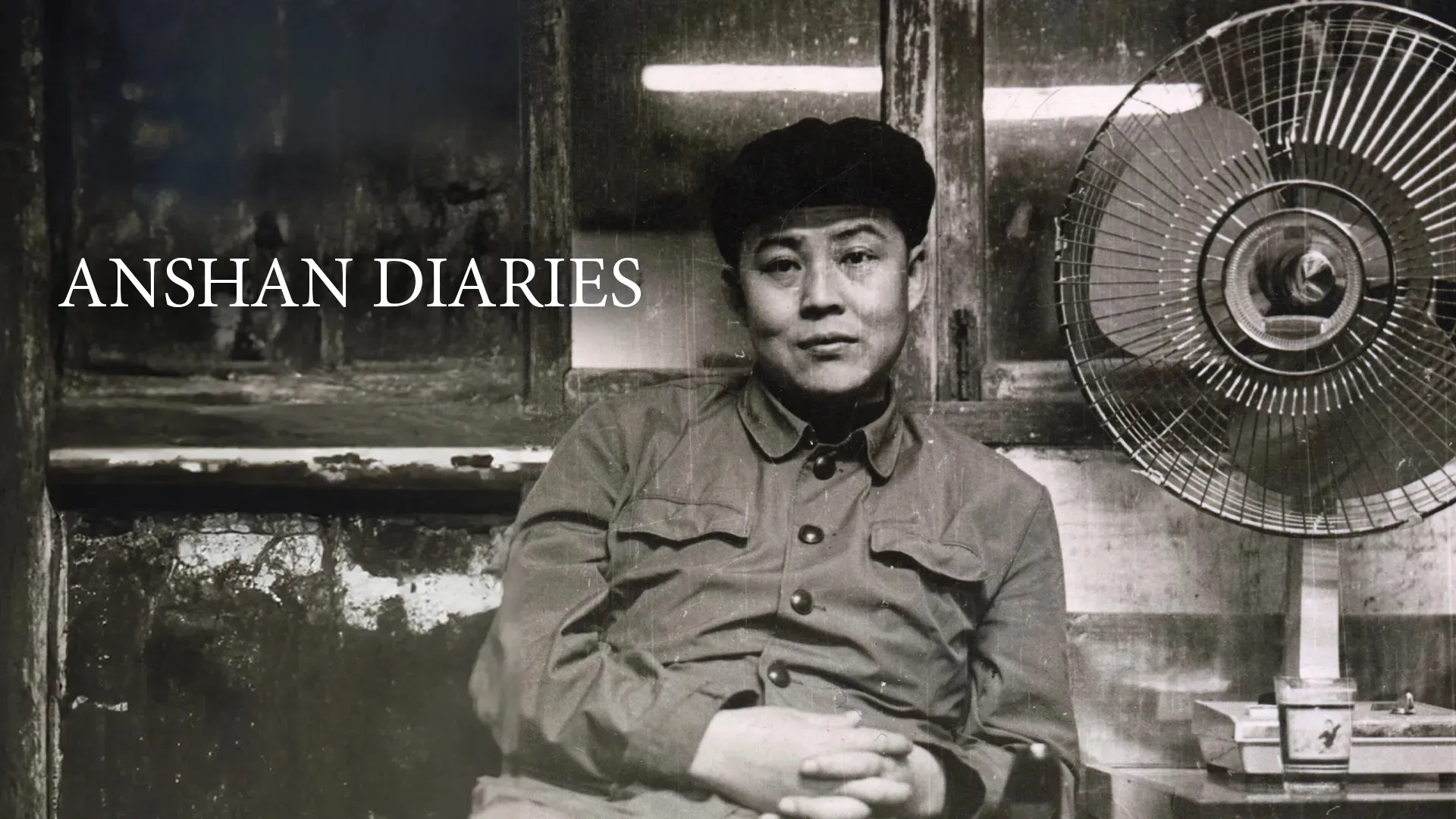
ภาพจากสารคดี Anshan Diaries ไดอะรีเมืองอานชาน
About Author
บอส หลงอินเดีย
นักเขียนผู้รักประวัติศาสตร์และความแตกต่าง ที่หลงใหลการเดินทางและการจดบันทึก เพื่อเข้าใจความคิดผู้คนต่างวัฒนธรรม