In a city where every street is named after a poet
Read 0
Every street in this city is named after a “poet,” and the people live their lives in delight…
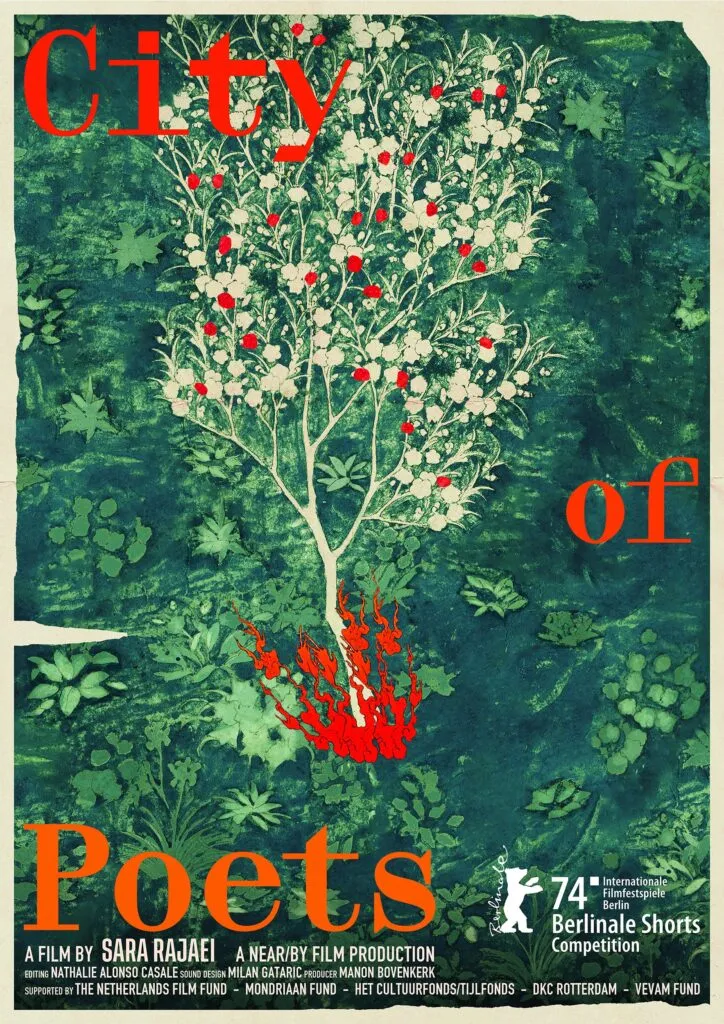
This is the opening image of City of Poets (2024), a 21-minute short documentary by Iranian-Dutch director Sara Rajaei, which premiered in the Berlinale Shorts section before traveling from Berlin to Hong Kong and Madrid, and eventually winning the Golden Calf for Best Short Documentary at the Netherlands Film Festival, the Best Short Film award at the Sole Luna Doc Film Festival, and the Best European Short Film award at the European Film Awards.
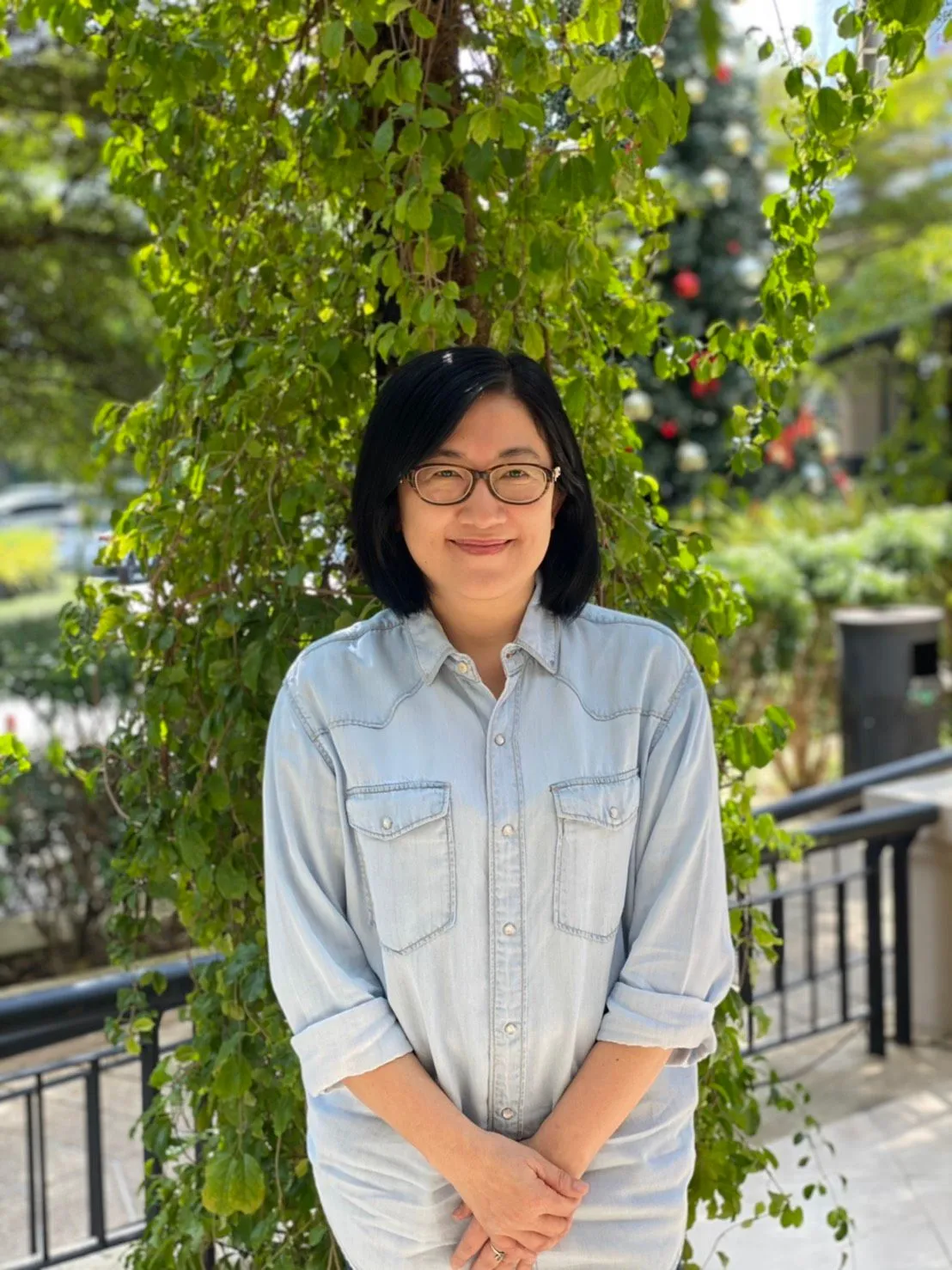
Before talking about the film itself, let’s take a moment to get to know the filmmaker. Rajaei was born in Iran in 1976. She studied art at the University of Art in Tehran before moving abroad to continue her studies at the Royal Academy of Art in The Hague, the Netherlands. She was also selected for a residency at the Rijksakademie van Beeldende Kunsten in Amsterdam, one of the most prestigious artist residency programs in Europe. In 2009, she received the Prix de Rome, one of the Netherlands’ most important awards for emerging artists.
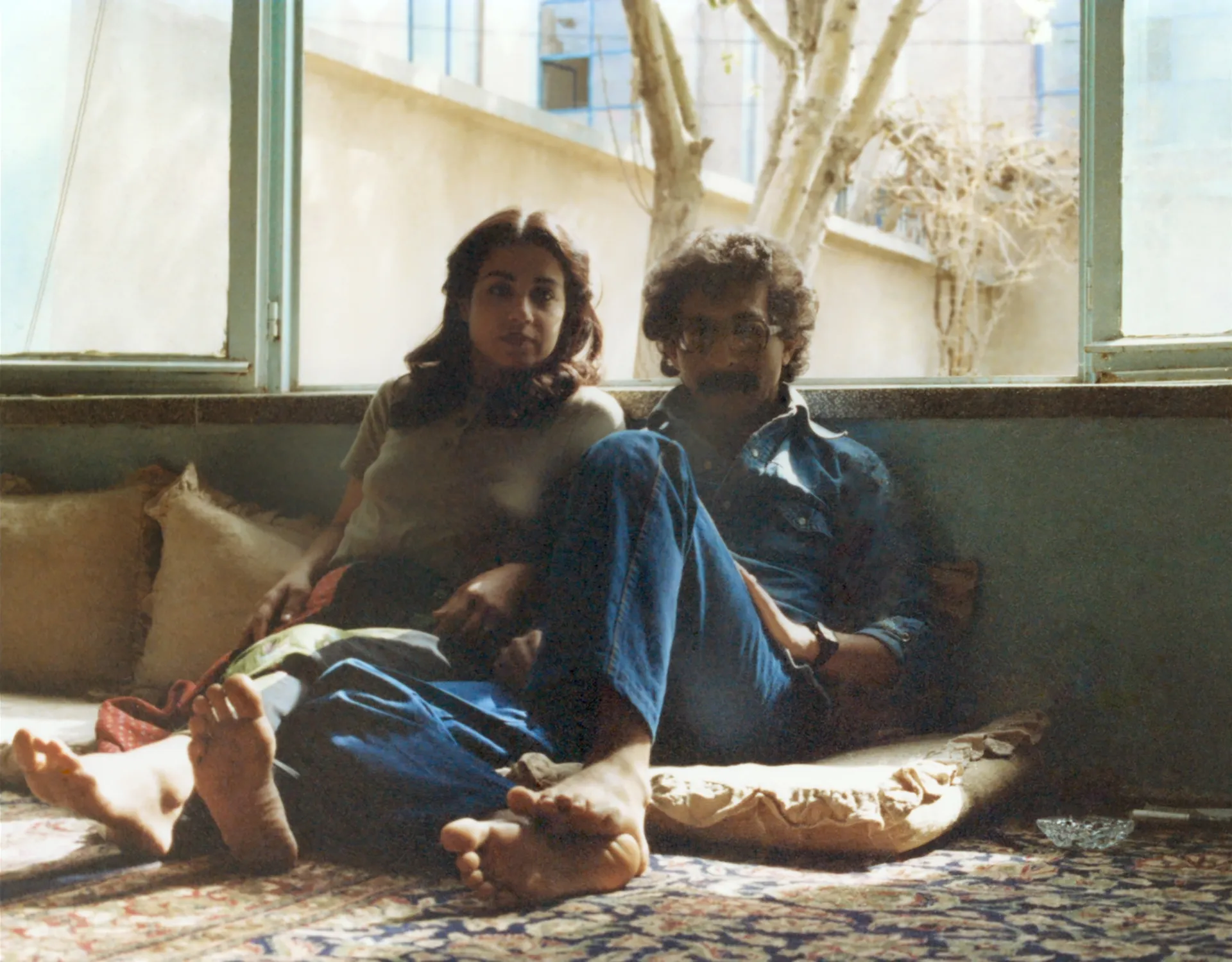
ภาพจากสารคดี City of Poets นครแห่งกวี
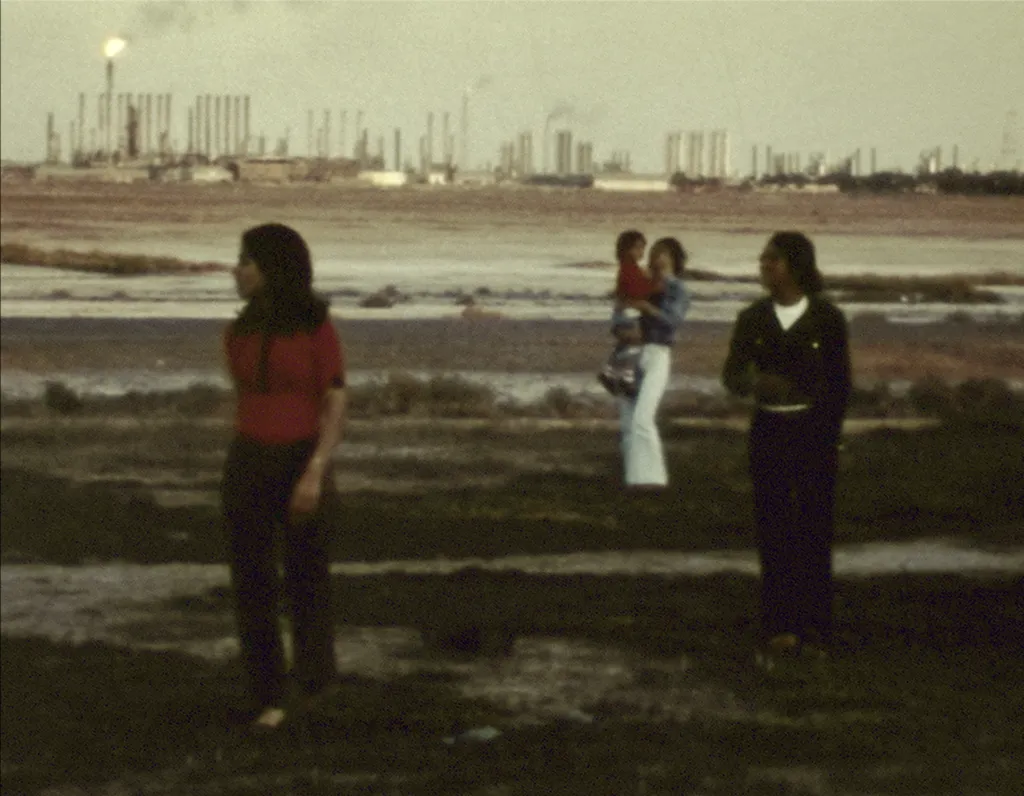
ภาพจากสารคดี City of Poets นครแห่งกวี
Rajaei works in the space between short films, video installations, and painting. She once described the central theme of her work as follows: “I study the concept of time across dimensions and disciplines, analyzing the passage of time through historical events, human tragedies, and various catastrophes.” Although this may sound intense, her films often begin with small, intimate details. For example, Still Life (2011) is a short film about a young girl whose fingers slowly absorb color from a Persian carpet she gently strokes, symbolizing how cultural memory is formed through physical touch.
City of Poets follows a similar path. Rajaei’s initial inspiration came from a mulberry tree that her grandmother planted in the garden, which allowed her to absorb a sense of “home, happiness, and belonging” from childhood. But when her grandmother passed away, the tree was cut down. Through this, she learned about loss, an experience that became impossible to forget. From that single tree, her memories expanded outward — to the house, to the alley, to the street, and eventually to the entire city.
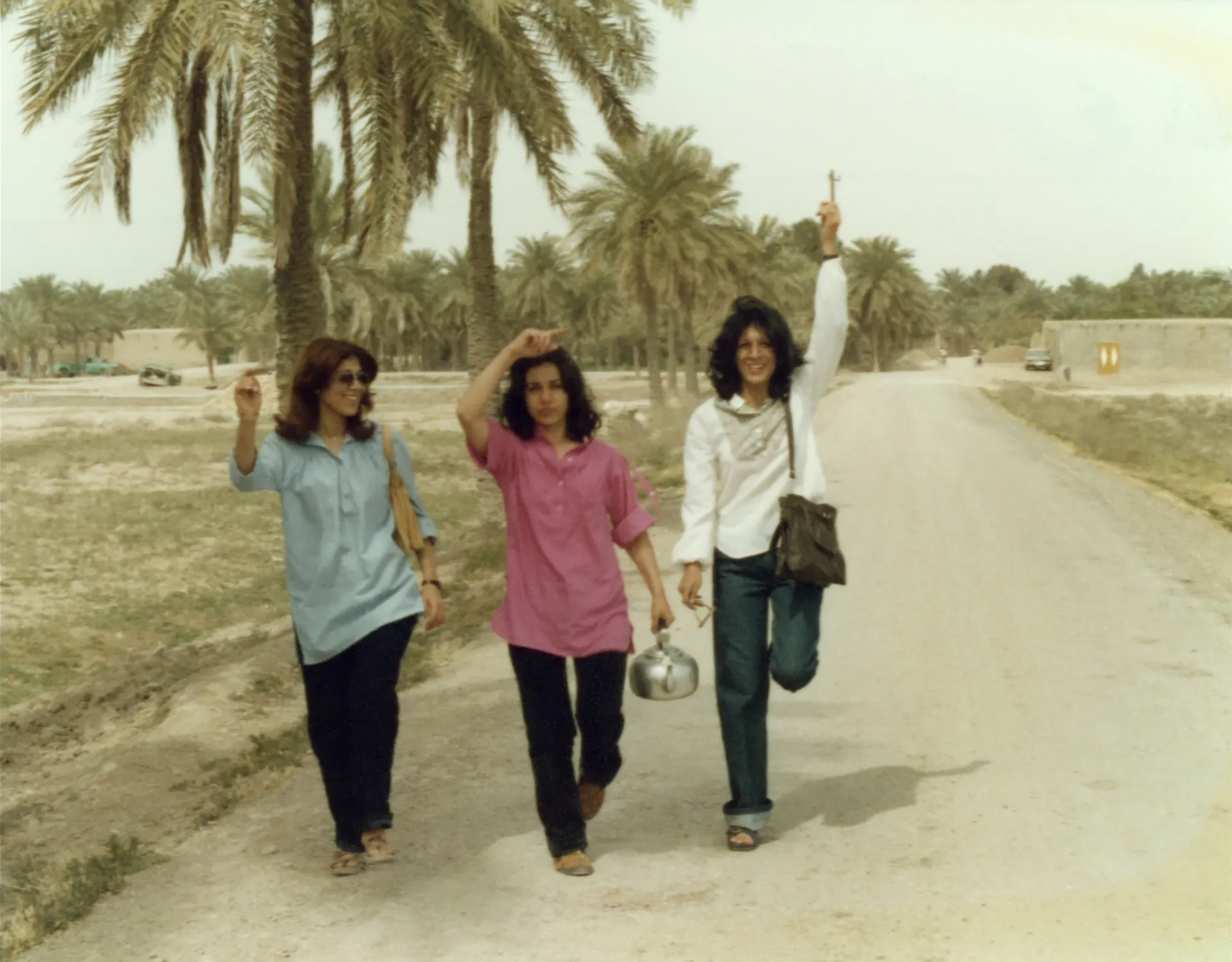
ภาพจากสารคดี City of Poets นครแห่งกวี
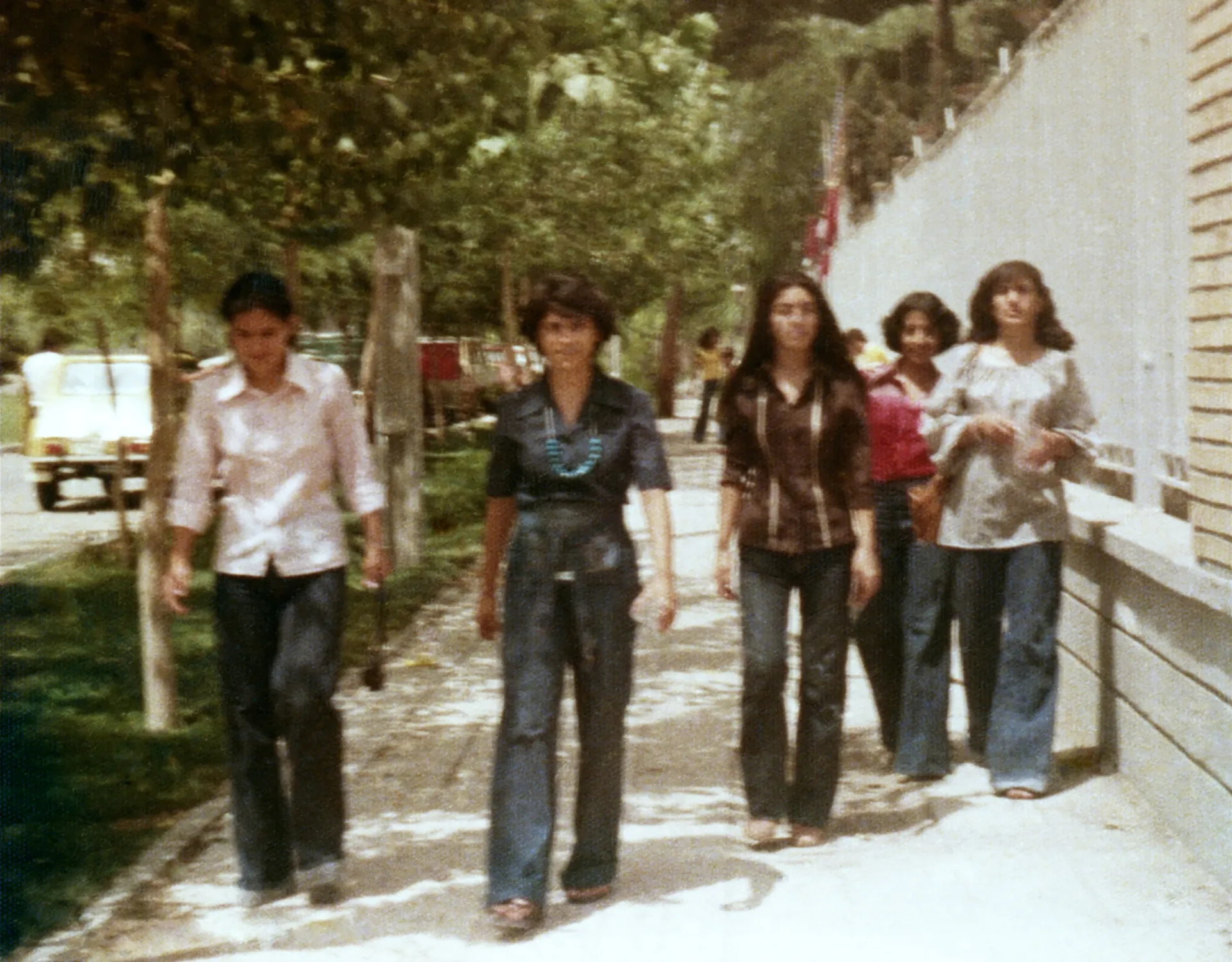
ภาพจากสารคดี City of Poets นครแห่งกวี
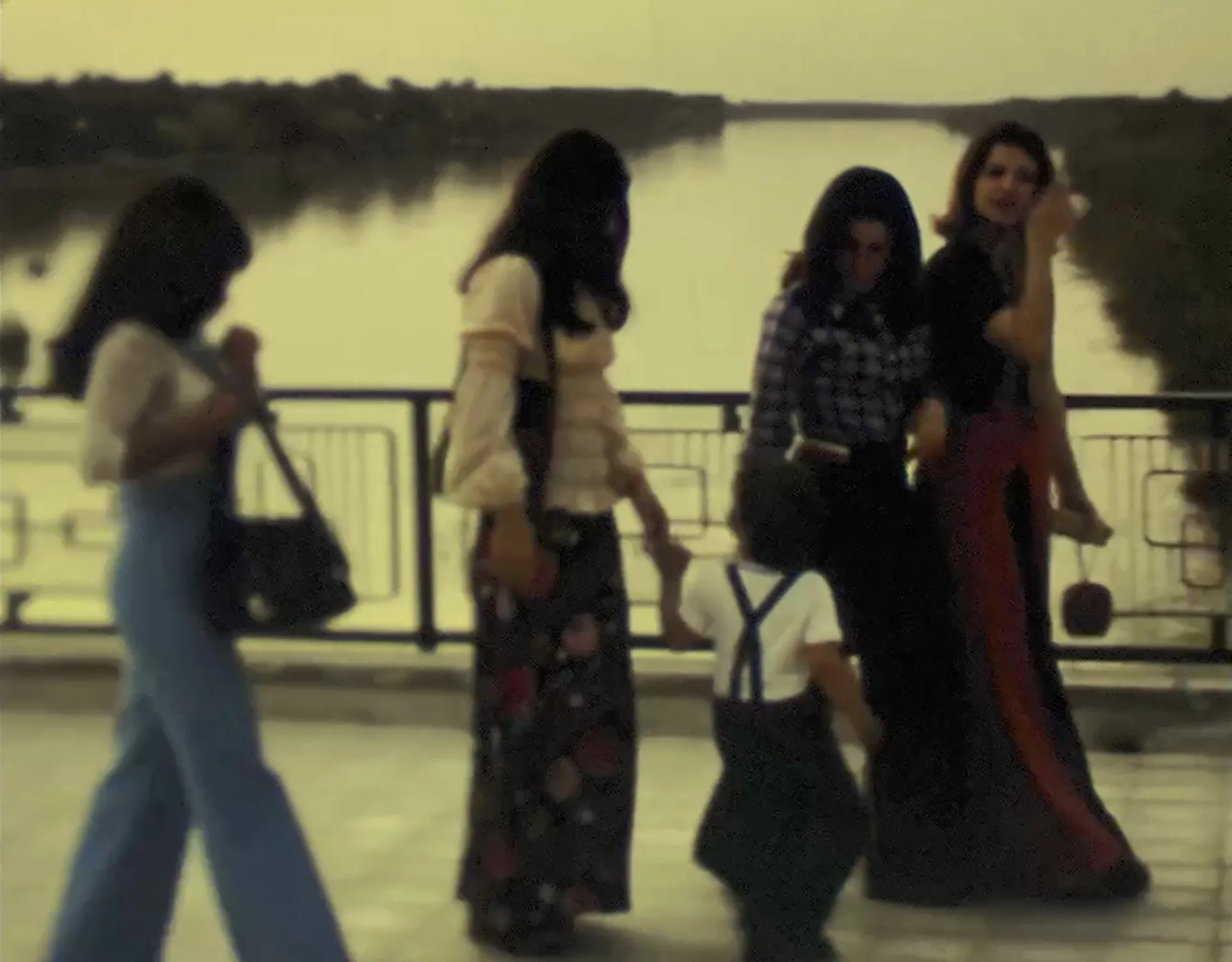
In making this film, Rajaei traveled from the Netherlands, where she lives, back to her former home in Iran to collect photographs from her mother’s side of the family, which she combined with footage and still images from the Khadem Museum. She explained in an interview:
“I took images that were extremely personal and rearranged them until they were no longer personal, turning them into a film that creates new meanings and new narratives. My parents, siblings, aunts, uncles, and cousins became representations of women, men, boys, and girls, or individuals whose histories are not something I personally know. All of it was constructed by connecting them with other images until they became an entirely new set of images.”
The film never specifies what city is being portrayed, but viewers familiar with Iranian history may be able to guess that Rajaei is indirectly referring to Iranian society, which was fundamentally transformed by both the war with Iraq and the revolution. However, the story of a city and a period of time that “choose to remember” only certain things while allowing many others to be forgotten is also a shared human experience. She spoke about this idea in an interview: “Archival images are powerful because they represent the struggles of those inhabitants in a universal way. I deliberately concealed the geographical context of the story, removing texts and street signs from the images so that the film could not be geographically located and would not shout its message too directly.”
“I construct the transformation of the city’s structure through scattered memories conveyed by narration,” she explained. “All of this is meant to respond to the most essential core of oral history, which is its fluidity. Oral history is made up of diverse sources and voices, without a fixed hierarchy, retold again and again, and changing slightly each time.
ภาพจากสารคดี City of Poets นครแห่งกวี
ภาพจากสารคดี City of Poets นครแห่งกวี
About Author