To Embrace or To Fear? Two Contrasting Visions of AI from Two Sundance Documentaries
Read 0
Over the past year, Artificial Intelligence has undoubtedly become the most debated topic within the media and arts industries. While some are exhilarated by its rapid evolution, others watch with a mix of skepticism and concern regarding the direction this technology is heading.
This sense of apprehension is clearly reflected in two documentaries that premiered at the Sundance Film Festival earlier this year. Though they take different approaches, both films move past the surface-level talk to explore how AI is truly reshaping our society.
ภาพจากสารคดีเรื่อง Ghost in the Machine
ภาพจากสารคดีเรื่อง Ghost in the Machine
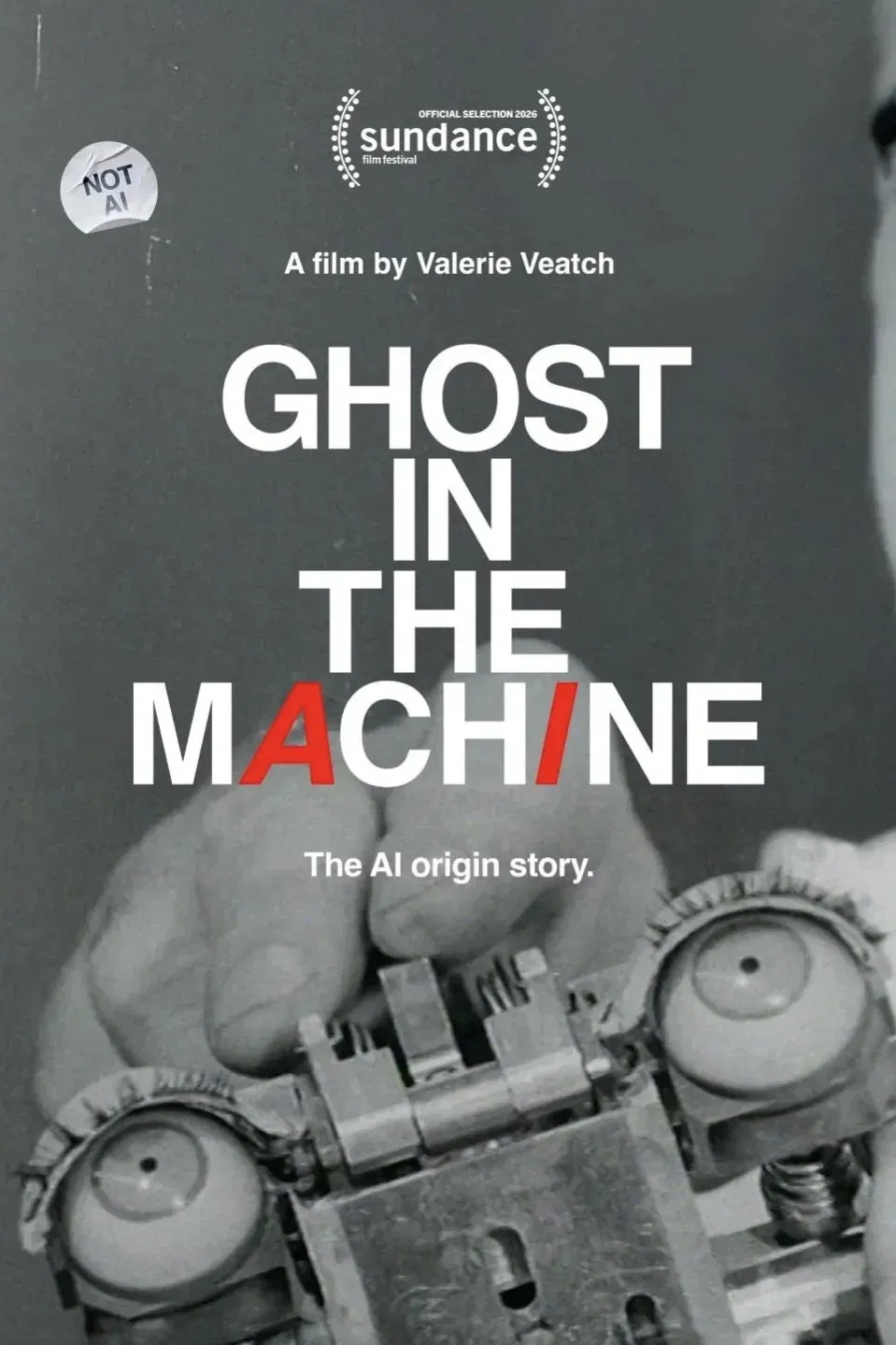
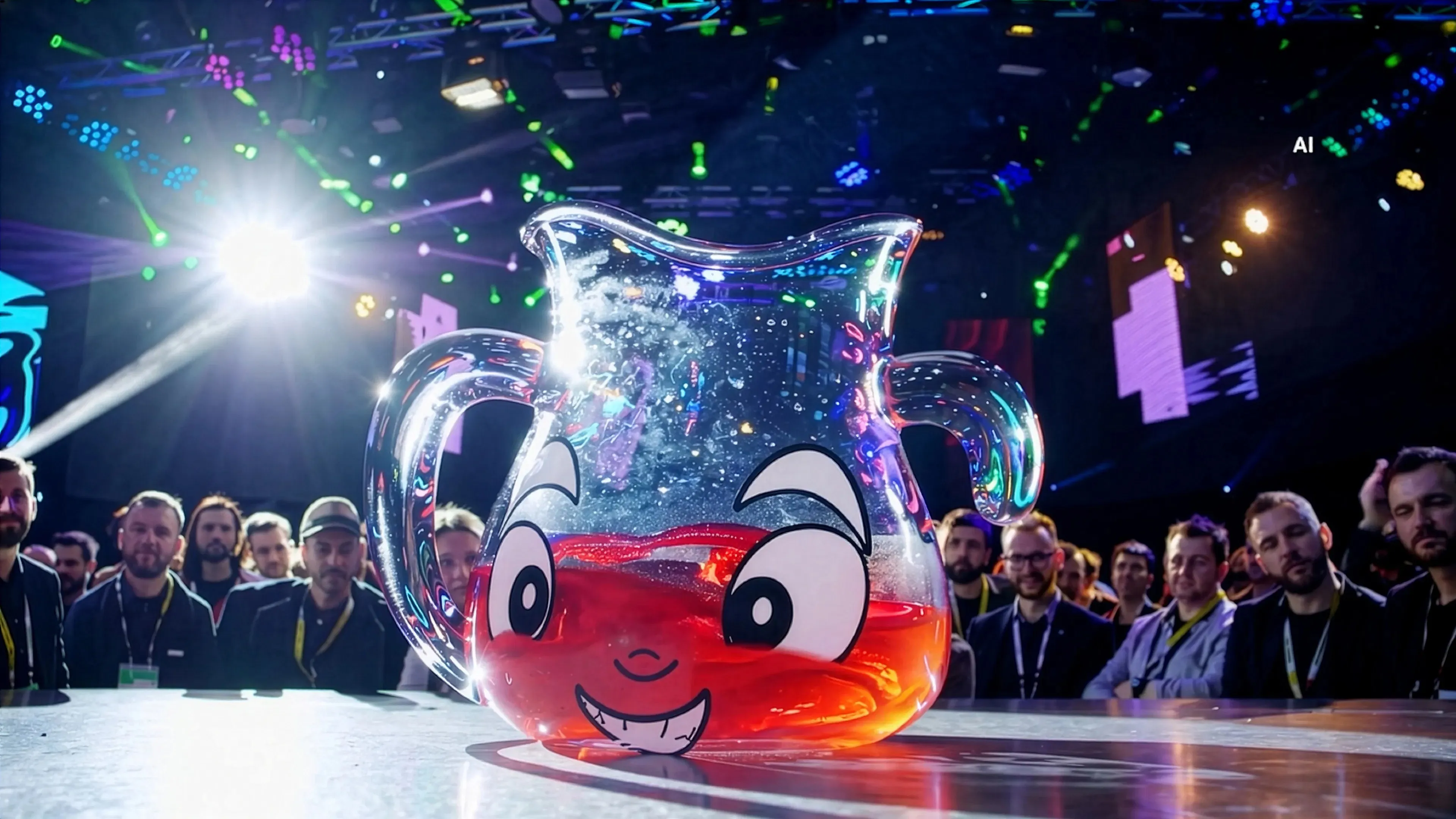
The first film, Ghost in the Machine, follows director Valerie Veatch, who drew inspiration from her personal experience participating in a project for a major AI company developing video generation tools. She noticed the system was churning out deeply disturbing content—from racial stereotypes to the blatant sexualization of women—despite the fact that she had never prompted it to do so.
This experience pushed her to discover deeper, uncovering a troubling reality: the math behind machine learning—and the very idea of 'thinking machines'—didn't just appear out of nowhere. Instead, they have deep historical ties to eugenics, a field dedicated to classifying and ranking human genetics. It forces us to ask: is the racial and gender bias we see in AI-generated clips really just an accident? Or is it a prejudice already baked into the system’s logic? If that’s the case, what does it mean for the future of our society, politics, and culture?
ภาพจากสารคดี The AI Doc: Or How I Became an Apocaloptimist
ภาพจากสารคดี The AI Doc: Or How I Became an Apocaloptimist
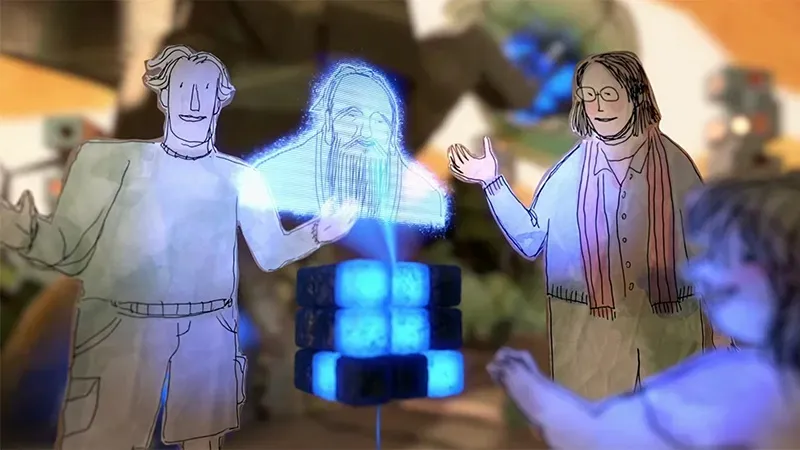
ภาพจากสารคดี The AI Doc: Or How I Became an Apocaloptimist
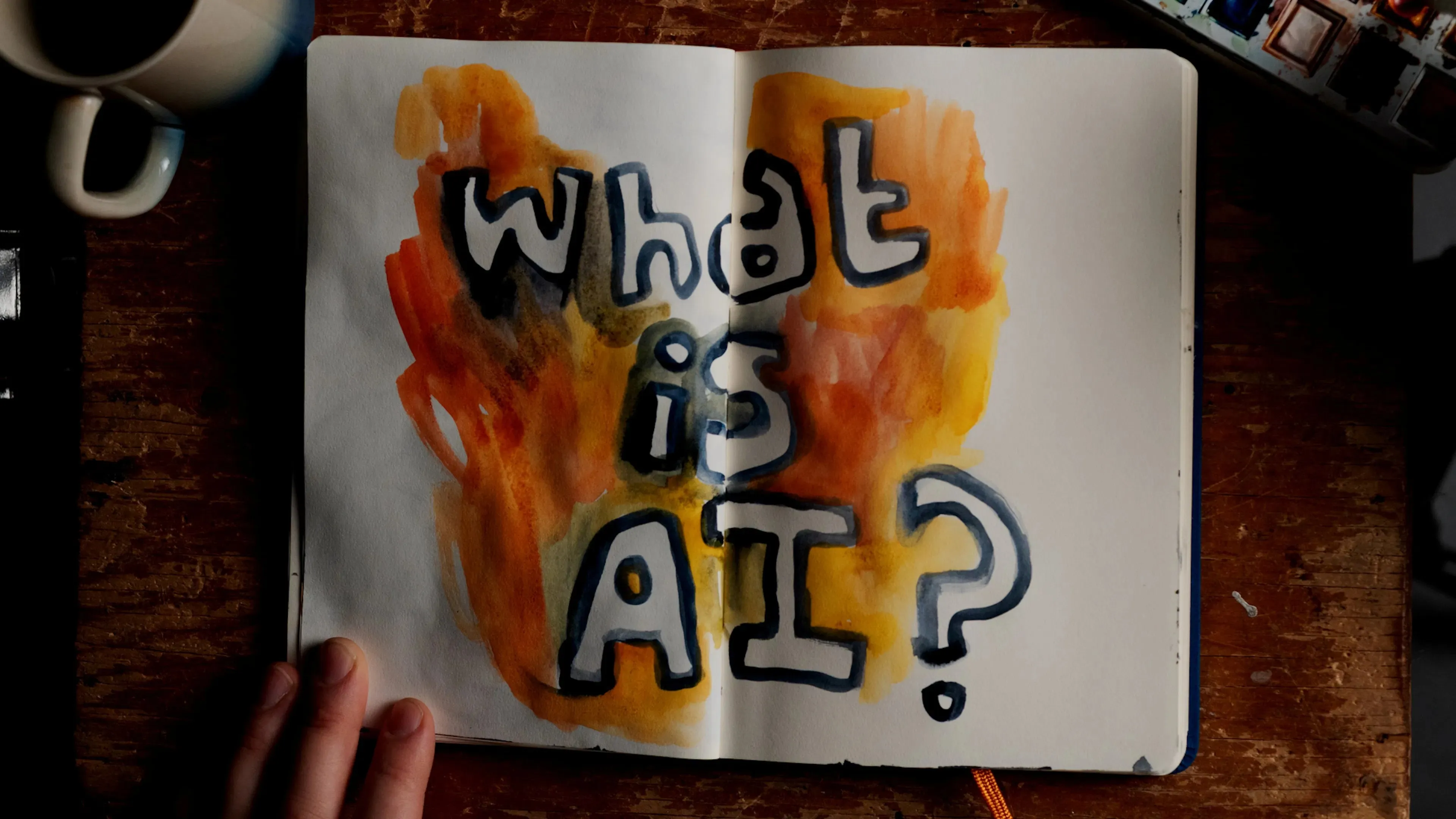
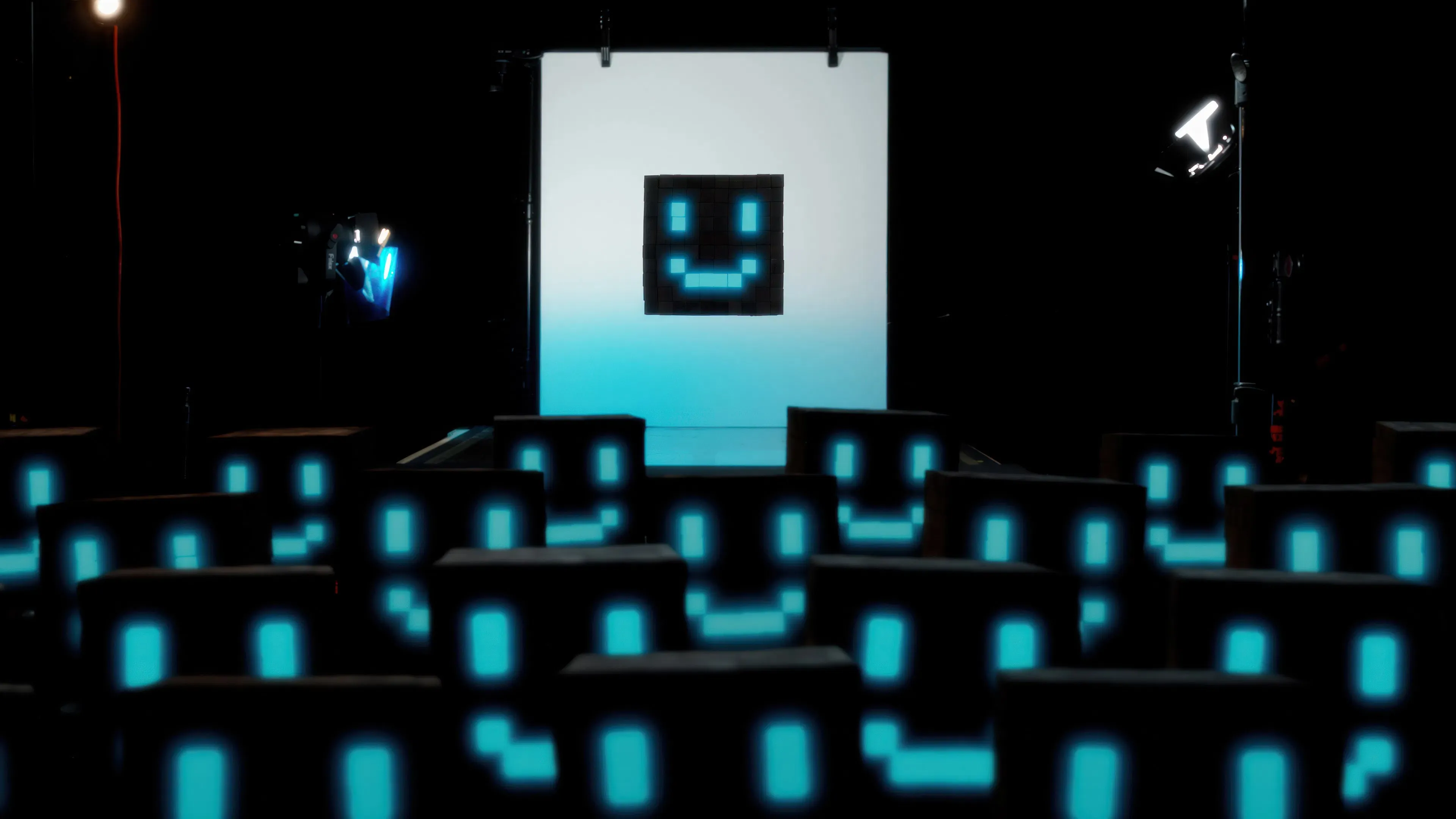
The second documentary, The AI Doc: Or How I Became an Apocaloptimist, is directed by Daniel Roher—the Oscar winner behind Navalny. The film was born from his own uncertainty and personal anxiety as a new father. Surrounded by the growing buzz surrounding AI, Roher realized he knew very little about the technology. Between the rumors and the constant noise, sparked a deep curiosity about the world his child would inherit, ultimately driving him to create this film in search of answers.
Roher begins by asking engineers to explain the fundamentals of AI. From there, his journey takes him across the ideological spectrum—from extreme pessimists who fear humanity could be wiped out within twenty years, to optimists who envision a technological utopia. The film’s title features the compelling coinage 'Apocaloptimist'—a blend of 'Apocalypse' and 'Optimist.' This term perfectly captures the essence of a person who sees AI’s positive potential while remaining fully aware of the catastrophic risks that lie ahead.
The AI Doc poses a critical question: how can we harness the benefits of this technology without steering ourselves toward a catastrophic crisis? The film’s dialogue spans a vast landscape—from technology, economics, and geopolitics to resource allocation—extending even into deep philosophical inquiries about human relationships, religion, and the very meaning of existence. Furthermore, the documentary examines the high-stakes race to develop AI among five industry giants: OpenAI, Google DeepMind, X, Meta, and Nvidia. It pointedly observes that the motivations driving these corporations may not be entirely rooted in the common good.
Neither film claims to have a final answer about where AI is taking us. Instead, they perfectly capture the tug-of-war in our hearts today: the hope that technology can solve our biggest problems, set against the fear that it might cause damage beyond our wildest imagination. But regardless of where you stand, both documentaries do the same thing—they push us to start questioning AI much more seriously than we ever have before.