Santa's Wild Home
Read 0
“Lapland,” on the Finnish side, is officially known as the birthplace of Santa Claus. When people hear the name of this land, half the world imagines the romantic figure of a kindly white‑bearded man in a red suit, riding a sleigh pulled by red‑nosed reindeer, delivering gifts crafted by tiny elves to good children everywhere.
In reality, Lapland is no less beautiful than the legend suggests. Yet it is also home to countless creatures locked in fierce struggle against raw nature—amid blizzards and temperatures plunging below –50°C. It has earned its reputation as one of Europe’s most challenging wilderness and tundra regions.
Geographically, Lapland is the northernmost region of Europe, spanning Finland, Sweden, Norway, and Russia. Finland became the custodian of the main Santa origin story because of the belief that Santa lives on Korvatunturi Mountain—the “Ear‑shaped Mountain” said to let him hear the wishes of children worldwide. Later, in 1950, Finland reinforced this legend by building a Santa’s Cabin in Rovaniemi to welcome Eleanor Roosevelt. That moment marked the beginning of the Santa Claus Village, which continues to attract visitors from around the globe today.
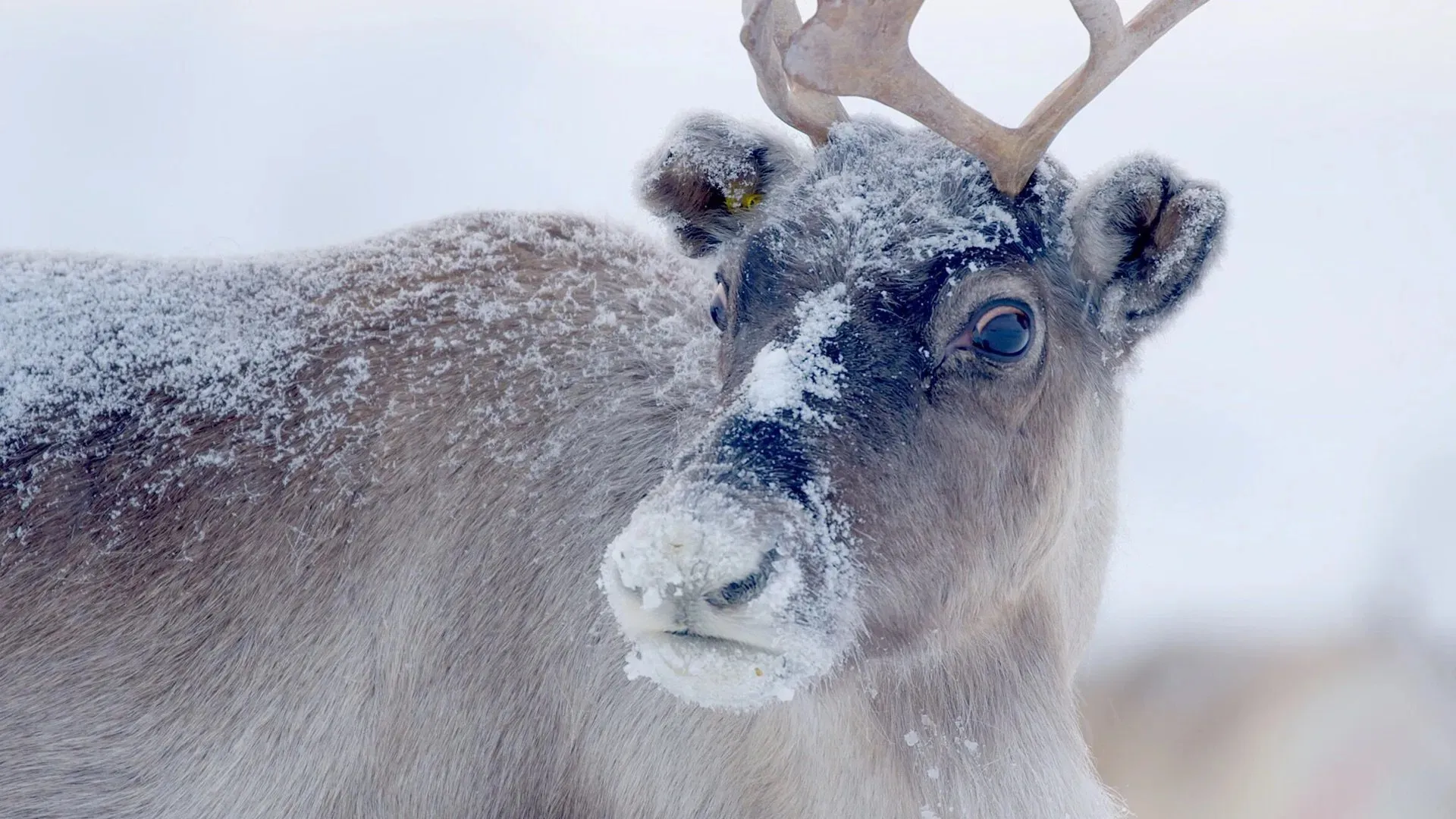
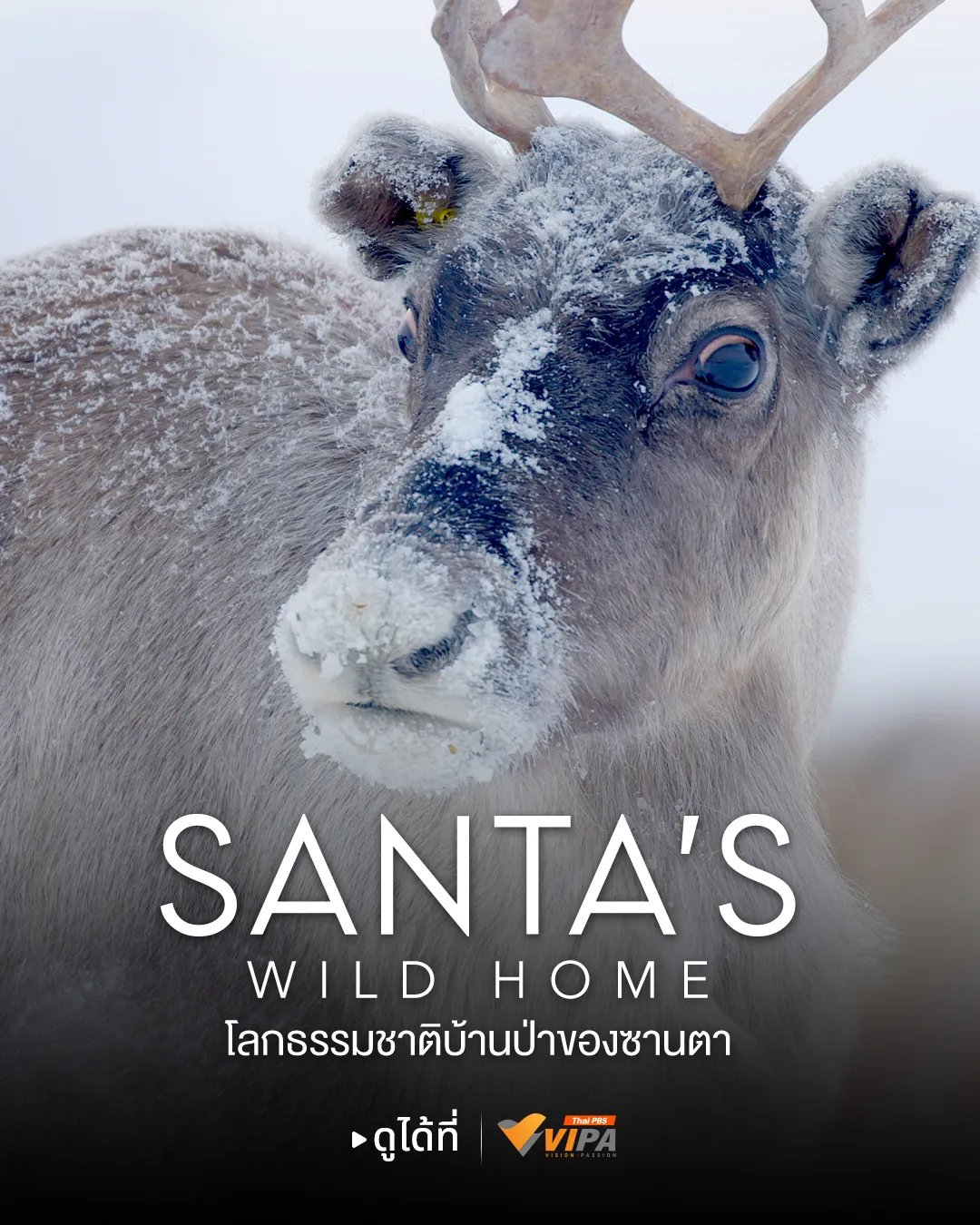
ภาพจากสารคดี Santa’s Wild Home โลกธรรมชาติบ้านป่าของซานตา
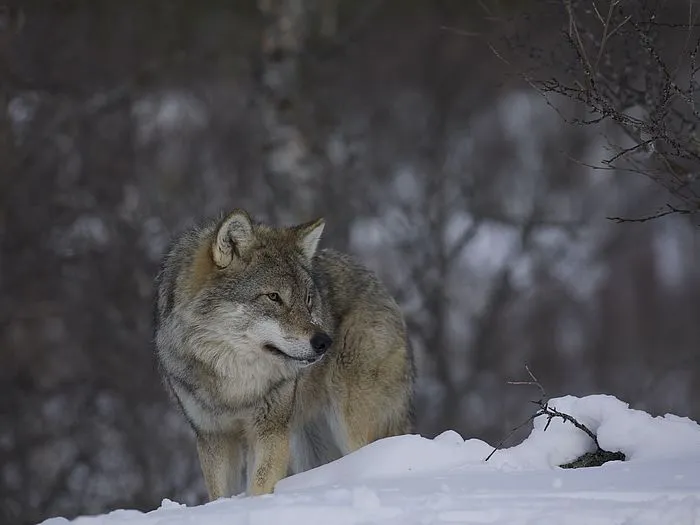
ภาพจากสารคดี Santa’s Wild Home โลกธรรมชาติบ้านป่าของซานตา
The essence of the documentary Santa’s Wild Home lies in introducing viewers to the “true inhabitants” of Lapland’s brutal climate. Vast herds of reindeer, migrating in numbers of hundreds of thousands, roam across tundra and even oceans in search of new spring pastures—before the snow grows too soft to walk upon. We will see the great grey owl, which can fly in utter silence, yet is blessed with extraordinary hearing, and can detect prey moving even beneath more than half a meter of snow. The fierce wolverine is small in size but bold enough to challenge brown bears for food. The ancient‑looking musk ox conserves energy by standing motionless for weeks to endure the cold. Last, the apex predator, the orca whale, hunts amid icy waves with unmatched skill.
This documentary uses rare, breathtaking 4K imagery as a tool to captivate the eye while revealing both the balance and fragility of nature. For example, it captures the phenomenon of the “Northern Lights”—a spectacle of beauty that stirs the spirit of anyone who witnesses it. In Finnish legend, the aurora is said to be the fiery footsteps of a magical fox running across the snow, sending sparks into the sky. Yet for wildlife, the aurora is not a romantic wonder but a warning sign—heralding the arrival of long nights and looming hunger.
Even the phenomenon of the “Midnight Sun” in summer—when Lapland transforms from a white wilderness into lush green meadows, later adorned with the fiery red of autumn leaves—may seem breathtaking to us. But for wildlife, it is a race against time: a brief window to feed and reproduce before the sunlight fades and darkness returns.
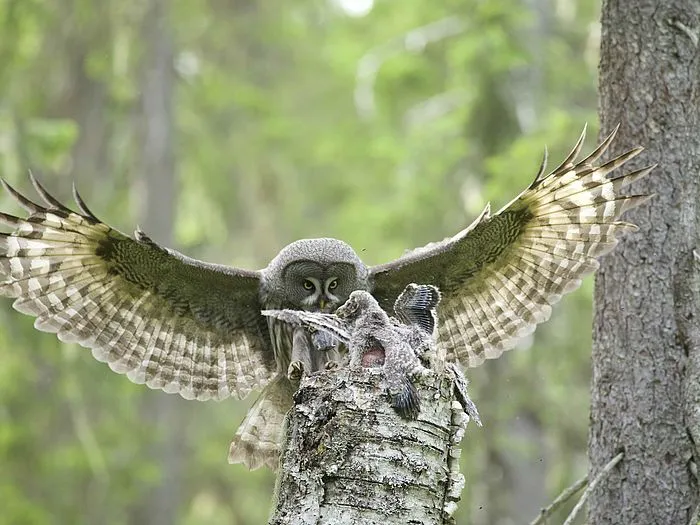
ภาพจากสารคดี Santa’s Wild Home โลกธรรมชาติบ้านป่าของซานตา
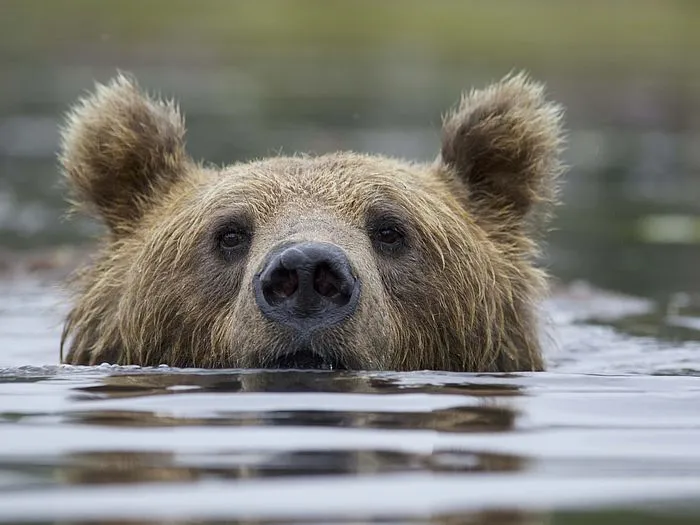
ภาพจากสารคดี Santa’s Wild Home โลกธรรมชาติบ้านป่าของซานตา
With its delicate storytelling, Santa’s Wild Home won the Nordic Nature Film Award at the Green Screen International Nature Film Festival in 2020. Beyond its exquisite 4K cinematography, the documentary reveals that the Christmas season is not only a time of human celebration, but also a period of trial—when every living creature fights fiercely to endure the snow in astonishing ways.
About Author