“Observing, Not Neutral. Silent, Not Passive”: The Documentaries of Frederick Wiseman
Read 0
The passing of Frederick Wiseman at the age of 96 this past February is a monumental loss for the world of documentary filmmaking. Throughout a career spanning more than five decades, Wiseman did not merely produce significant work, but he proved that documentaries could enable us to "understand" the world without the need to "explain" everything.
This distinction is made because we are often accustomed to documentaries where filmmakers employ various techniques to help us know events, leading us toward clear, step-by-step conclusions. However, Wiseman’s documentaries possess none of these elements. He used no narration, no interviews, no musical scores, and offered almost no explanatory information. What appears on screen is usually just a camera capturing unfolding situations in long, continuous takes, allowing us to witness people’s actions and overhear a multitude of conversations. It is as if we are sitting there, chin in hand, observing them in silence without questioning, without intervening, gradually making sense of the surroundings on our own.
In the world of documentary film, the term often used to describe this method is "observational cinema." This refers to the filmmakers' positioning themselves as just observers, avoiding any interference with the situation in the belief that this approach helps the film capture the highest degree of "authentic reality."
However, Wiseman stated that he did not view his films in that way. A term he preferred to use instead was "Reality Fictions." Although his style remained observational, the resulting work was not just a camera left running without a "storyline" or "dramatic essence." On the contrary, he deliberately arranged those long-duration sequences to create rhythm, emotional beats, and clear thematic points. Ultimately, films that appeared to be silent and passive were transformed into documentaries presenting a "composed set of truths," designed to earnestly explore and critique their subjects.
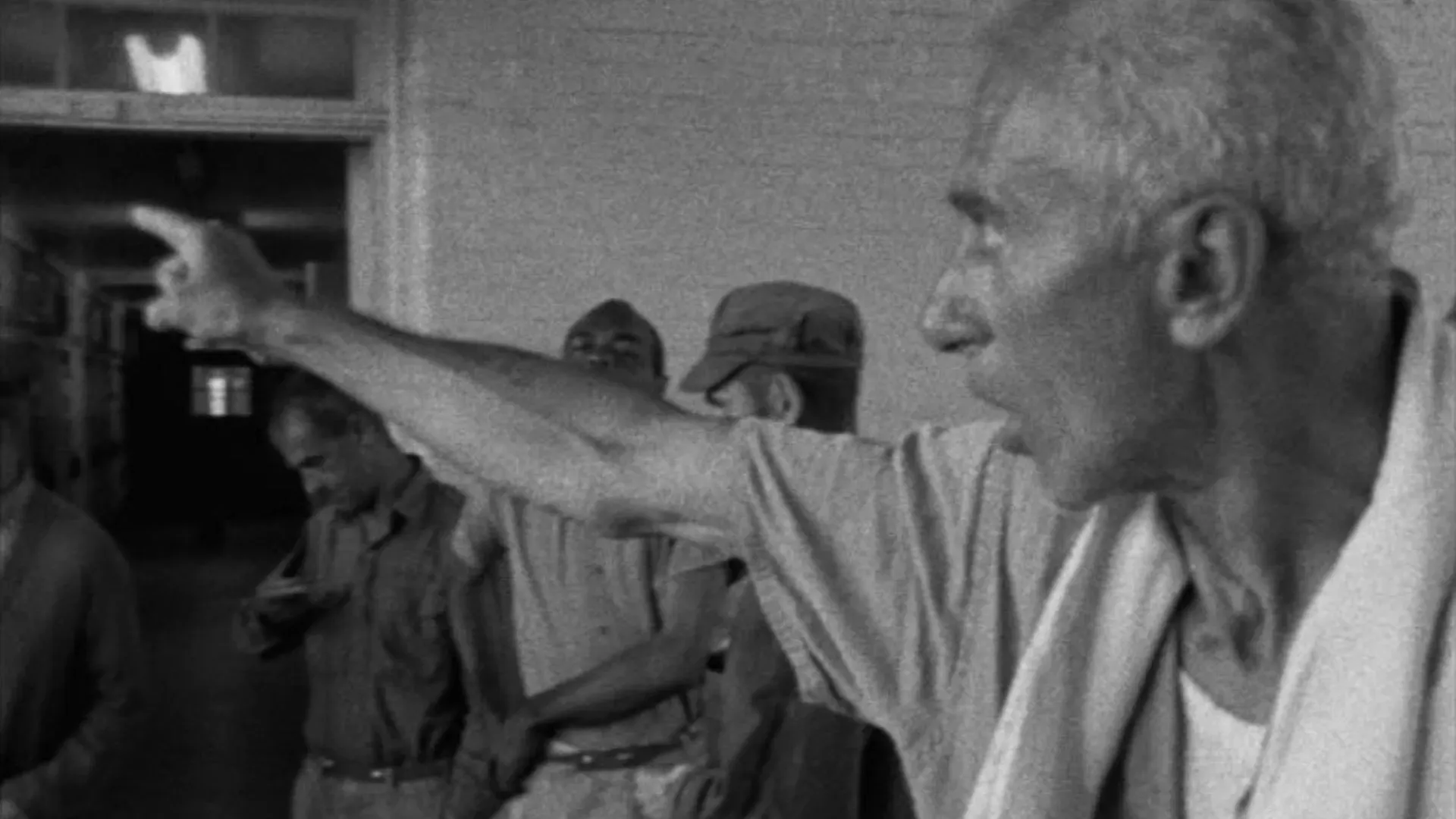
ภาพจากสารคดี Titicut Follies (1967)
The heart of Wiseman’s work was the exploration of various "social institutions." This began with his landmark debut, Titicut Follies (1967). This black-and-white documentary took us inside a Massachusetts correctional psychiatric hospital to record the brutal realities inflicted upon patients by the state. We would see patients being forcibly strip-searched, mocked, and violently force-fed. All without a single word of explanation from the director.
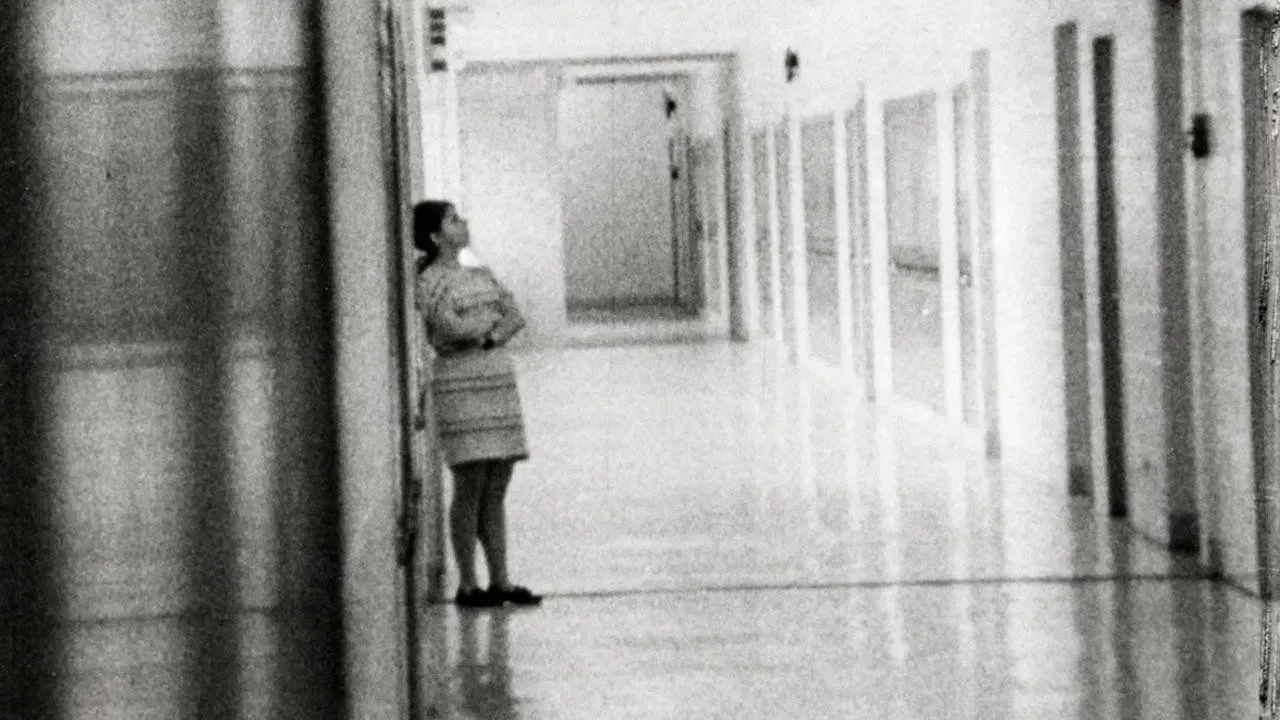
ภาพจากสารคดี High School (1968)
In High School (1968), he captured the daily life of a Philadelphia secondary school, recording classrooms, guidance sessions, and parent-teacher meetings. When these events were sequenced together, they revealed a hierarchy and a sense of discipline that clearly reflected the socio-political culture of the Vietnam War era. Meanwhile, in Hospital (1970), Wiseman’s camera followed doctors, nurses, and patients at a New York public hospital, exposing the exhaustion of the staff, the vulnerability of the patients, and the complexities of the system. All while the filmmaker maintained a strict non-judgmental stance.
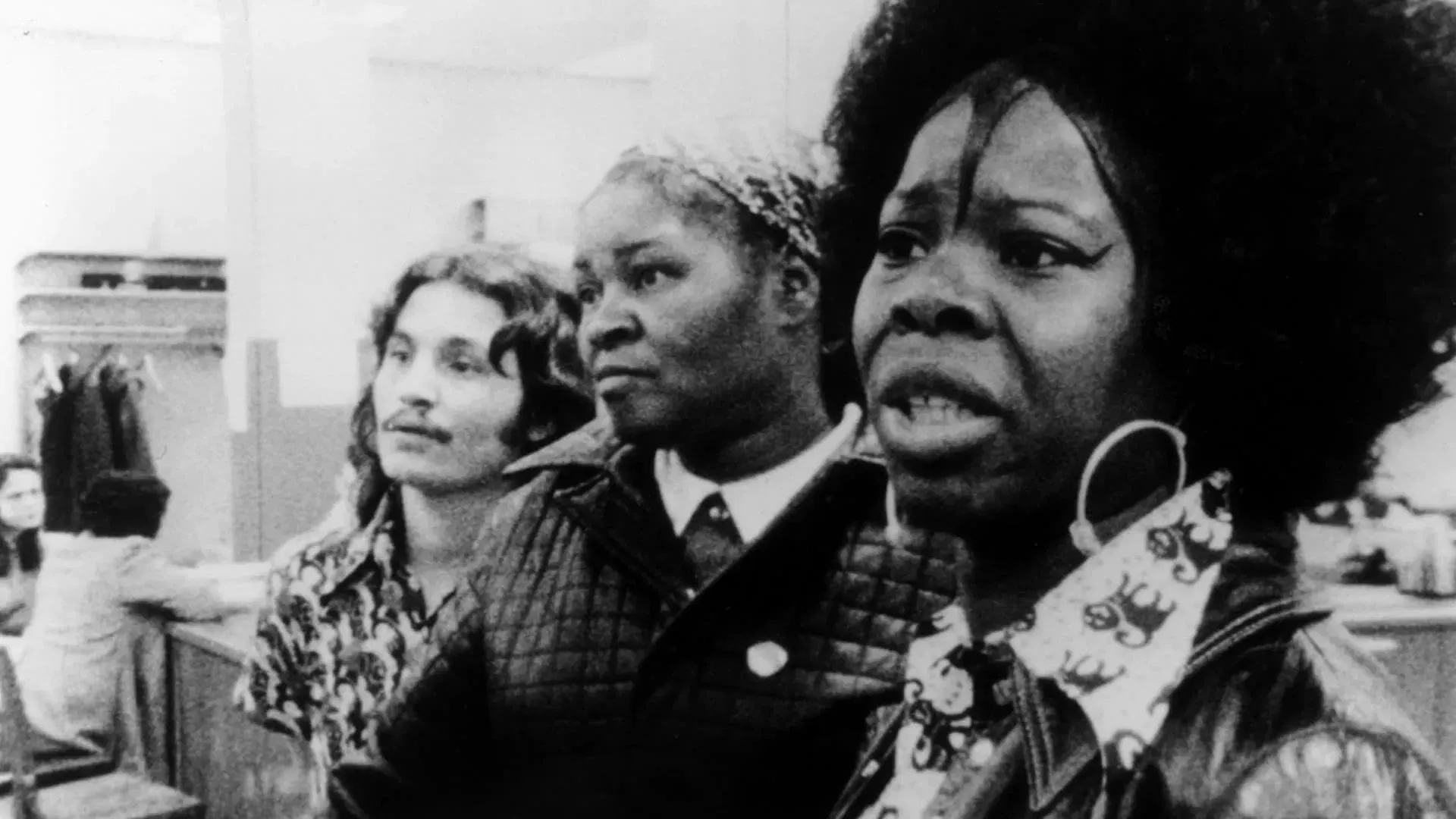
ภาพจากสารคดี Welfare (1975)
This approach becomes even clearer in Welfare (1975), a documentary recording the stream of people entering and leaving a New York City welfare office. Nearly the entire film consists of lengthy dialogues and heated disputes between case workers and those seeking assistance, reflecting both the necessity and the inherent cruelty of the bureaucratic system.
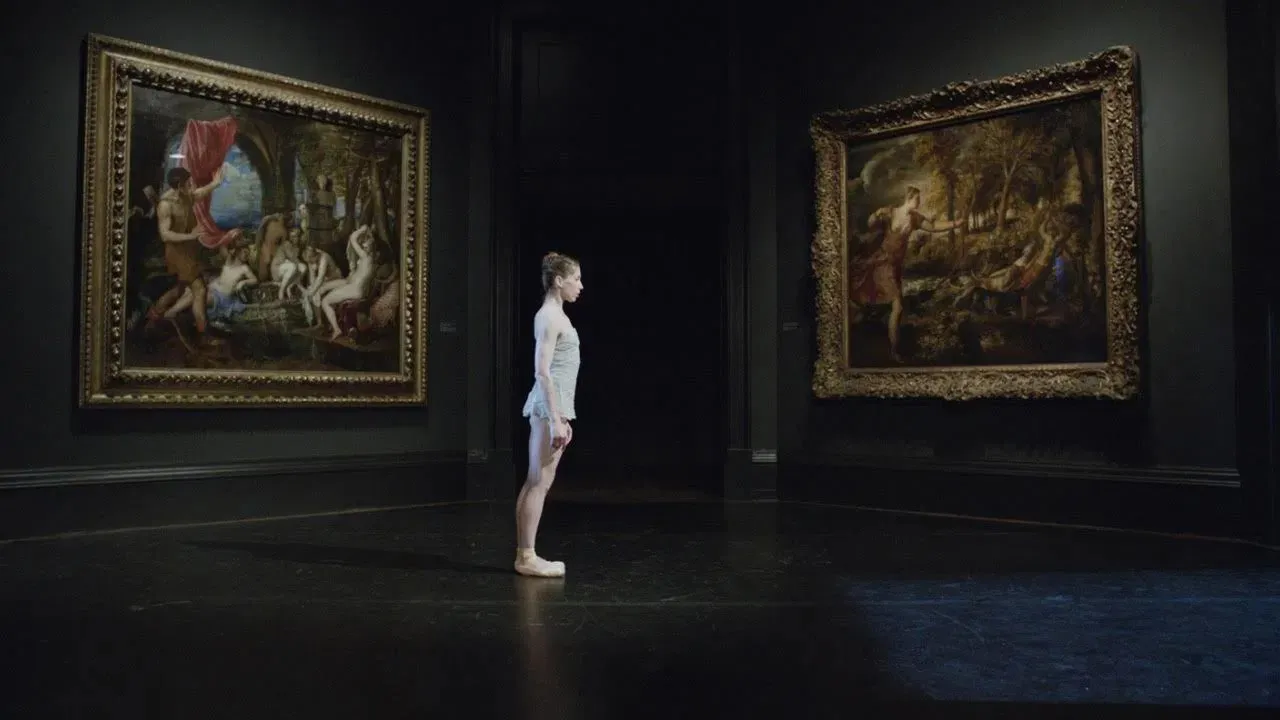
ภาพจากสารคดี National Gallery (2014)
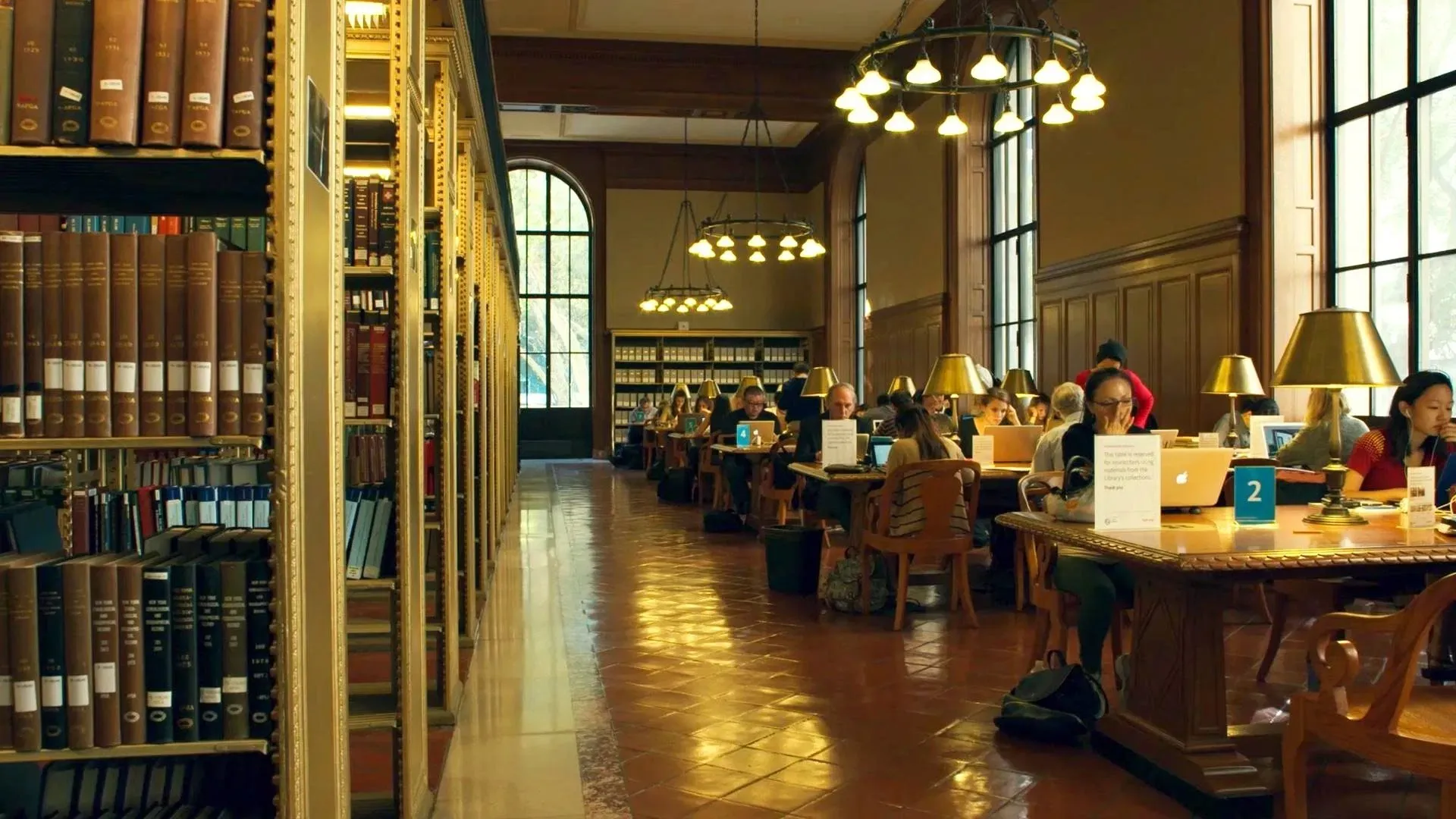
ภาพจากสารคดี Ex Libris: The New York Public Library (2017)
As time progressed, Wiseman applied this methodology to increasingly diverse spaces, and the results remained consistently powerful. In National Gallery (2014), filmed at the National Gallery in London, he documented art lectures, executive board meetings, and the meticulous process of painting restoration. The film reveals the inner workings of a cultural institution striving to preserve historical value and maintain its social relevance while navigating severe budgetary constraints. Similarly, in Ex Libris: The New York Public Library (2017), he explored the operations of the New York Public Library system from high-level administrative meetings to grassroots community activities. Through this lens, we see the logistics of funding and the creation of learning spaces, while being prompted to contemplate much broader questions regarding democracy and the fundamental rights of the citizenry.
Ultimately, across this entire body of work, Wiseman does not present institutions as dry, rigid, or inaccessible entities. Instead, he grants us access to spaces we rarely have the opportunity to enter, allowing us to observe and listen to the diverse voices of the individuals within them. This process inevitably leads to critical questions that What is the purpose of these social institutions? How is power exercised? Are they effective or deficient? And how do they treat human beings? His documentaries thus serve as both a record and a dissection of social mechanisms, inviting us to engage with these experiences with profound intimacy and detail.
Wiseman frequently noted in interviews that he did not believe in the notion that a documentary must be "neutral" in the sense of the filmmaker exercising no direction. Every choice, what to film, what to cut, and how to sequence, is a deliberate decision. At the same time, he rejected films that heavy-handedly lead the audience’s thinking to the point of becoming propaganda. His work instead allows the imagery, the sound, and the editing to force us into a confrontation with complexity, stripped of any explanatory crutch. It compels us to gradually realize for ourselves that behind our daily lives lies a power structure that is constantly at work.