Mani: Stories from the Banthat Mountains Forest Ways of Life in Transition
Read 0
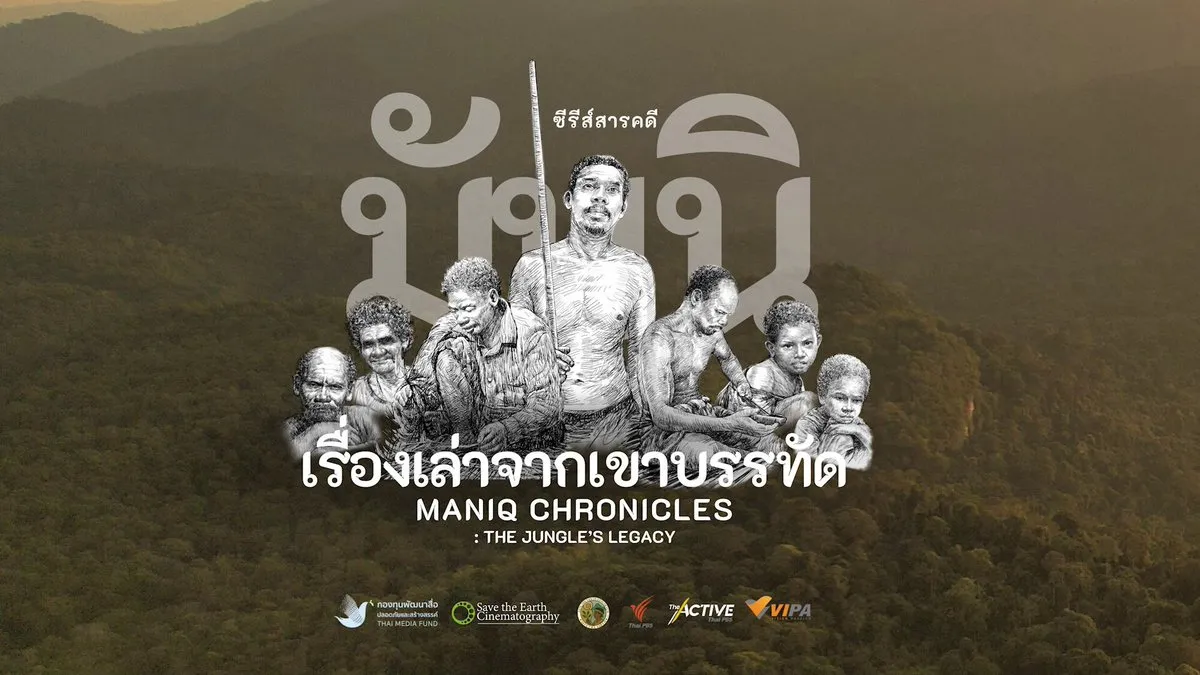
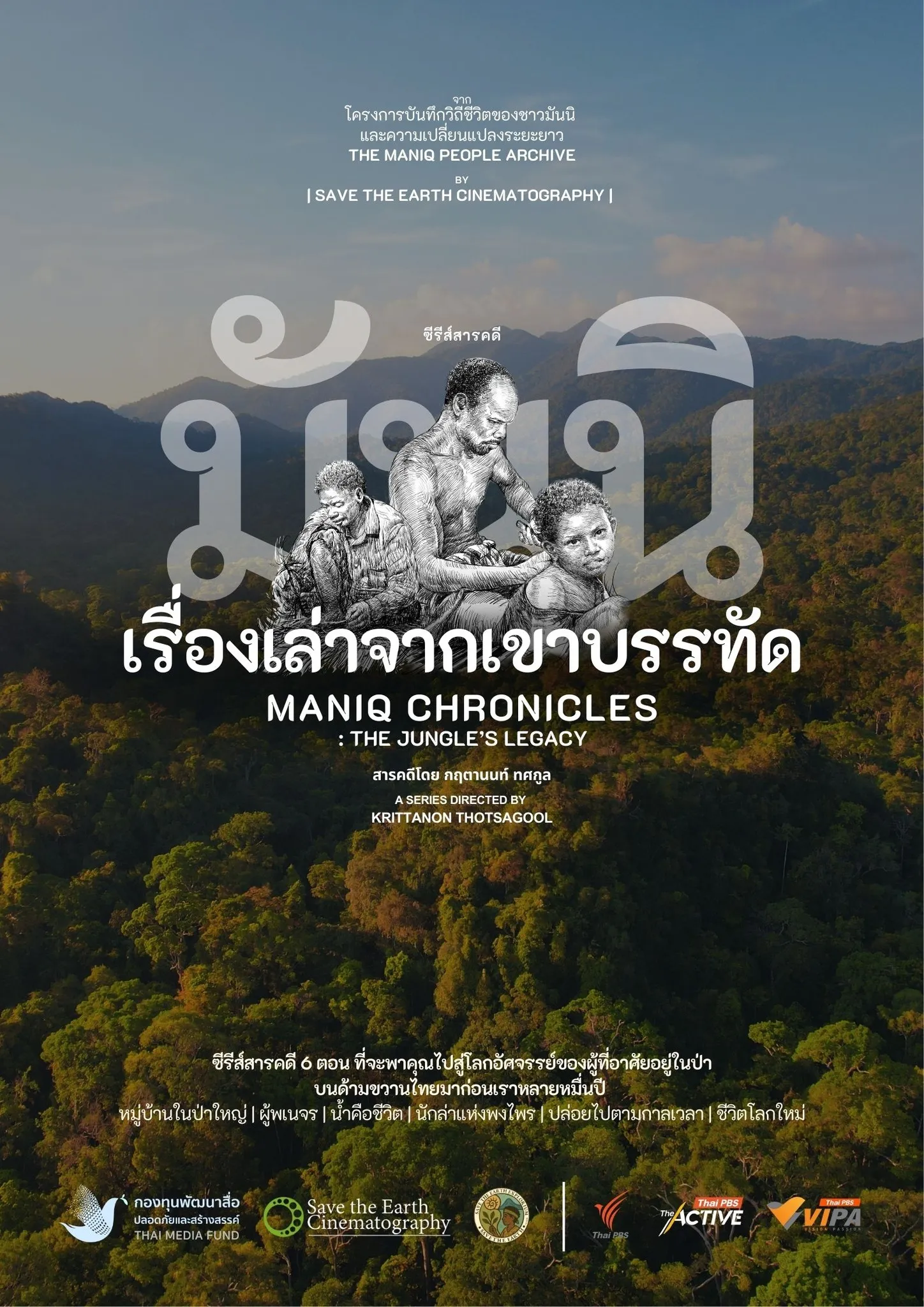
If you have ever heard the terms “Ngoh Pa” or “Sakai” and pictured a mysterious group of people living deep in dense forests, this documentary series seriously challenges those assumptions. Kritanon Thotsakul spent over 15 years documenting—not “exotic tales,” but the story of a community marked by complexity, diversity, and constant change. In other words, he does not invite us to see the “Mani people” as a frozen image from the past, but rather to witness lives moving forward amid numerous surrounding conditions—many of which they did not entirely choose for themselves.
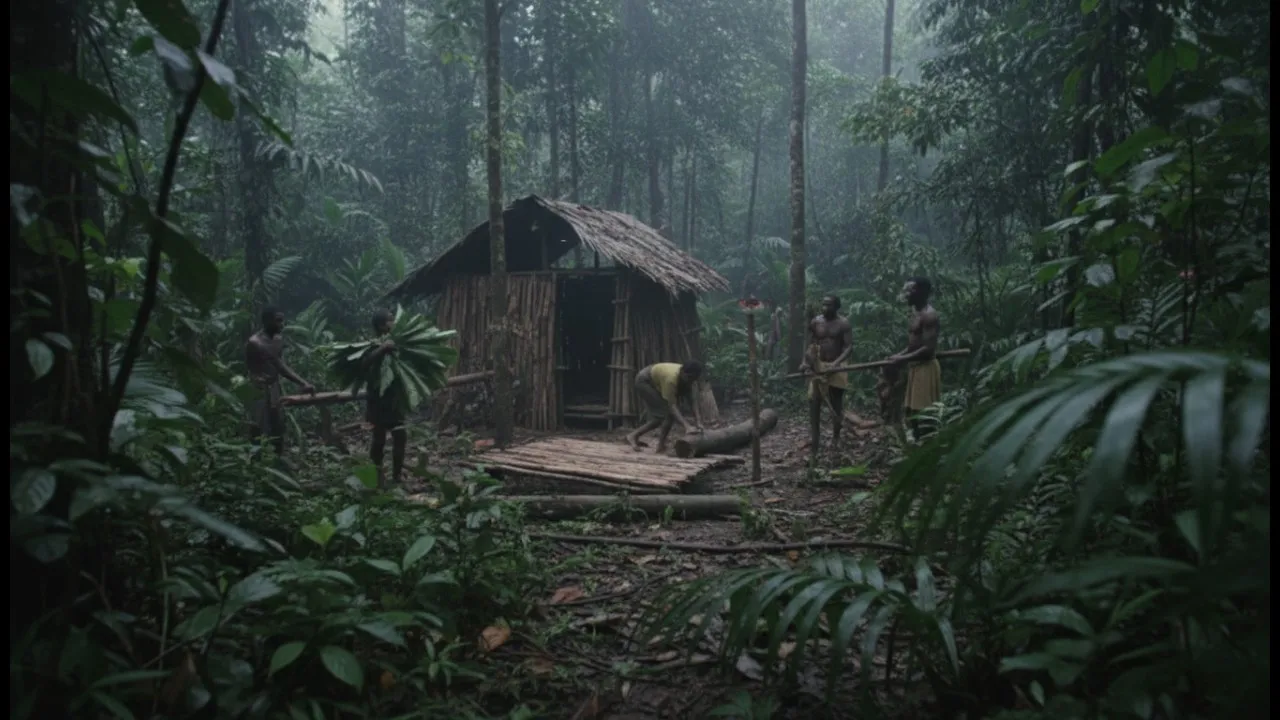
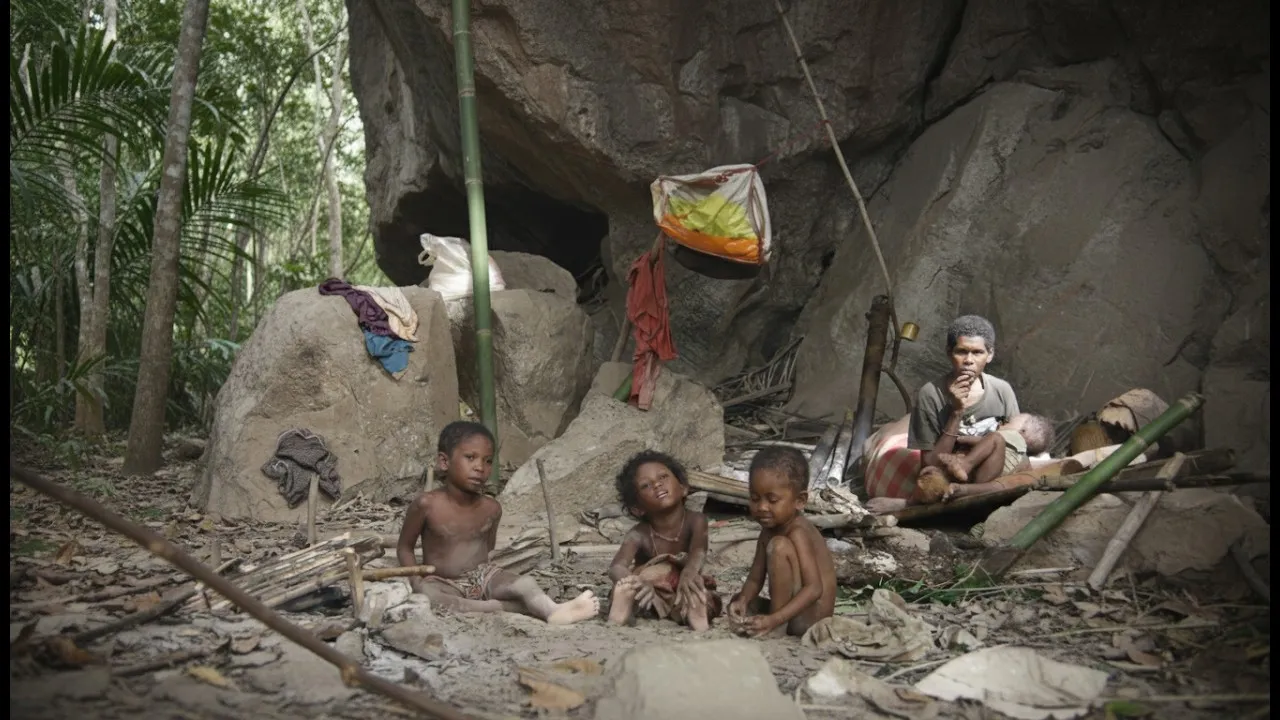
The documentary consists of six episodes that gradually assemble a portrait of the Mani community through three key themes. The first focuses on their way of life and local wisdom, from the mobility of their settlements and reliance on natural resources to principles of equitable food sharing within the group. The second explores their worldview and belief systems, which regard the forest, water, and environment not merely as resources, but as integral parts of a meaningful system that guides everyday decisions. The final theme addresses their transition into the modern world. As forest areas shrink and they are compelled to settle permanently rather than move nomadically, new conditions for survival emerge—such as obtaining national ID cards and sending their children into the formal education system.
ภาพจากสารคดี มันนิ : เรื่องเล่าจากเขาบรรทัด
ภาพจากสารคดี มันนิ : เรื่องเล่าจากเขาบรรทัด
What makes Mani: Stories from the Banthat Mountains interesting is its long-term fieldwork process. Kritanon began filming with simple equipment such as a mobile phone, later expanding to various video cameras and gradually building a long-term archive through the project The Manic People Archive. This sustained engagement allowed him to slowly develop relationships with the Mani community, shifting from outsider to familiar presence. As a result, the community permitted him to film closely—from everyday routines and moments of illness to funeral rituals.
The closeness between the filmmaker and his subjects also enables the documentary to capture a wide range of human emotions, gradually shifting the director’s role from that of an observer to a direct participant in the lived experiences of his subjects. A clear example appears when members of the Mani community begin asking questions about the outside world—about the sea, the city, and urban life. This curiosity ultimately leads the director to take them into the city and to see the sea for the first time.
In the author’s view, the greatest strengths of this documentary series lie in two areas. First is the depth of its content, made possible through long-term dedication that earned the community’s trust. Second is its role as a record of fading knowledge—from water lore, hunting practices, and food gathering to the careful and sustainable use of forest resources. Together, these strengths dismantle the negative stereotypes associated with the terms “Ngoh Pa” or “Sakai” by presenting the Mani as contemporary human beings with their own history and philosophy of life.
ภาพจากสารคดี มันนิ : เรื่องเล่าจากเขาบรรทัด
At the same time, Mani: Stories from the Banthat Mountains also faces several limitations. The first concerns its narrative perspective, which remains that of an outsider. Despite the close relationship established, the primary voice is still that of the filmmaker. In many situations, the filmmaker also shapes the direction of events, meaning that the lives of the subjects are inevitably influenced by the presence of both the camera and the person behind it.
Another limitation concerns the scope of representation. Since the documentary primarily focuses on one Mani group, it cannot necessarily serve as a comprehensive representation of all Mani communities across the Banthat mountain range, especially those that remain more isolated or those that have adapted more extensively to urban life.
A further and most evident limitation lies in its mode of presentation. The film relies heavily on narration or voice-over to explain the meaning of what viewers see, rather than allowing images, sounds, or even silence to convey meaning on their own. As a result, while the documentary communicates information clearly, it may underutilize the cinematic medium’s potential as a space in which the Mani could tell their own stories through their actions and lived presence
Nevertheless, Mani: Stories from the Banthat Mountains remains a work well worth watching. As an ethnographic record, it concretely preserves ways of life, bodies of knowledge, and real processes of change. The filmmaker’s sustained, long-term commitment is a crucial factor in ensuring that the story of the Mani people is not reduced to mere representation or viewed as “other” within Thai society any longer.
ภาพจากสารคดี มันนิ : เรื่องเล่าจากเขาบรรทัด
About Author