The World May Be Cruel. You Shall Not.
Read 0
Decoding the Midlife Crisis, Marginalized Chronicles, and the Truth That Haunts More Than Ghosts by Golf Sorarat
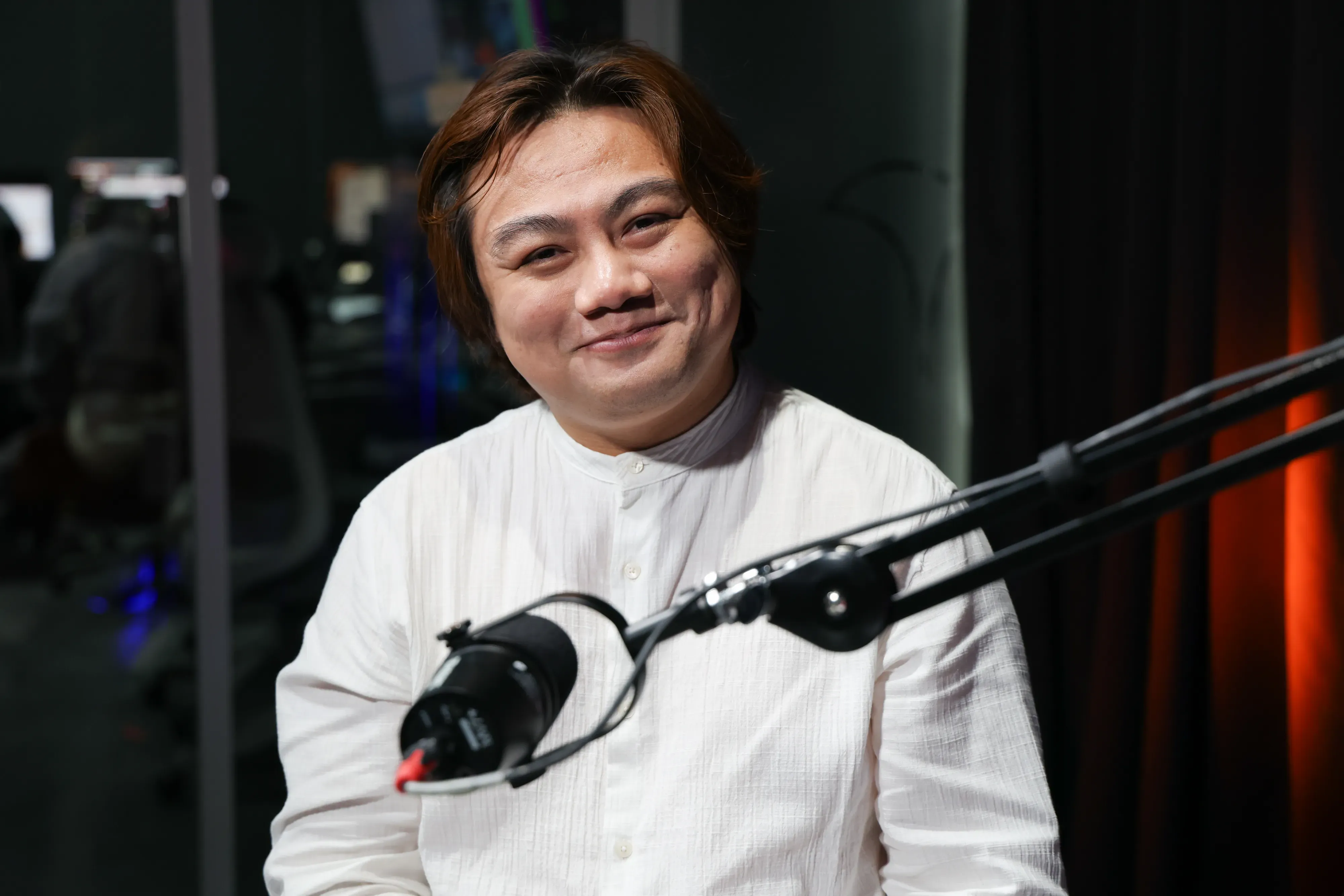
If we mention the name Golf - Sorarat Jirabovornwisut, Thai drama and film fans would likely recognize him as the pen behind fantastical worlds and mystical legends, whether it is the blockbuster drama 'Nakee' or the hundred-million-baht film 'Tee Yod' (Death Whisperer).
But looking back at his very first step as a screenwriter, he was the one who brought the story of 'Amdaeng Muen Kab Nai Rid' to life as a historical drama about women's rights on Thai PBS.
And today, the master of supernatural tales has chosen to set aside horror and magic, picking up a magnifying glass to examine the ordinary, yet painful and beautiful 'truth' of humanity in the new series on Thai PBS and VIPA, "Hard Nights" (คืนนี้ผมนอนไม่หลับ).
In this episode of Master’s Cut, we invite you to pull up a chair and converse with the 'screenwriter' who extracted the wounds, midlife crises, and isolation of retired LGBTQ+ individuals, weaving them into a script that asks us: Amidst the suffocating expectations of society, how do we manage our inner feelings so that we can truly close our eyes and sleep tonight?
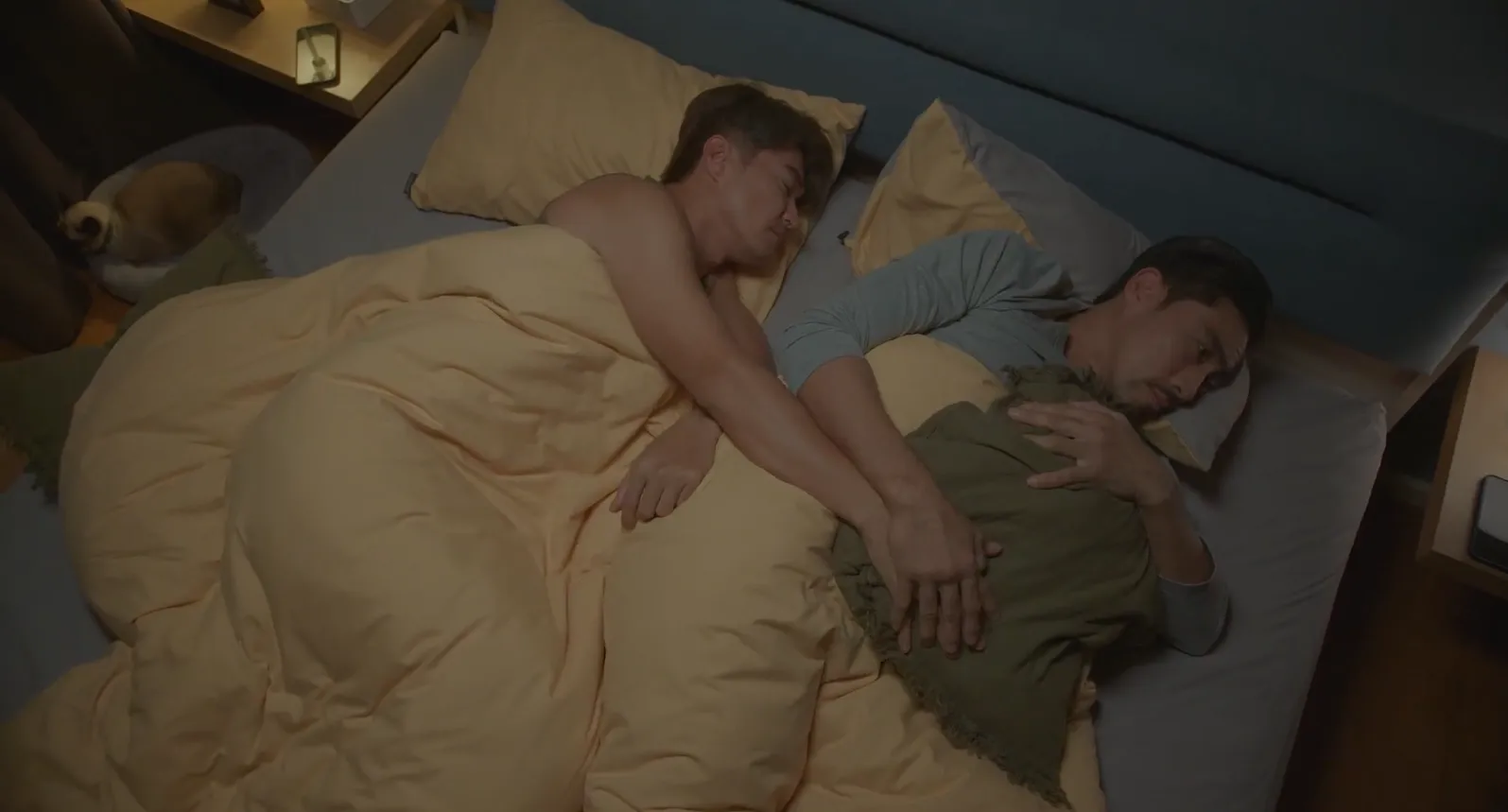
Not a 'Y Series', but the Real Life of a 'Queer' in a Hypocritical Society
In an era where Thailand's export content is driven by three main pillars—ghosts, action, and Y (Boys' Love) series—Golf Sanatt noticed a loophole that had been neglected.
"Y series and Queer series are not the same," he emphasized clearly. "Y series often present a dreamy, romanticized image, telling stories set in the safe confines of a university. But Queer series are about exposing reality as much as possible."
When given the brief by the station to create a story about a 'vulnerable elderly group', he chose to tell the story of LGBTQ+ individuals entering the Silver Age. Because in a society that views gender diversity through a binary lens—like top-bottom or king-queen—there are actually far more complex shades in the spectrum. And most importantly... this group also ages, gets sick, and lacks welfare support just like anyone else.
"Thai society is a hypocritical one," Golf shared straightforwardly. "We have many world-class entertainment venues, yet we still try to project an image of a strict Buddhist country, treating sex as trash swept under the rug. This series dares to explore gray areas, such as an elderly gay man visiting a host bar or polyamorous/open relationships. We aren't saying these things are inherently good or encouraging anyone to follow suit. Instead, we want to invite the audience to open a dialogue and 'normalize' these lifestyles as ordinary things—like eating or bathing—without putting on the lenses of judgment."
The Midlife Crisis and the Question "Are We Too Old?"
Why the title "Hard Nights"? Golf explained that staring at the ceiling in the dead of night is a 'shared experience' of all humans, only the equation of stress changes according to the clock of life.
"When we were teenagers, we might have sleepless nights because of love, tossing and turning over a crush. When we become adults, we stress over work, family, income, the economy, and putting food on the table. But at a certain point, when you reach old age, it becomes about health and thoughts of the afterlife."
Moreover, the midlife crisis in this era is no longer limited to age 25. It often comes with 'weird expectations' from society, such as: How much is your salary? Do you own a house yet? Do you have kids? Golf pointed out a truth: "Nowadays, we suffer because of other people's expectations more than our own."
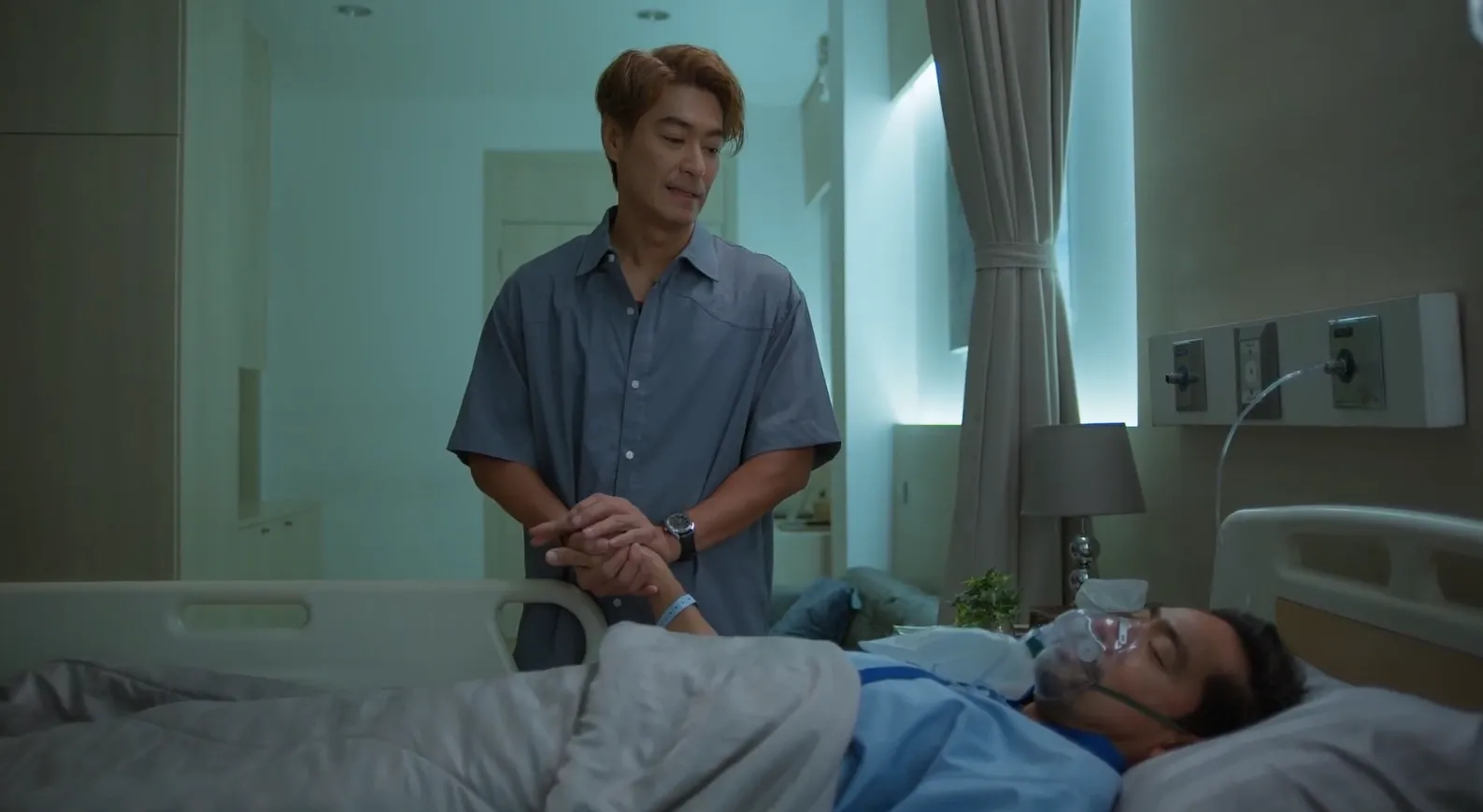
This suffering also includes ageism, which eats away at creative workers. The character 'Aon' (played by Num Surawut) is a formerly famous cartoonist facing burnout in an era where print media has been disrupted. Golf admitted that, as a screenwriter, he too has asked himself, "Am I outdated?"
"But I have an idol, Ajarn Salaya (Salaya Sukanivatt, a master screenwriter). She is a senior whose mindset is always young, sharp, and constantly catches up with trends. It taught me that being old or young isn't about age, but about your mind, attitude, and worldview. If you start asking, 'Am I too old to do this?', that means you've already been consumed by age prejudice."
Marginalized History and the 2D Escapist World
Writing this script wasn't just sitting and imagining; it involved heavy research. From digging up the ancient city of Dong Lakhon where women ruled, to the violence at the Chiang Mai Pride event (Sao Sao Ed).
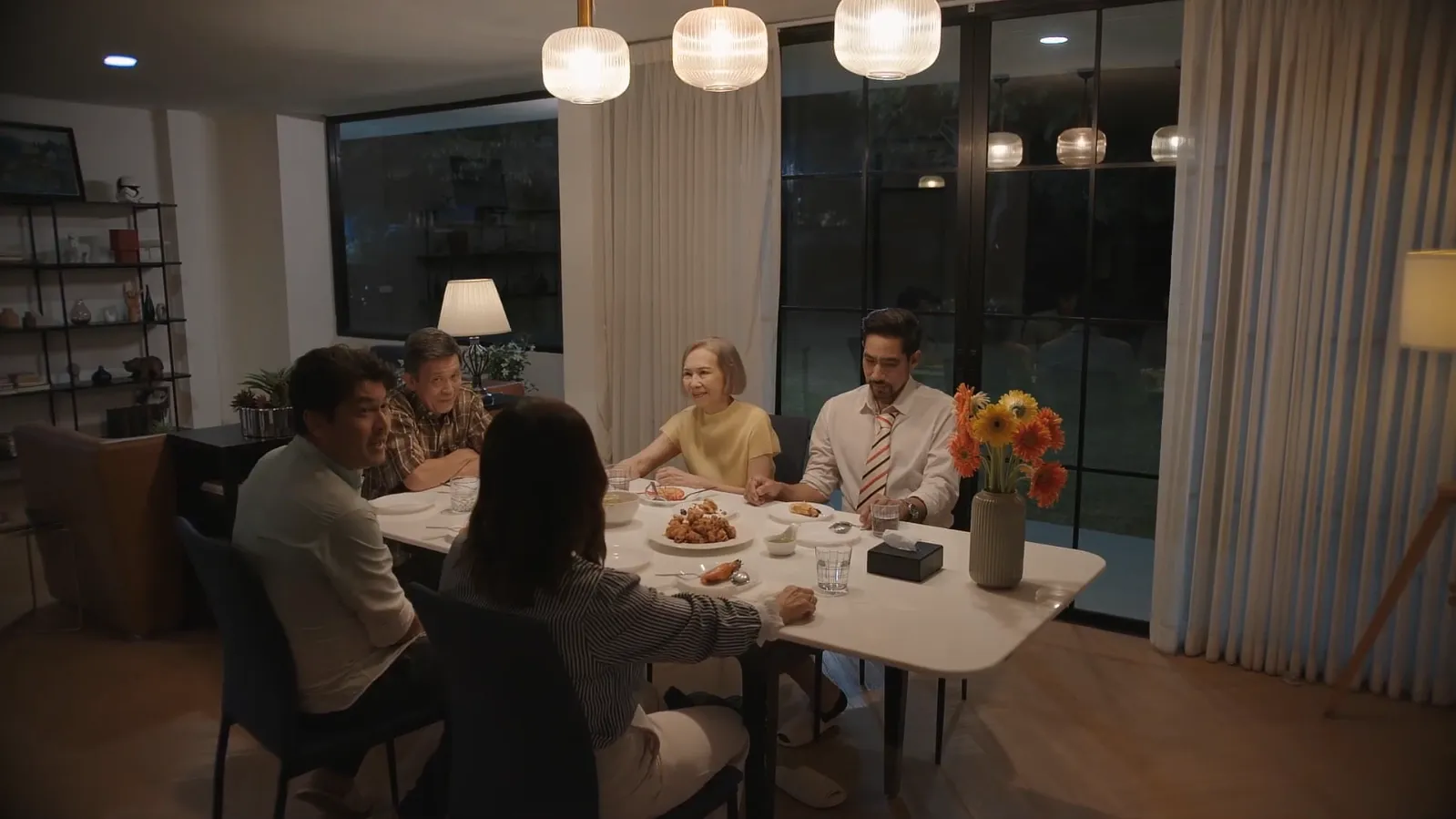
For Golf, Thai PBS dramas are often historical epics about significant figures, but this series is the "history of ordinary people" who belong to marginalized groups. It asks whether the rights and equality we have today are real, or just a fleeting, superficial trend.
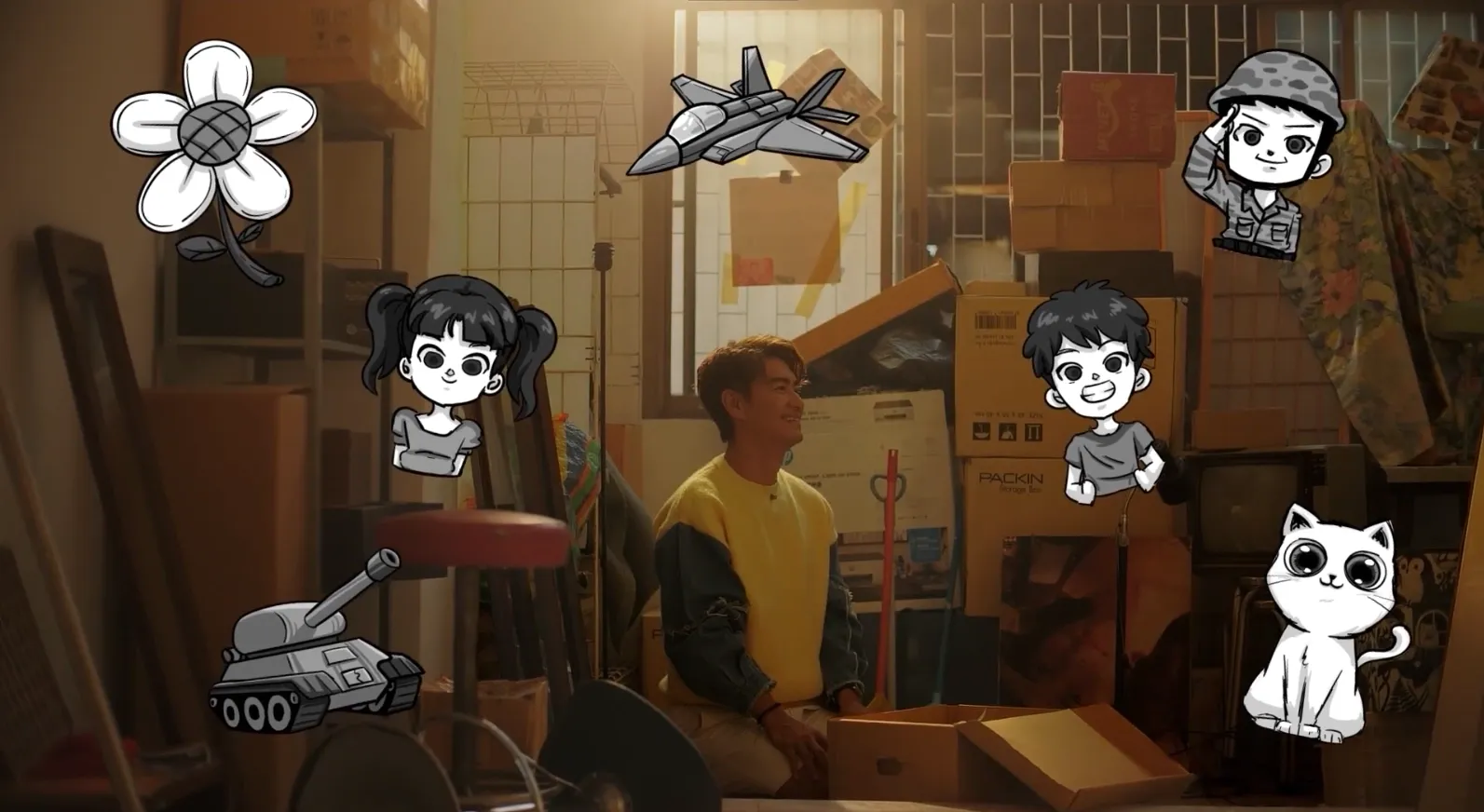
To balance the heaviness, Golf hid a symbol of mental healing through 2D stop-motion cartoon scenes. It represents an 'Escapist World' or a bunker the characters use to flee from reality. It's a nostalgia that, no matter how outdated others might see it, serves as a safe space where they once shined brightly.
"Do Not Send the Mind Outward" and Listening to the New Generation
When asked about the LGBTQ+ community entering an aging society in a country where state welfare is merely a dream, Golf frankly admitted that it is incredibly difficult—especially if you are an old, poor queer person with no children or grandchildren.
"An aging society and the melting polar ice caps are exactly the same thing," Golf compared. "It's a massive crisis that we are far too indifferent about. We label this group as vulnerable, yet we hardly see any policies or universal designs to support them."
So, what is the answer that will allow fragile humans like us to sleep soundly and have good dreams?
"Human happiness is being able to eat and sleep, which happens when we don't have to face uncertainty. But in real life, that's impossible," Golf offered his perspective. "Buddhism says, 'Do not send the mind outward' (อย่าส่งจิตออกนอก). Explore inside yourself. If we do not worry about what has not yet come, do not yearn for the past that is gone, and stay in the present, we will be happy... The things that affect us are external, but what we can control is what is inside."
And that is why a Gen Y man like him chose to lower his ego and turn to 'listen' more to Gen Z kids.
"We don't need to preach to them. We should ask them instead: How are you doing today? Amidst wars, pandemics, and an economy like this, what do you think? Because my generation will eventually die. The society of tomorrow belongs to them."
Before concluding the conversation, Sorarat left a short yet powerful thought for all generations facing a distorted and ever-changing world:
"The world may be cruel, but I shall not be cruel along with it. Or else, I will end in sorrow."
Don't let the cruelty of this world swallow up all our hope and kindness...
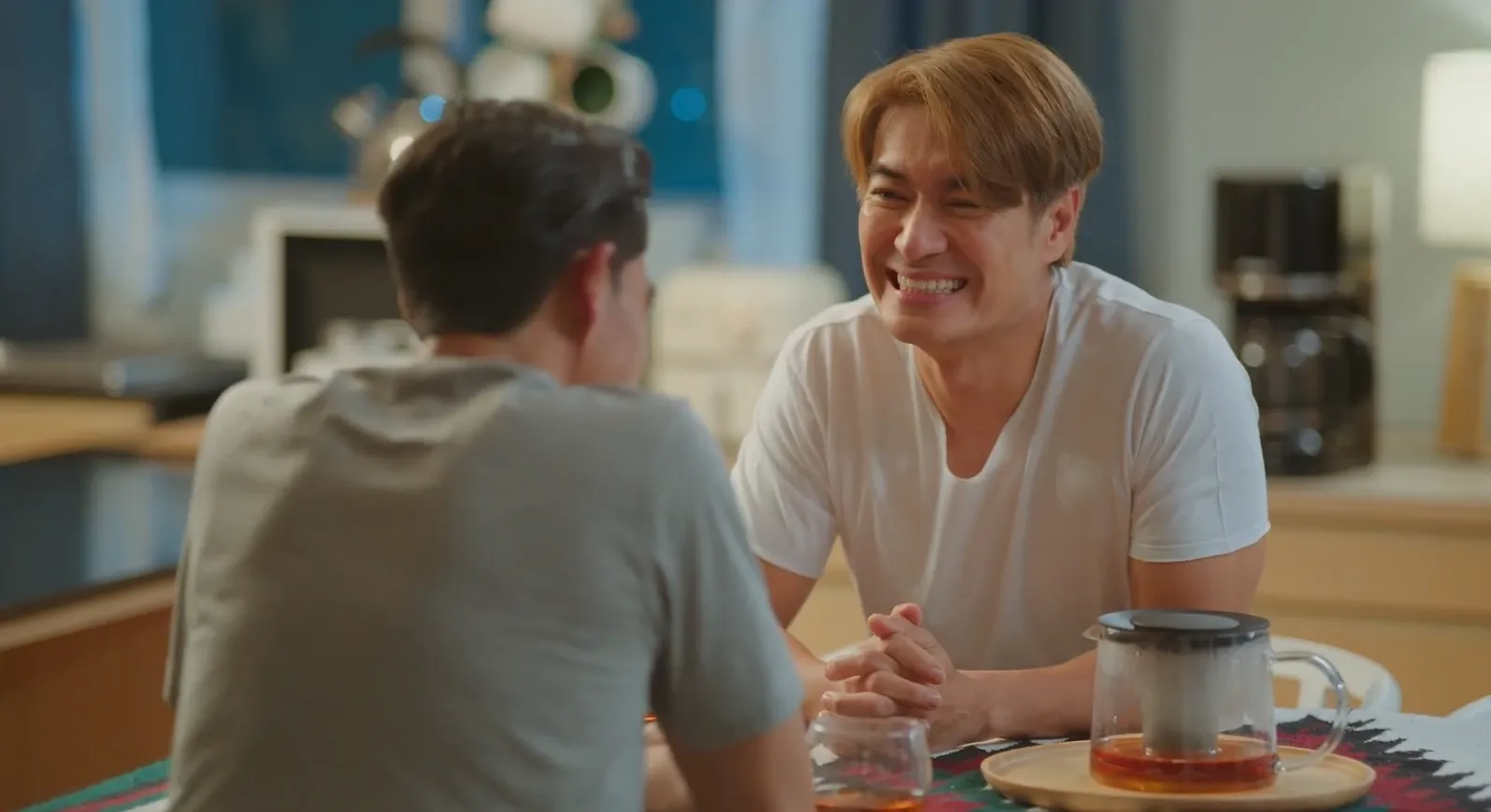
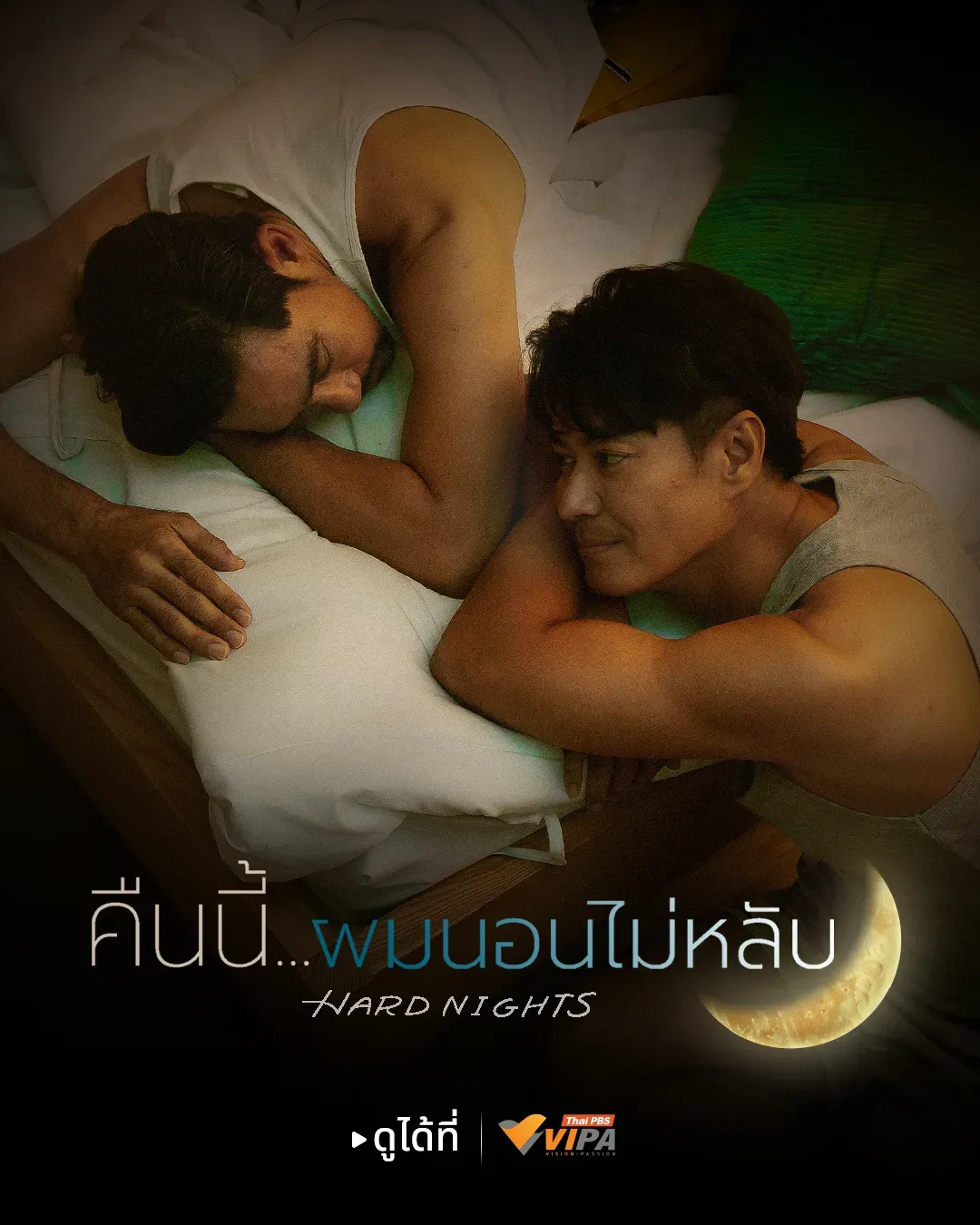
Watch the series “Hard Nights” (คืนนี้ผมนอนไม่หลับ), written by Golf Sanatt and directed by Golf Tanwarin, available today on VIPA:
▶️ https://play.vipa.me/lVqBkveFHZb
About Author
Oakland Krist
a pop culturist who breathes it like air | a storyteller with pretty much still in the making | a little poetic but absurd at the same time