‘Celebrity Biopics’… Documentary or Propaganda ?
Read 0
If you follow the film industry closely, you may have noticed a powerful trend that shows no sign of slowing. Biographical documentaries about celebrities of every kind are being produced—featuring politicians, business leaders, athletes, designers, actors, musicians, and legendary artists, whether in traditional films or multi‑episode series. The reason is easy to understand. These figures already have built‑in audiences, and their life journeys are full of drama and variety, effectively satisfying the curiosity of fans and the wider public.
Beyond entertainment, these films often raise a critical question. Are they truly ‘documentaries,’ or merely ‘propaganda disguised as documentaries?’
At the time of writing this article, the United States has just released Melania, directed by Brett Ratner (a report confirms that Amazon paid $40 million to acquire the rights of this movie). The film explores the private life of Melania Trump, focusing on the 20 days leading up to Donald Trump’s second presidential inauguration in 2025, and examines her role as First Lady of the world’s most powerful nation.”
At first glance, the film sounds intriguing, and it appears no different from many other political biographical documentaries that have been made. Yet what makes critics view the film with caution is the fact that Melania herself is credited as Executive Producer — and, according to reports, she even holds editorial control. In other words, she personally reviews the final cut before it reaches the public. This immediately raises the question: how can we be sure that everything we see in Melania represents the ‘truth’?
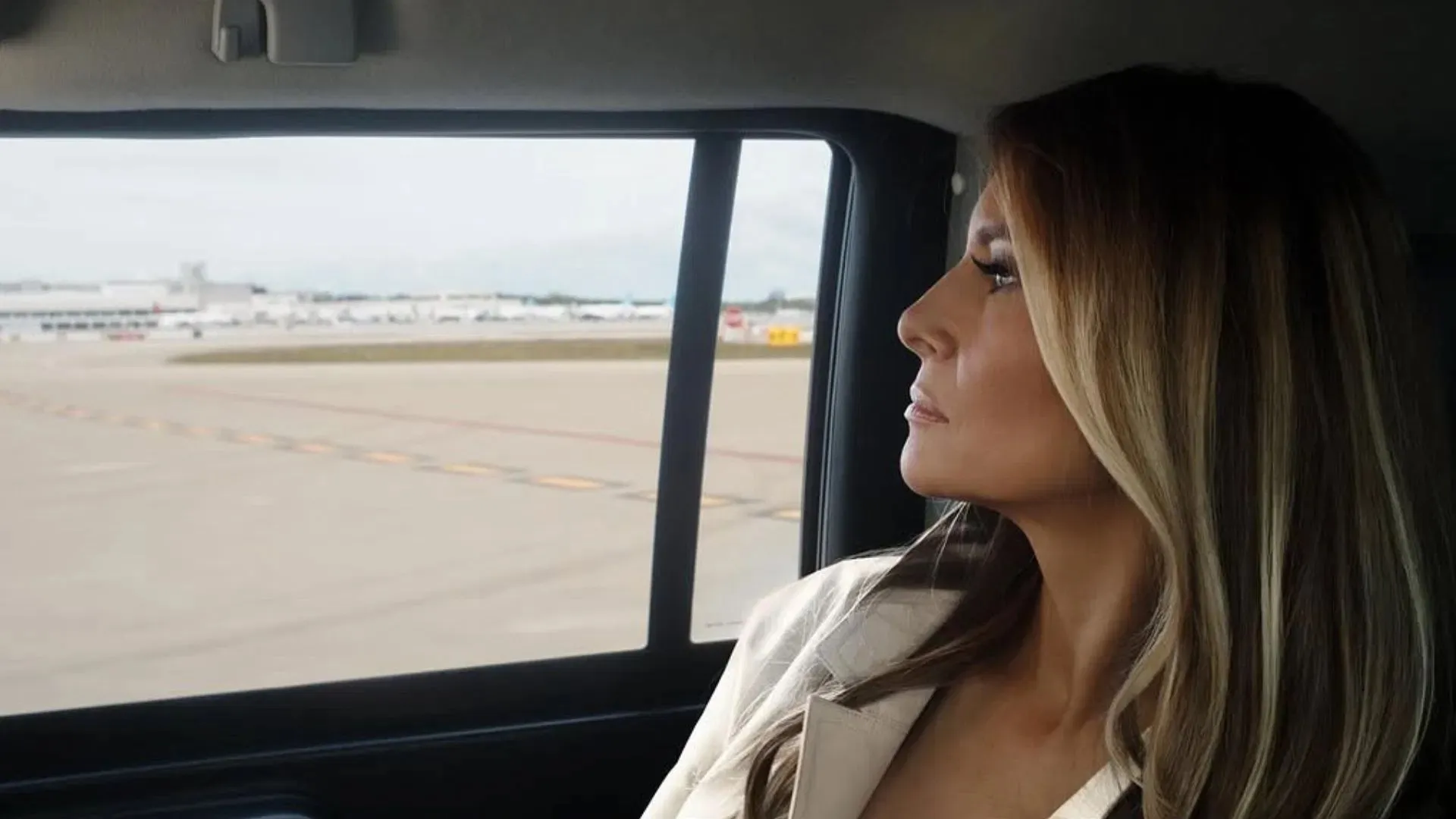
ภาพจากสารคดีเรื่อง Melania
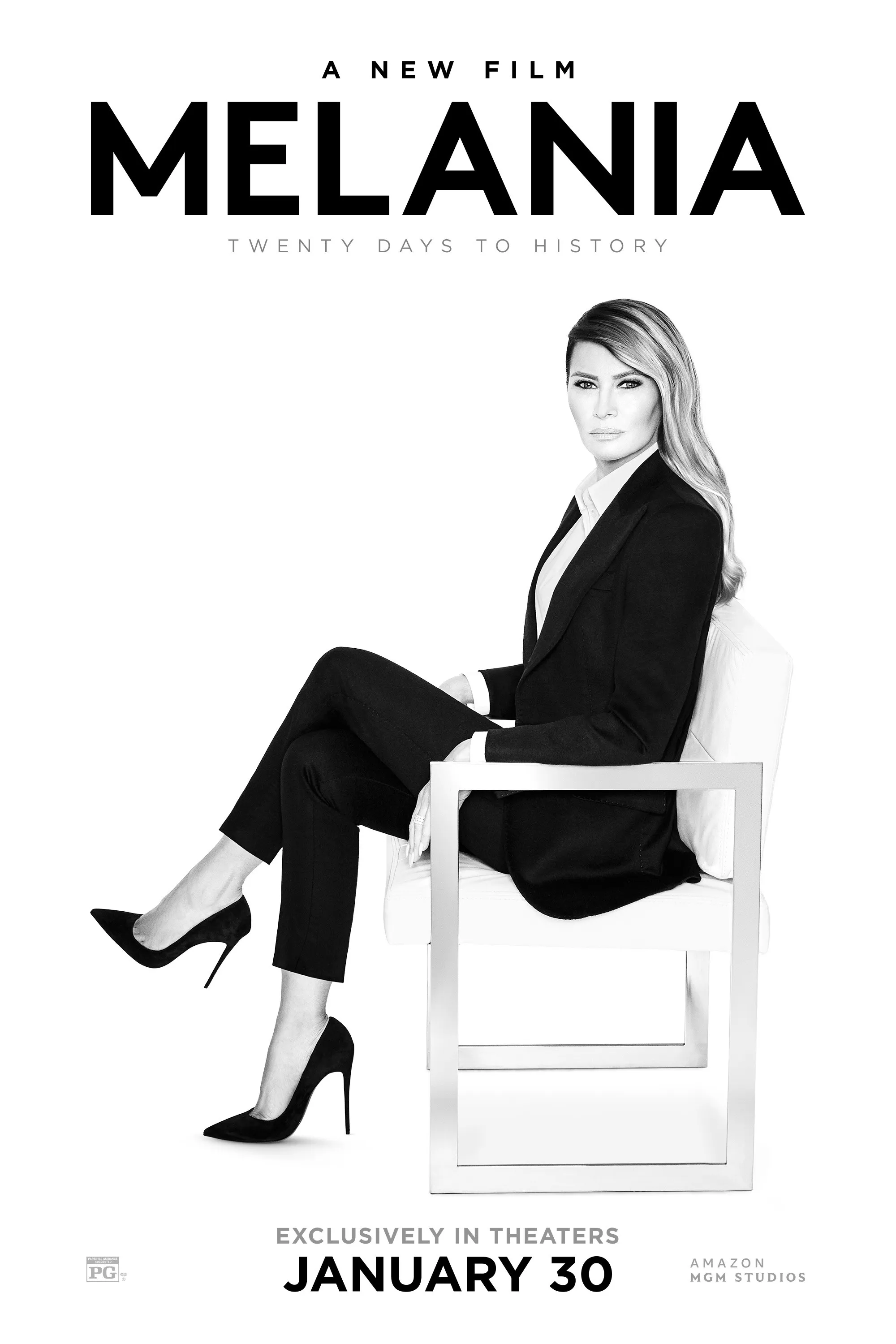
ภาพจากสารคดีเรื่อง Melania
A similar case that stirred major controversy last year was The Book of Prince, a biographical documentary about the late legendary artist ‘Prince.’ It was produced by Netflix and directed by Oscar‑winning filmmaker Ezra Edelman (of O.J.: Made in America). The project took several years to complete and resulted in a nine‑hour series portraying Prince as a deeply multifaceted human being — complex, vulnerable, and the lesser‑told aspects of his life. But just as fans were eagerly anticipating its release, the project was abruptly derailed. After members of Prince’s estate viewed the documentary and reacted with strong disapproval, Netflix quickly announced that it would cancel the release altogether.”
This decision was deeply painful for Edelman. His frustration only grew when Netflix announced plans to produce a new Prince documentary to replace it. This time, the artist’s estate stepped in to take full control of the story themselves.”
It is hardly surprising that the two examples above have been suspected of being little more than propaganda films. Evidence strongly suggests that the stories they present are carefully selected, filtered, and tightly controlled, with the primary aim of promoting the subject’s image. It is also notable that such films often come advertised with the promise of exclusive access to information, images, clips, and footage never seen before. While this may sound exciting at first, in practice, such privileged access usually comes with the condition that the subject retains greater authority than the director in shaping the final narrative before it reaches the audience.
Nevertheless, it would be unfair to dismiss all celebrity documentaries as mere propaganda. The next question, then, is: what criteria can we use to tell them apart?
A simple yet crucial starting point for us as viewers is to understand the fundamental difference between a ‘documentary’ and ‘propaganda.’ A documentary typically begins with the filmmaker posing ‘a question’ about something (in the case of celebrity documentaries, that question might be: What shaped this person into who we see today?’). The filmmaking process then becomes a journey to search for answers — which may turn out to be beautiful, ugly, clear, or complex and ambiguous.
By contrast, the makers of propaganda films usually begin with an answer already fixed in mind (for example, ‘This person turned out this way because they grew up in a troubled family,’ or ‘This person is a noble soul who devoted themselves to the nation’). The process is not about searching for truth, but a hunt for evidence to support that predetermined answer. Anything that does not fit, or that contradicts it, is cut away— leaving only what the filmmakers want the audience to believe.
When the starting point differs in this way, the details inevitably follow suit. Propaganda films tend to speak in a tone of certainty, confident in their own correctness, and use cinematic techniques to persuade viewers without leaving room for doubt. By contrast, the ideal documentary allows space for uncertainty and contradiction, inviting the audience to weigh the information for themselves.
When we watch films with these criteria in mind, the interest lies not only in the stories shown on screen but also in probing deeper: under whose conditions was this narrative constructed, who truly holds control, and who stands to benefit? Equally important is asking what truths have been omitted. Sometimes, ‘what a film chooses not to say’ can reveal more about a celebrity’s identity than what it does present.