‘Autistic Parents’ What films try to tell us — and what society still resists confronting
Read 0
In film and popular media, we are familiar with stories of autistic individuals as “children” or as “geniuses who cannot fit into society.” But the image of “autistic parents” is rarely discussed. Even though research and academic work consistently show that many people on the autism spectrum can be excellent parents, they often face social myths and prejudice, with outsiders questioning whether they are truly capable of caring for themselves and others.
One of the few films to portray this group is I Am Sam (2001), which tells the story of a father with autism‑like traits (played by Sean Penn) raising his young daughter with love despite many obstacles. Although the film has been criticized for its medical ambiguity and reliance on melodrama that appeals to the audience’s pity, several autism specialists agree that it sparked an important conversation. Are we judging parenthood by “socially standardized abilities” or by “the ability to build a bond with one’s child”?
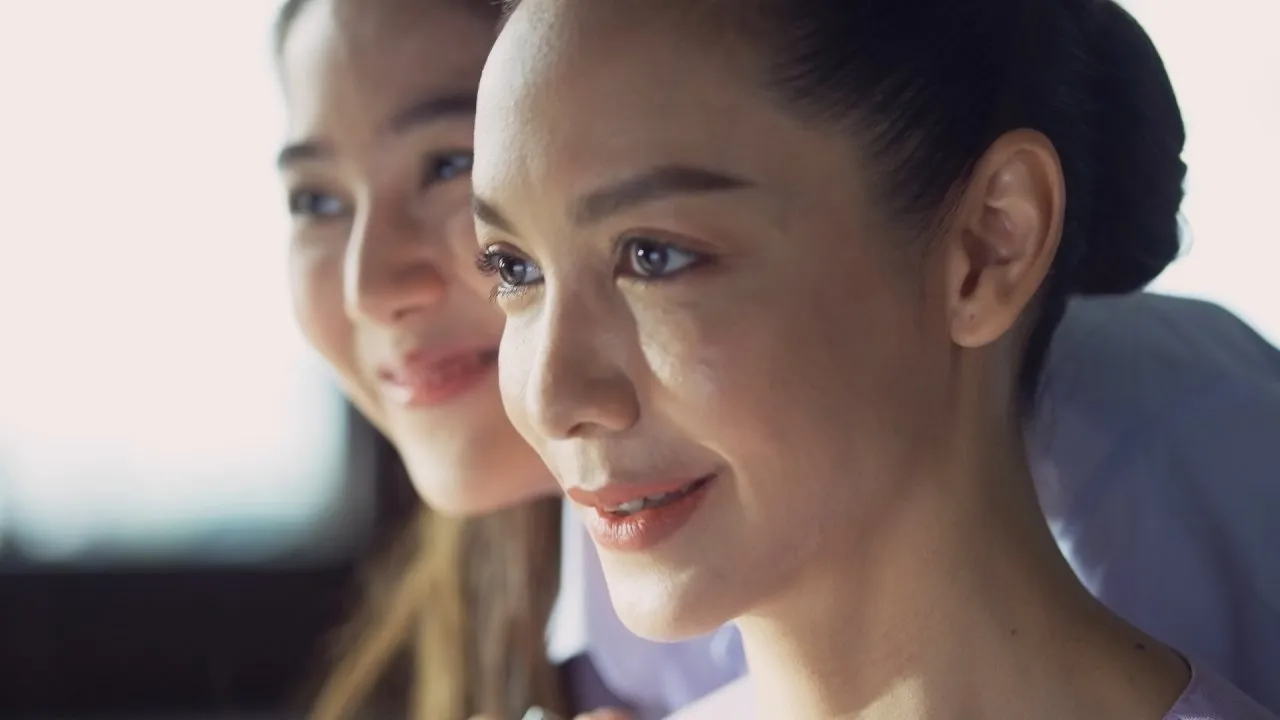
ภาพจากละคร มนุษย์แม่
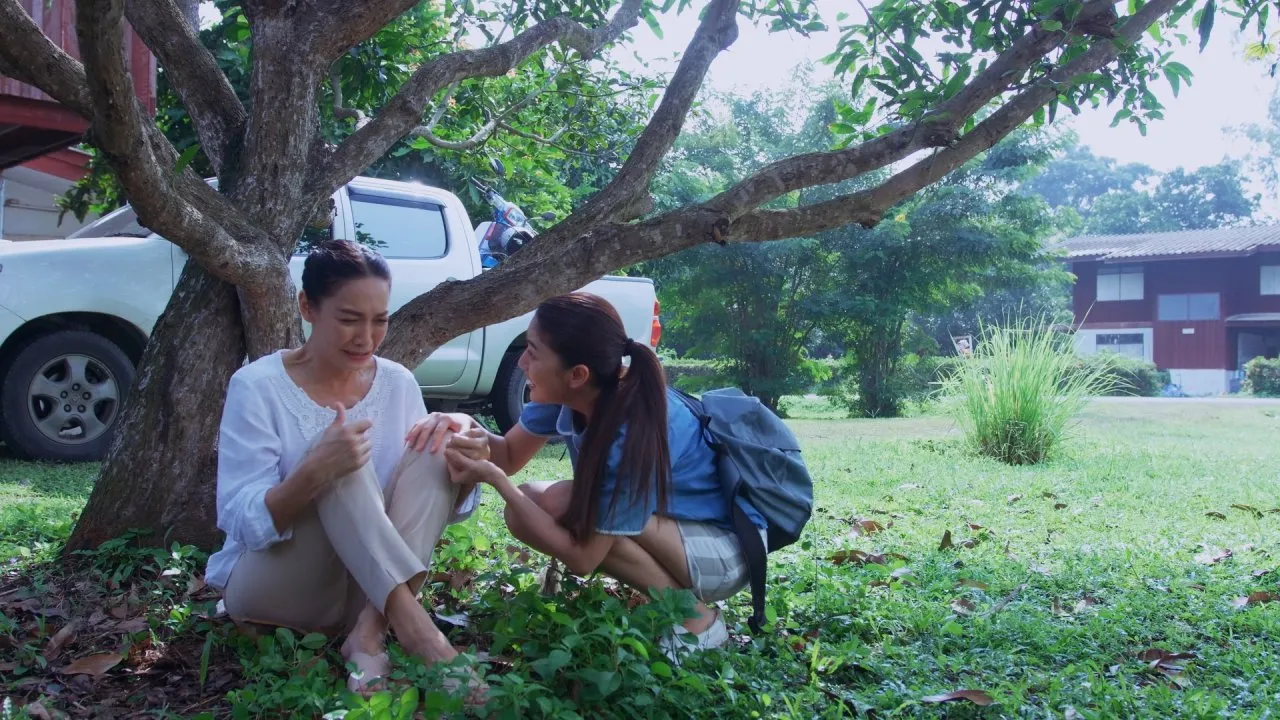
ภาพจากละคร มนุษย์แม่
Several studies have shown that autistic individuals possess powerful, unique strengths that help them fulfill the role of parent effectively. These include the ability to maintain routines and consistency, which helps children feel safe and secure. At the same time, focus and specialized skills enable autistic parents to dedicate themselves to researching and meeting their child’s needs with remarkable precision. Moreover, keen observation makes them sensitive to changes in behavior or in the child’s environment. And if their child also has special needs, these parents often become the strongest advocates, drawing on lived experience and profound empathy.
This means that the real obstacles for autistic parents are not their own limitations, but a world that fails to accommodate their way of perceiving and interacting. From environments overloaded with sensory stimuli that trigger sensory overload, to communication barriers with schools, to judgment from peers — these pressures can leave autistic parents feeling isolated. From environments overloaded with stimuli that trigger sensory overload — overwhelming the brain’s ability to process information — to communication barriers with their child’s school, and even judgment from those around them, these challenges all create pressure and deepen feelings of isolation.
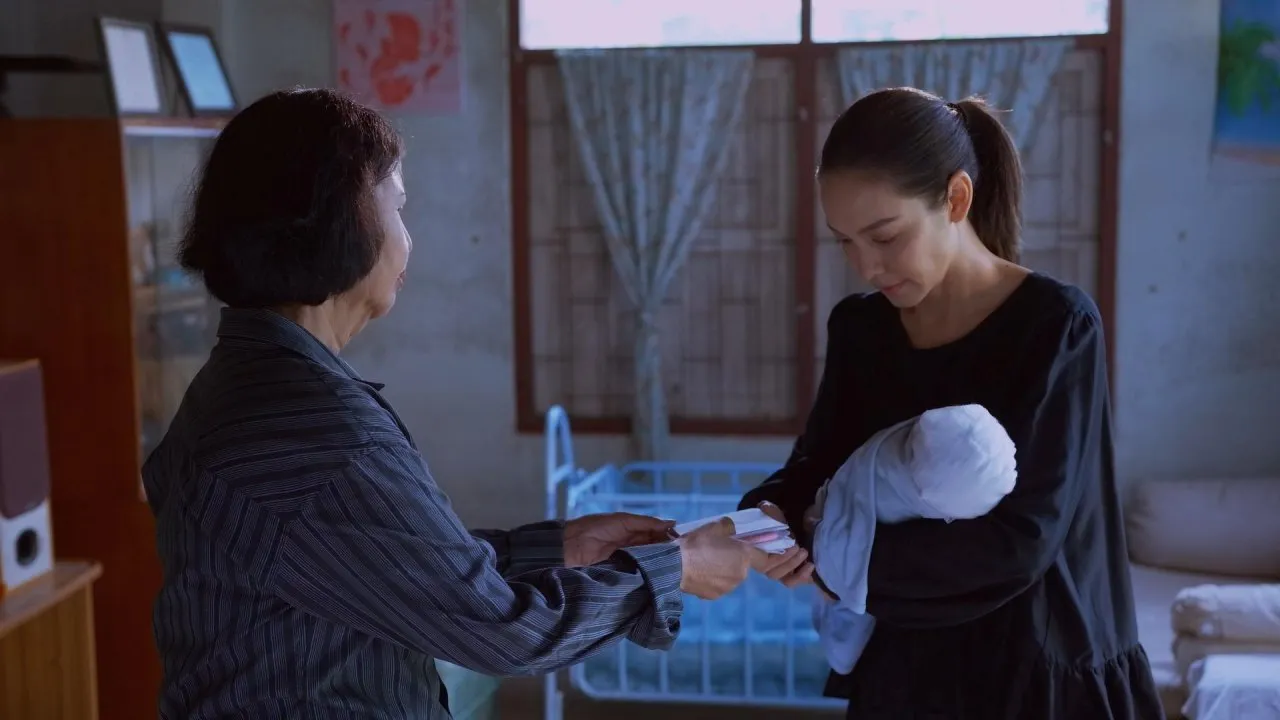
ภาพจากละคร มนุษย์แม่
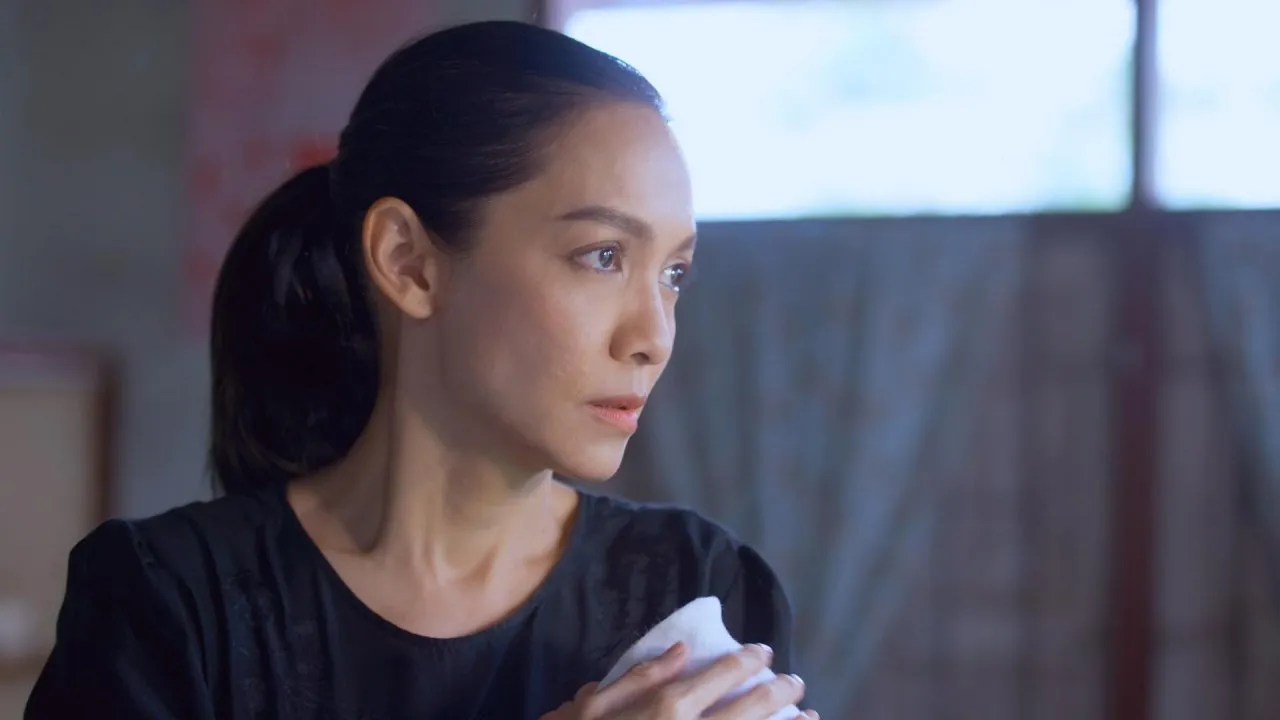
ภาพจากละคร มนุษย์แม่
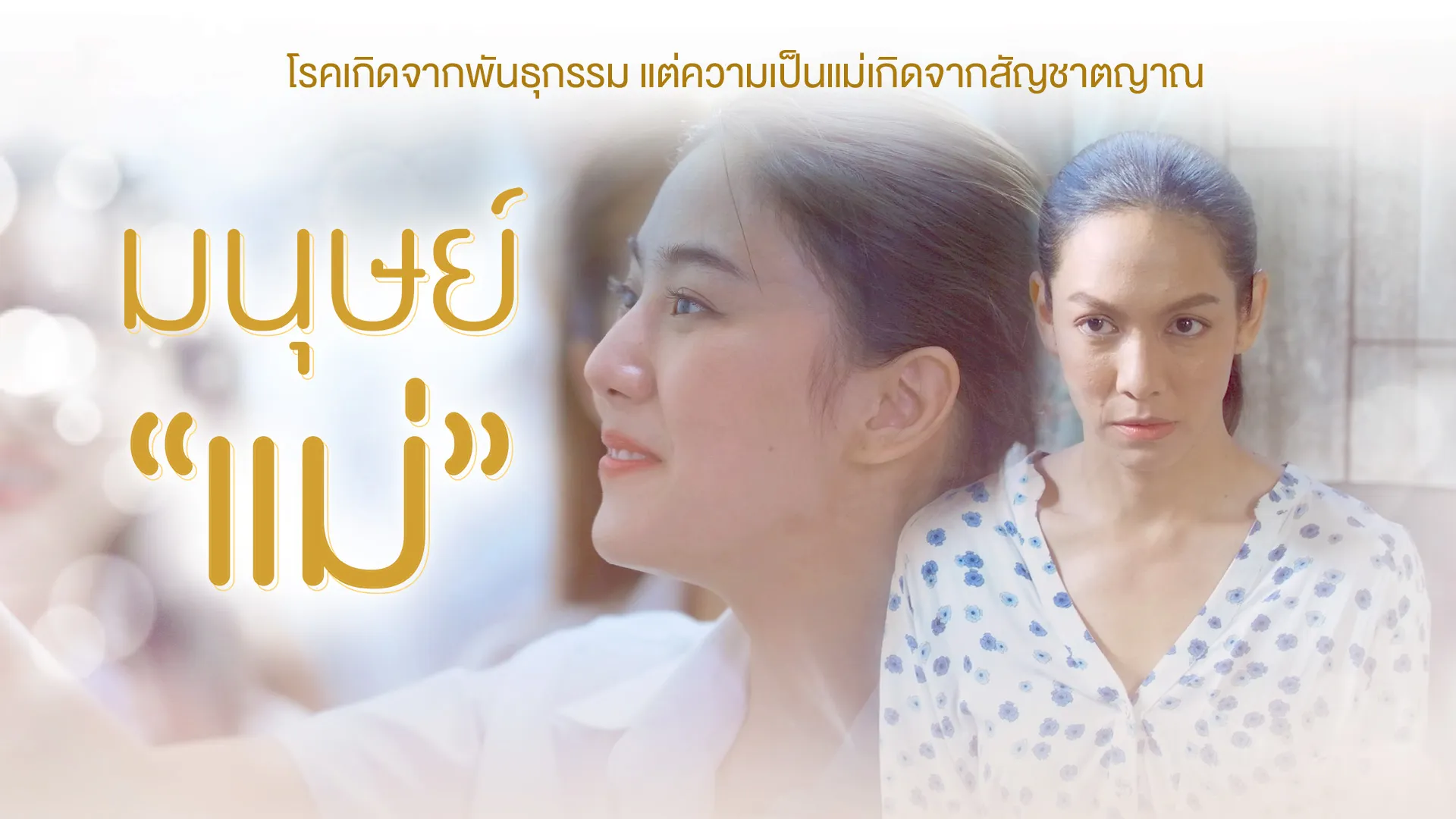
These very issues are explored in the Thai PBS drama “Manut Mae” (Motherhood), streaming on VIPA, which stands out for its bold decision to place an autistic mother at the center of the story. The character “Mai” is neither portrayed as a superhumanly self‑sacrificing mother nor diminished as incapable. She is vulnerable, scarred by past experiences, perceives the world differently, and must raise her child in an environment that offers little support. Yet Mai’s protective instincts and personal strengths become tools that help her nurture her daughter as she grows up.
At this point, “Manut Mae” presents its themes in clear alignment with international perspectives. We see the love and bond between mother and child gradually movingly transcending physical and social limitations. Yet, unfortunately, the series does not delve more deeply into everyday challenges — such as coping with the unpredictable emotions of an infant or the lack of sustained support networks that understand specific needs. Because Mai is shown carrying almost everything alone, the story risks appearing as a personal tragedy. If the drama were to also highlight the creation of systems that embrace diversity, or support groups attuned to specialized needs, it could elevate social attitudes and help audiences recognize the true potential of autistic parents to build families filled with love and warmth.
About Author