Taking the “Thai-ness” Exam: Proving Identity and Humanity on the Land One Has Lived for a Lifetime
Read 0
The investigative documentary Big Story Thai PBS UNCUT, Episode 6, titled “Taking the Thai-ness Exam,” uncovers the bitter truth faced by a group of people who migrated from Myanmar and have settled in Thailand for more than 40 years. Historically, the first generation was not born in this country. Yet nearly half a century of clearing land, farming, and raising families here has still not been enough for the state to recognize them as part of Thai society.
The major obstacle they now face is the “wall of examinations,” designed incompatibly with their real way of life. The test emphasizes academic knowledge and advanced Thai language proficiency. For elderly members of ethnic communities who have lived close to nature and used only their tribal language — or at most a local dialect — throughout their lives, the exam becomes a screening tool that is “not easy”. As a result, the right to become Thai seems out of reach simply because of “a single sheet of paper.”
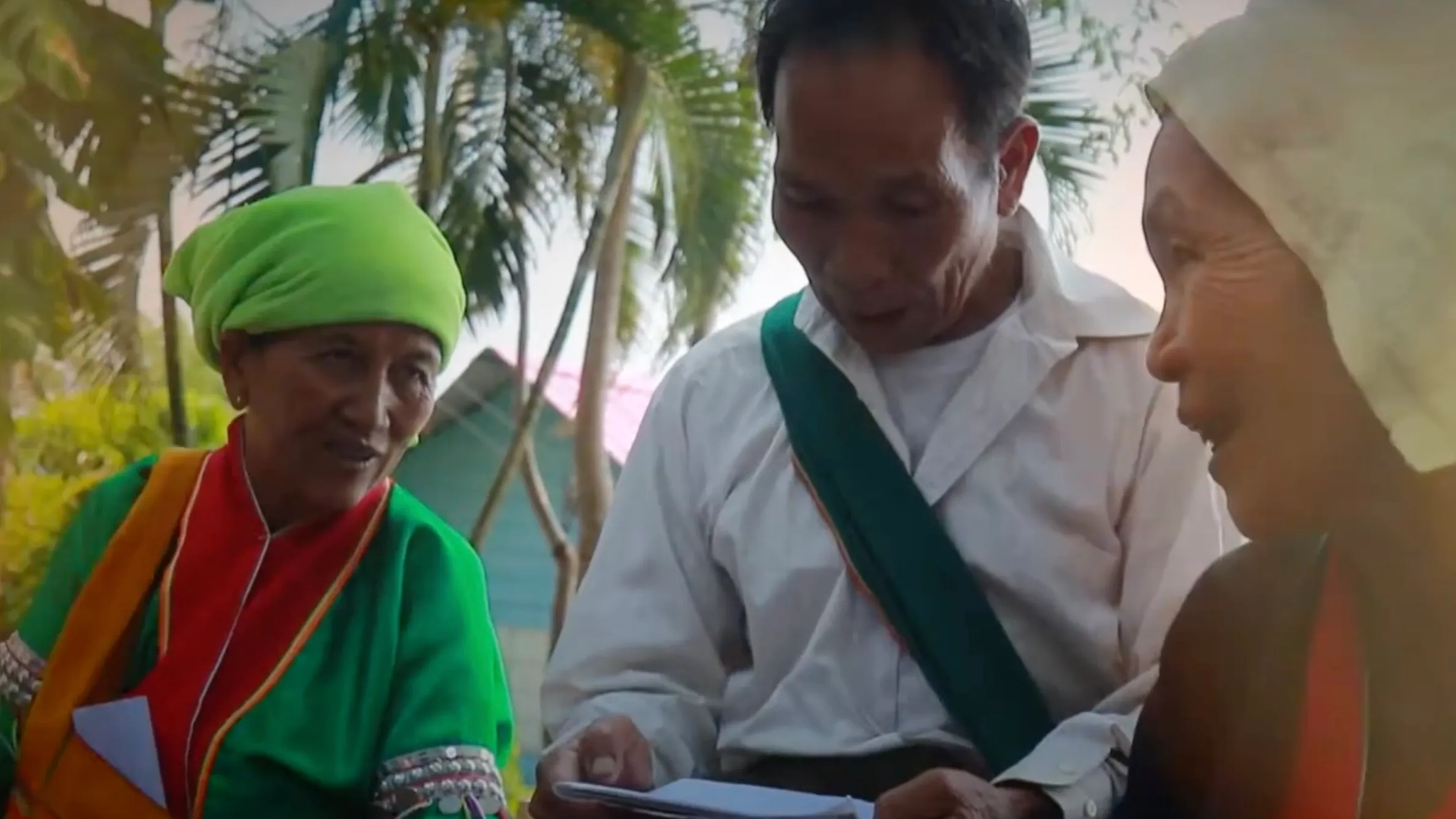
ภาพจากรายการ Big Story เรื่องใหญ่ Thai PBS UNCUT ตอน สอบเป็นไทย
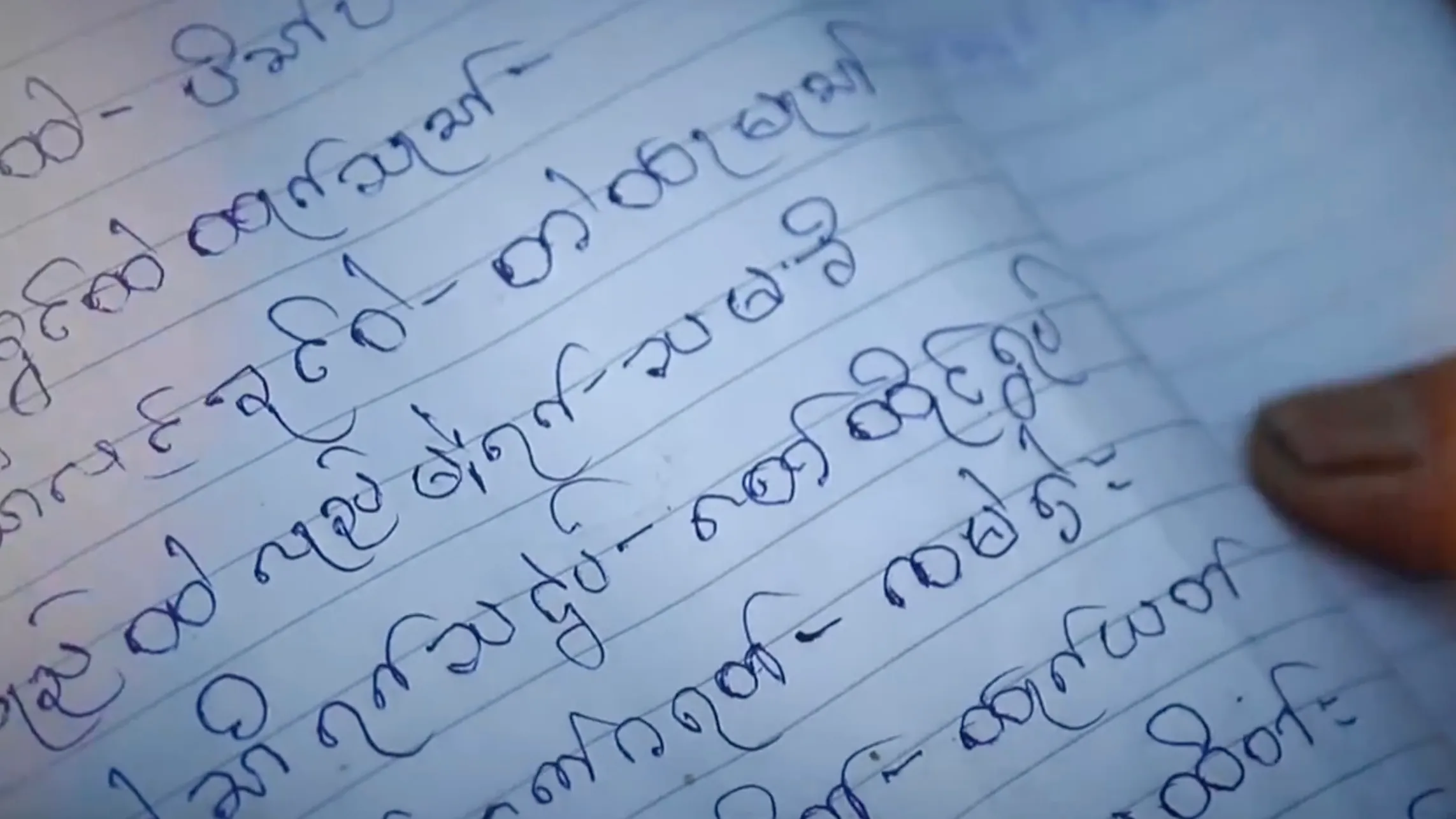
ภาพจากรายการ Big Story เรื่องใหญ่ Thai PBS UNCUT ตอน สอบเป็นไทย
The delays and loopholes in this process also create opportunities for “scammers” to deepen their suffering. These are people who take advantage by falsely promising to help secure citizenship in exchange for the hard-earned savings of those who simply want legal recognition in their final years. In the end, the faint hope they once held is extinguished again while some who persevere and finally “pass the exam” find themselves facing a new ordeal: being stuck indefinitely in the card-issuance process. The delays are often attributed to background checks or pending approvals from central authorities. As a result, the national ID card—meant to be a ticket to a new life—remains nothing more than an intangible status, forever out of reach.
Obtaining Thai citizenship is the most important turning point in their lives, because a single national ID card unlocks the “basic rights” that every human being should have. These include the right to free healthcare; the right to travel across districts to work openly without fear of arrest; the right to travel across provinces to visit their children and grandchildren; the right to enter into legal transactions or own land; and most importantly, the right to live with dignity as a “citizen,” not as a “temporary resident” who can be pushed away at any time. The fact that they have lived on this land for more than 40 years is clear proof that their hearts belong here. Yet what stands in their way are rigid regulations and a disregard for cultural diversity.
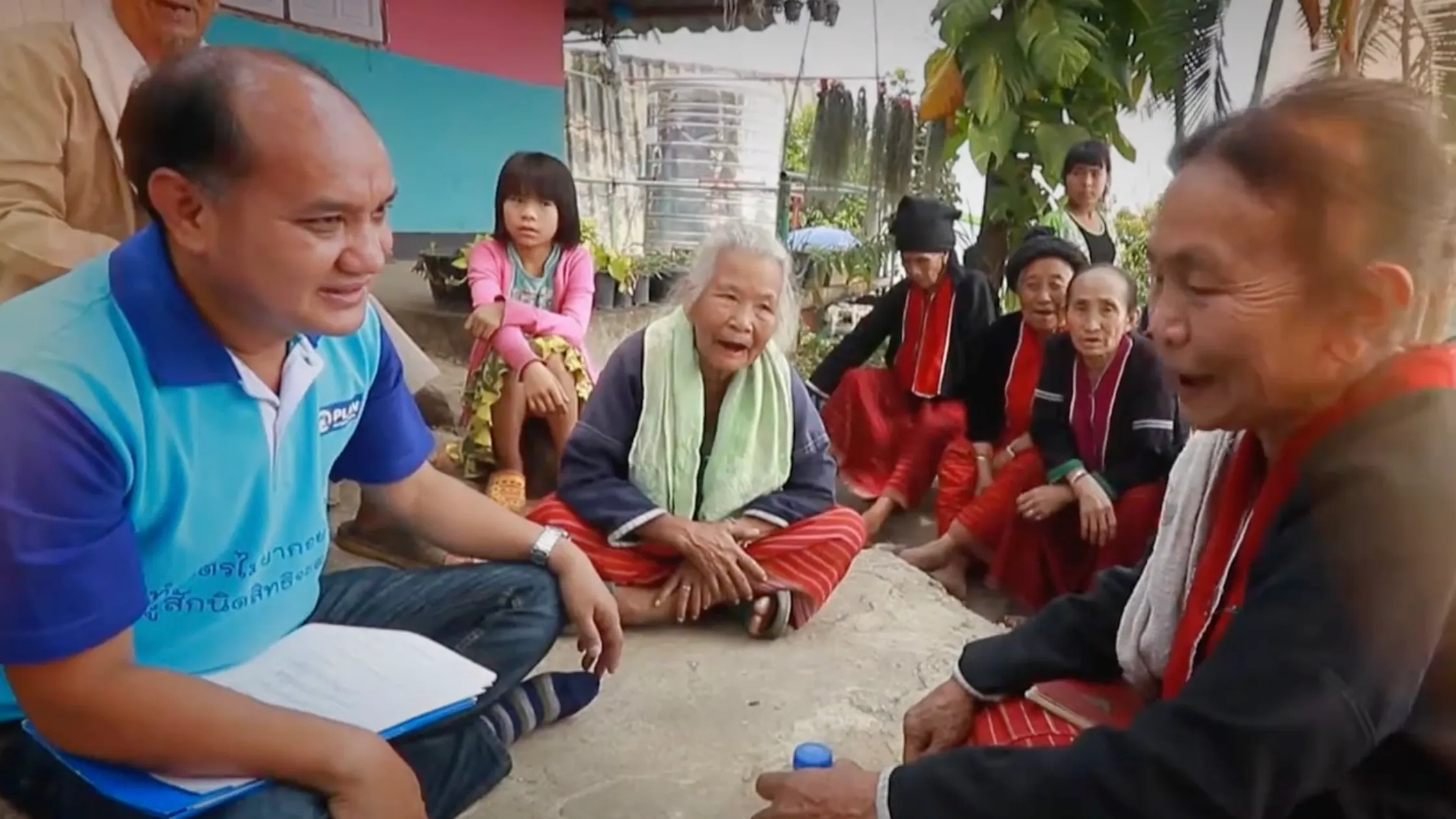
ภาพจากรายการ Big Story เรื่องใหญ่ Thai PBS UNCUT ตอน สอบเป็นไทย
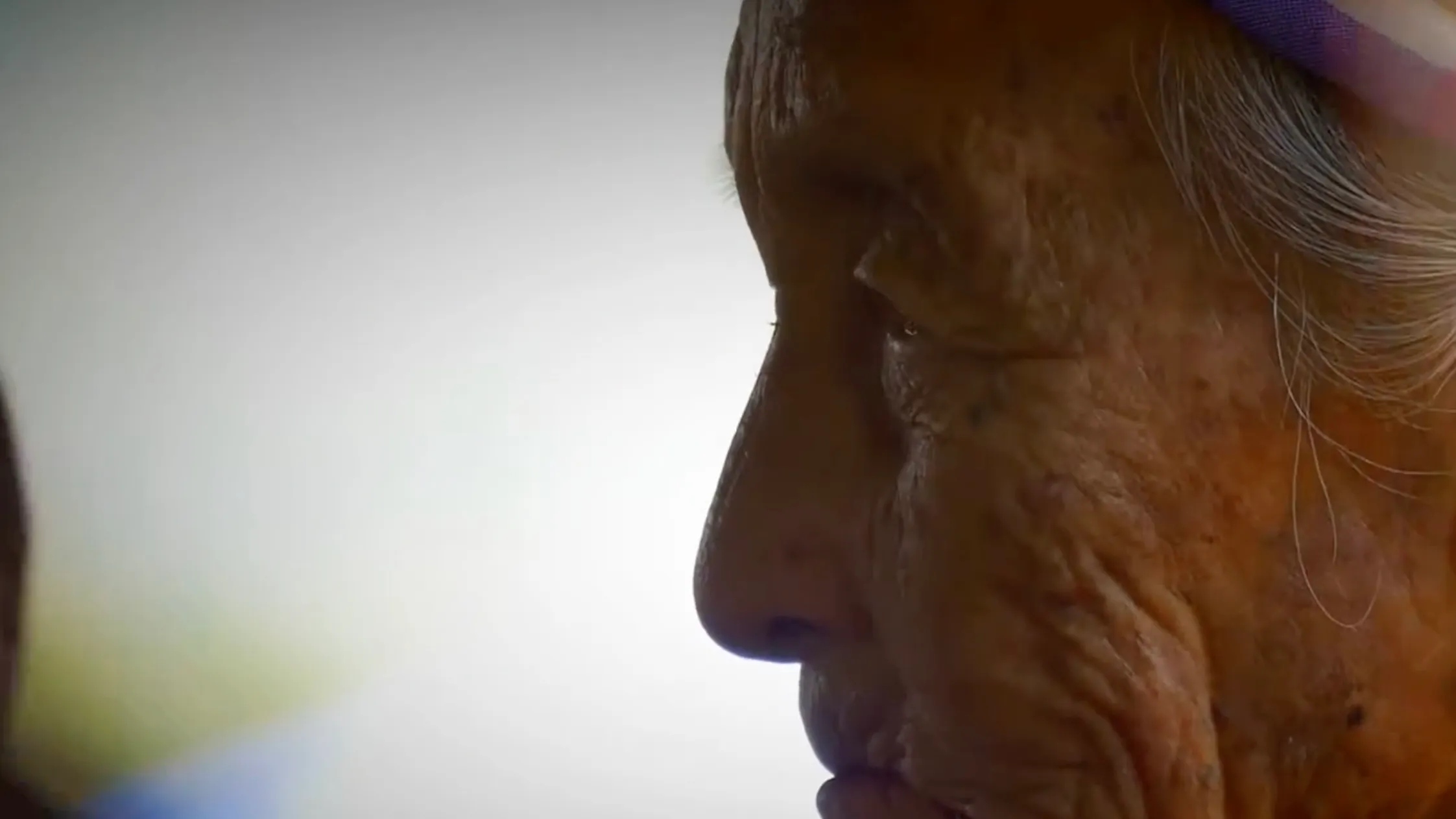
ภาพจากรายการ Big Story เรื่องใหญ่ Thai PBS UNCUT ตอน สอบเป็นไทย
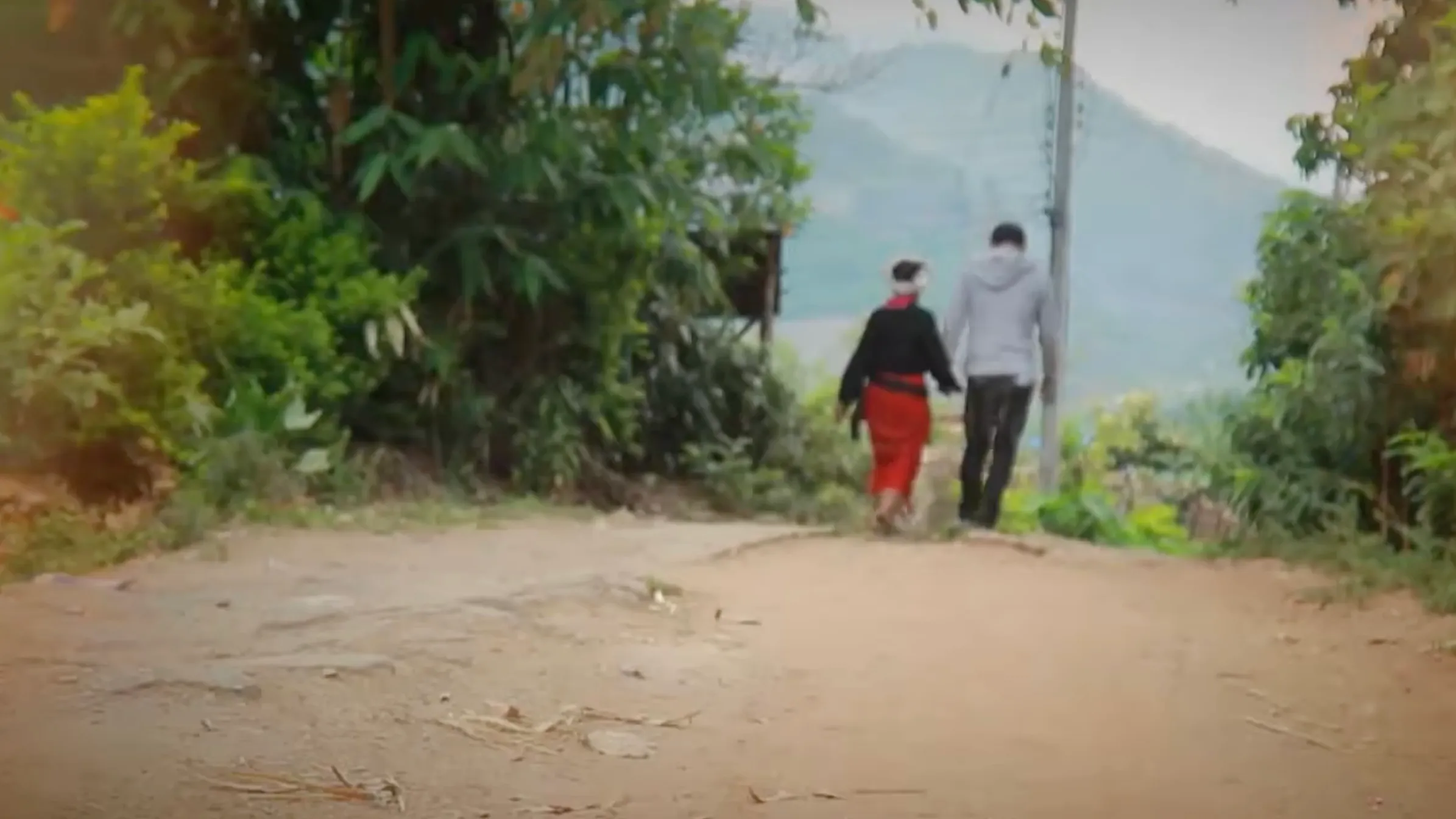
ภาพจากรายการ Big Story เรื่องใหญ่ Thai PBS UNCUT ตอน สอบเป็นไทย
Many questions arise as to whether this situation is akin to “being trapped in a prison without bars.” They are not confined by chains, but by laws and by state attitudes that treat people unequally. When a group of people must prove their humanity through an exam and by singing the Thai national anthem—using a language that does not reflect their real daily lives. Does this reflect a society that values order more than human rights? As long as the state cannot lower these barriers and recognize the truth that they have been one of the gears helping to build this country for decades, the “Thai-ness exam” will remain a test that is “far from easy,” one that take away life and breath of these people until their very last days.
About Author

บอส หลงอินเดีย
นักเขียนผู้รักประวัติศาสตร์และความแตกต่าง ที่หลงใหลการเดินทางและการจดบันทึก เพื่อเข้าใจความคิดผู้คนต่างวัฒนธรรม