Miasma, Plants, Export Paintings: Can images taken through the eyes of the oppressor truly tell the story of the oppressed?
Read 0
Asung, Agam, Akiu, and Agut—identified by art historians more commonly as Sunqua, Lam Qua, Tinqua, and Spoilum—were four Chinese painters working in Guangdong in the early nineteenth century. They produced meticulous illustrations of tropical plants for British merchants and naturalists. Their works crossed the seas to the Royal Botanic Gardens at Kew, where they became invaluable scientific records. Preserved, studied, and cited to this day, these paintings continue to shape botanical knowledge.
Yet in the records of those British merchants and naturalists, the four painters were never remembered as “artists.” In other words, in the eyes of the colonizers they were merely Chinese laborers, insignificant in the pages of history and even in the world of art.
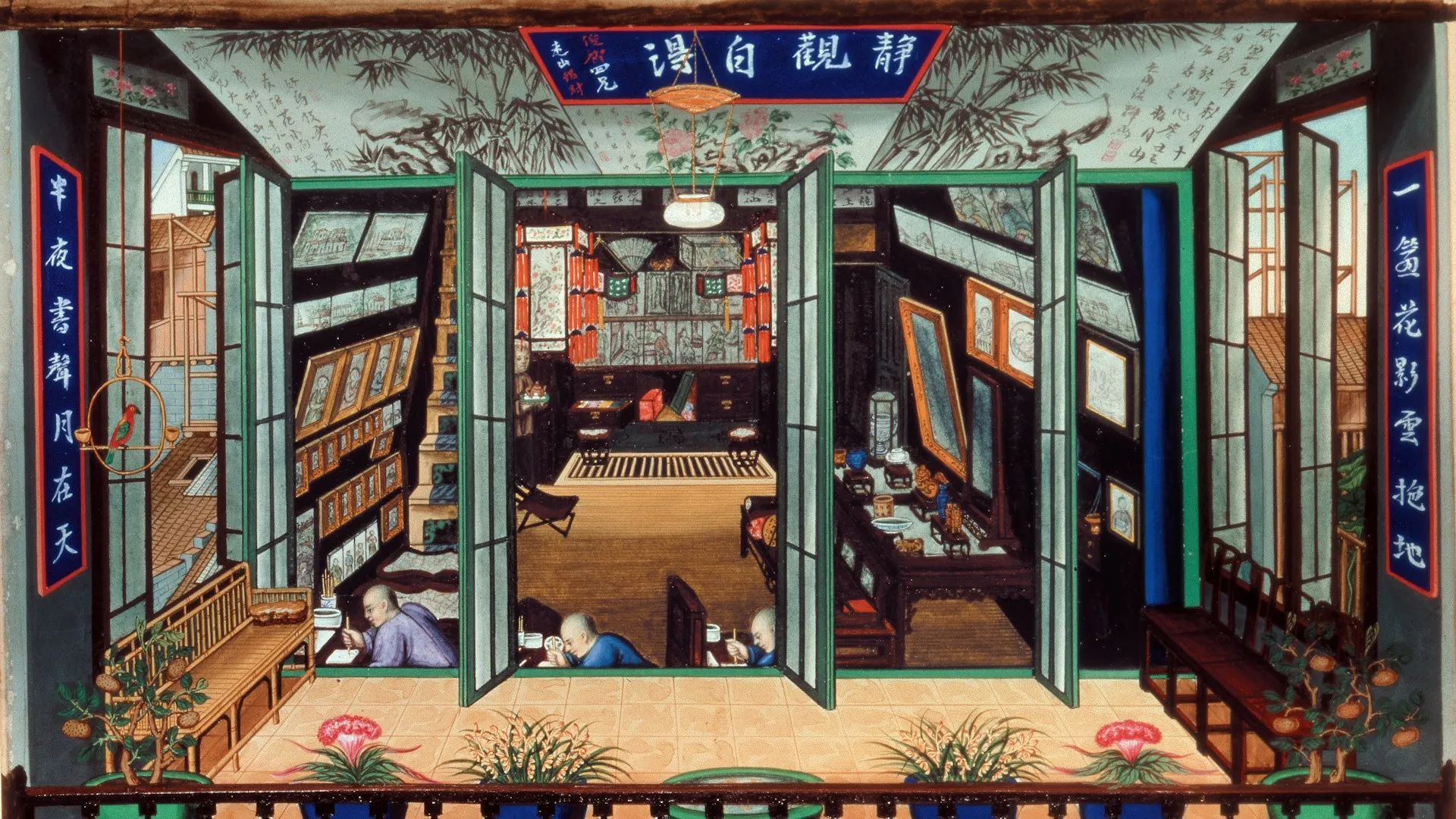
Image from the documentary Miasma, Plants, Export Paintings
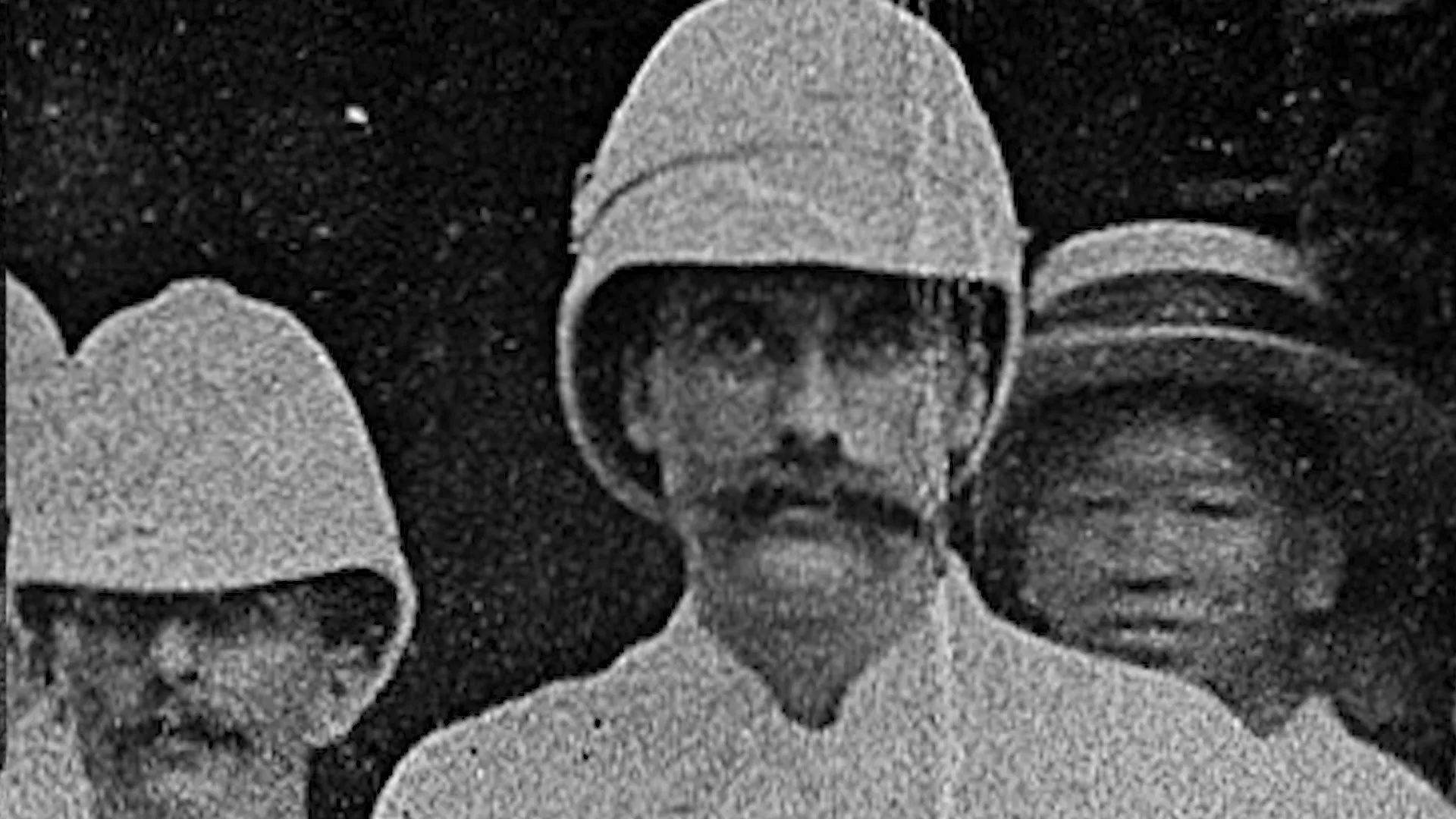
Image from the documentary Miasma, Plants, Export Paintings
Bo Wang and Pan Lu drew on this episode in their 2017 experimental documentary Miasma, Plants, Export Paintings. Remarkably, though only 28 minutes long, the film weaves together a wide range of historical fragments in a sharp and intelligent way. These range from the Western misconception that ‘miasma’ caused epidemics, to the colonial view that Chinese people lacked knowledge of visual arts, to Britain’s use of opium as a tool of domination. All these threads converge on a central question: what attitudes and methods did a colonial power like Britain employ in occupying territories such as Hong Kong, and how have they continued to shape the thoughts and lives of the colonized up to the present day?
To tell this story, the two directors combined diverse elements from the archives—photographs, footage, maps, and paintings—with information drawn from colonial‑era records. Yet instead of simply transmitting the familiar body of knowledge, they overturned it with new perspectives, prompting viewers to revisit those materials through different, even opposite, eyes.
Put more directly, the archives once compiled by the British to narrate Hong Kong for Western audiences are rewoven by the filmmakers into a set of questions. Why were Hong Kong people represented in that way, and how did such portrayals arise from the actions of the British themselves?
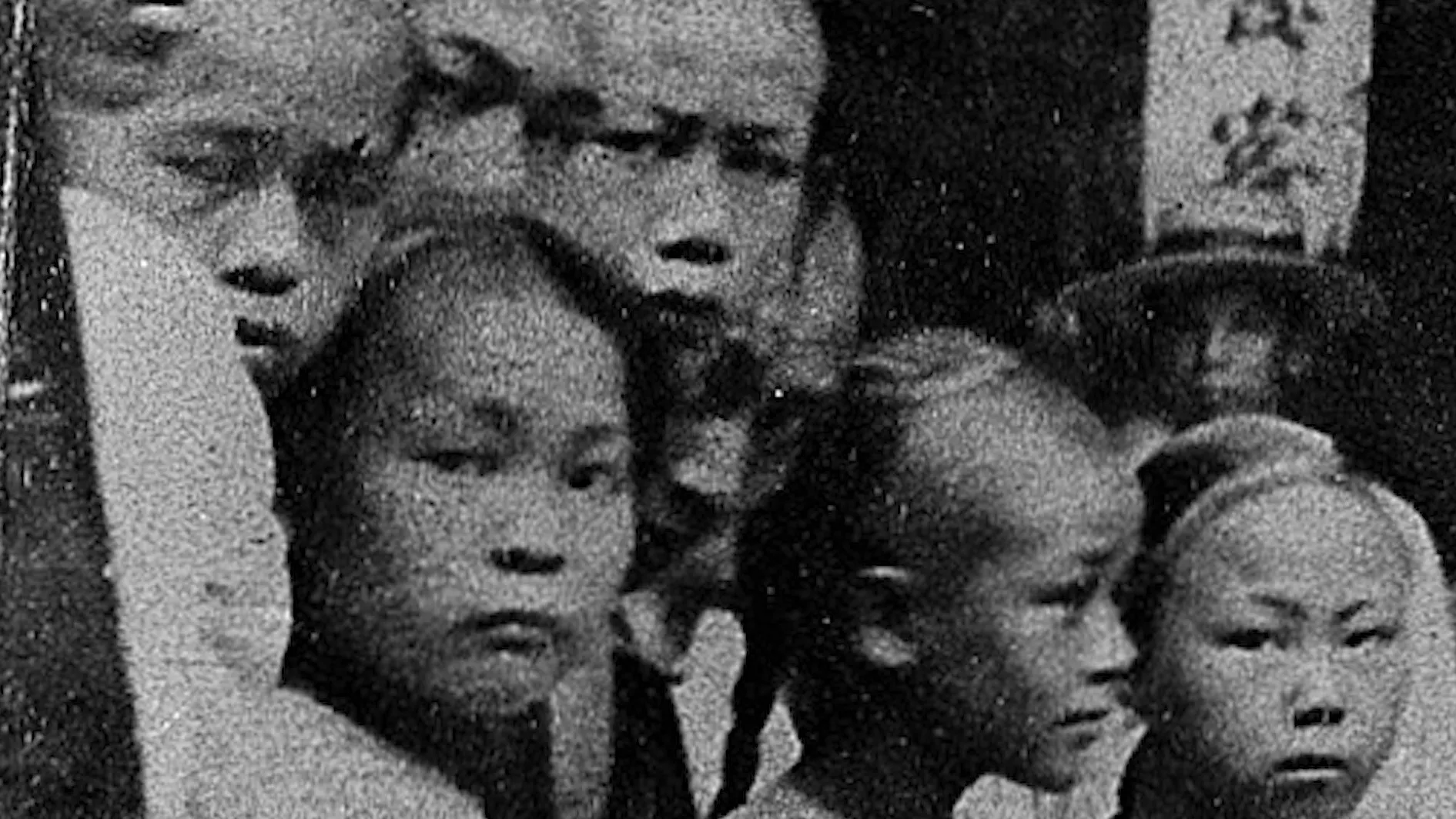
Image from the documentary Miasma, Plants, Export Paintings
Miasma, Plants, Export Paintings is not the only film to take this approach. In fact, it belongs to a growing body of cinema that has emerged over the past two decades, united by its use of archival materials produced through the colonial gaze—records that often portrayed local people merely as objects or specimens for anthropological study. A shared question running through these films is: when the surviving evidence was recorded through the eyes of the oppressor, how can it be used to tell the story of the oppressed without reproducing the original violence?
To address this challenge, these films often employ a method of ‘dismantling and re-editing.’ Rather than using old footage to tell stories according to the cameraman’s original intent, they reconstruct it by cutting, enlarging, and juxtaposing until the original meaning collapses and a new one takes shape. They may also add layers of complexity to the presentation—for example, dual- or triple-screen projection (Miasma, Plants, Export Paintings was first released as an installation), the addition of sound to images, or staged interventions. All these techniques serve to dismantle the narrative structures inscribed in the original records.
The outcome of this method is to provoke viewers into questioning the mainstream history they once memorized, leading to new inquiries: who truly authored those records? How is a nation’s collective memory assembled through the acts of being made to remember certain things and to forget others? And whose voices were once suppressed—voices that deserve to be brought back and heard anew by people today.
Bo Wang extended this line of thought in his 2022 film An Asian Ghost Story, which follows the complex, wandering journey of a ‘wig ghost.’ The narrative recalls 1965, when the United States banned the import of ‘Asiatic hair’ to prevent foreign currency from flowing into Communist China. The definition was later shifted to ‘communist hair,’ opening the way for allies such as South Korea and Japan to manufacture wigs instead. This single order shook the light-industry sector across East Asia, with Hong Kong serving as the gateway between Mao’s China—the largest source of hair—and the hungry Western market. During its boom years, wigs rose to become the colony’s fourth most valuable export.
What emerges from this method is a reminder that hair, in this context, is no different from the paintings of Asung and his peers: a commodity generating immense profit through the hands of nameless, faceless laborers, while being classified and branded by powerful states according to race and ideology. Bo Wang revives this history by letting a ghost inhabit the wig—a ghost of both the workers and the empire, able to cross borders in ways that many living people never could. He blends observational documentary, staged scenes, and archival news footage with rough VHS-style images, until the line between the real and the fabricated dissolves entirely.
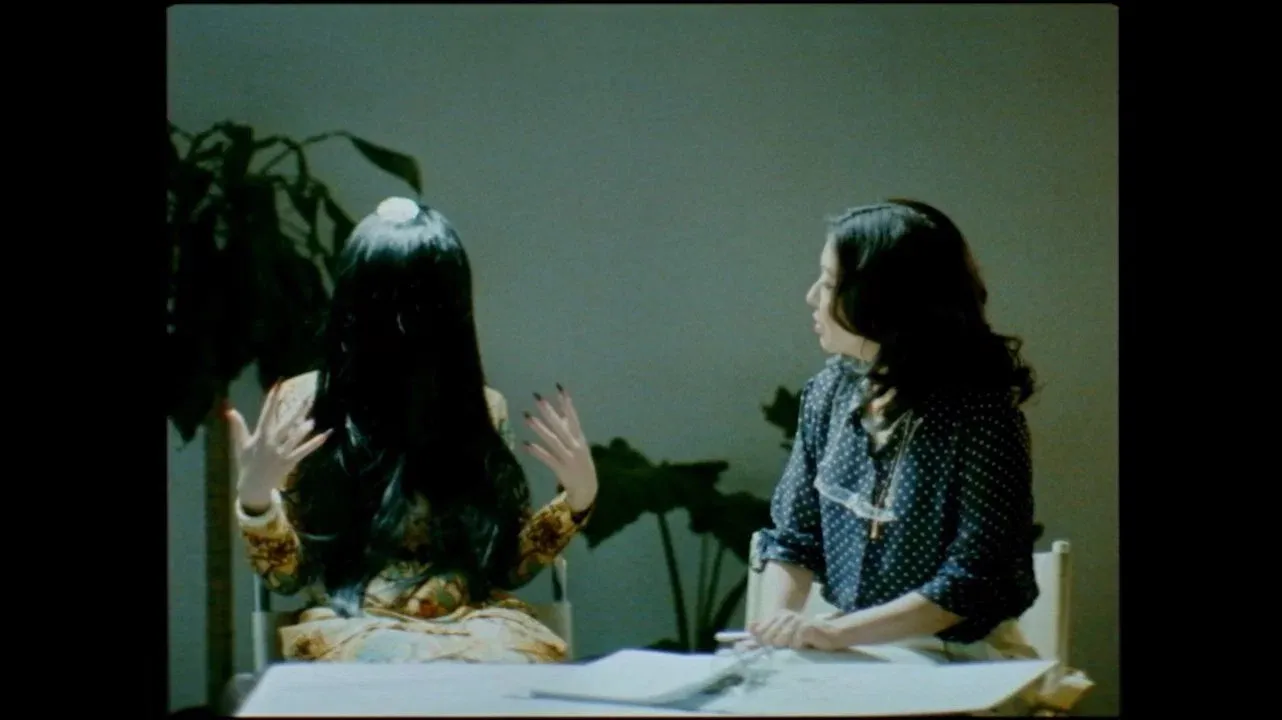
Image from the film An Asian Ghost Story
This method of dismantling archives is not entirely new. In the 1980s, one of the most prominent filmmakers working in this vein was John Akomfrah, a British director of Ghanaian descent and co-founder of the Black Audio Film Collective. He made Handsworth Songs in response to the Black uprisings that erupted in Birmingham and London in 1985, after one Black woman died and another was left disabled when police raided their homes.
While mainstream media at the time portrayed the uprisings as irrational Black frenzy, Akomfrah instead layered together news footage, archival photographs, and interviews to reveal that the violence did not emerge from a vacuum. It was rooted in the history of colonialism and in the migrations shaped by the British Empire itself.
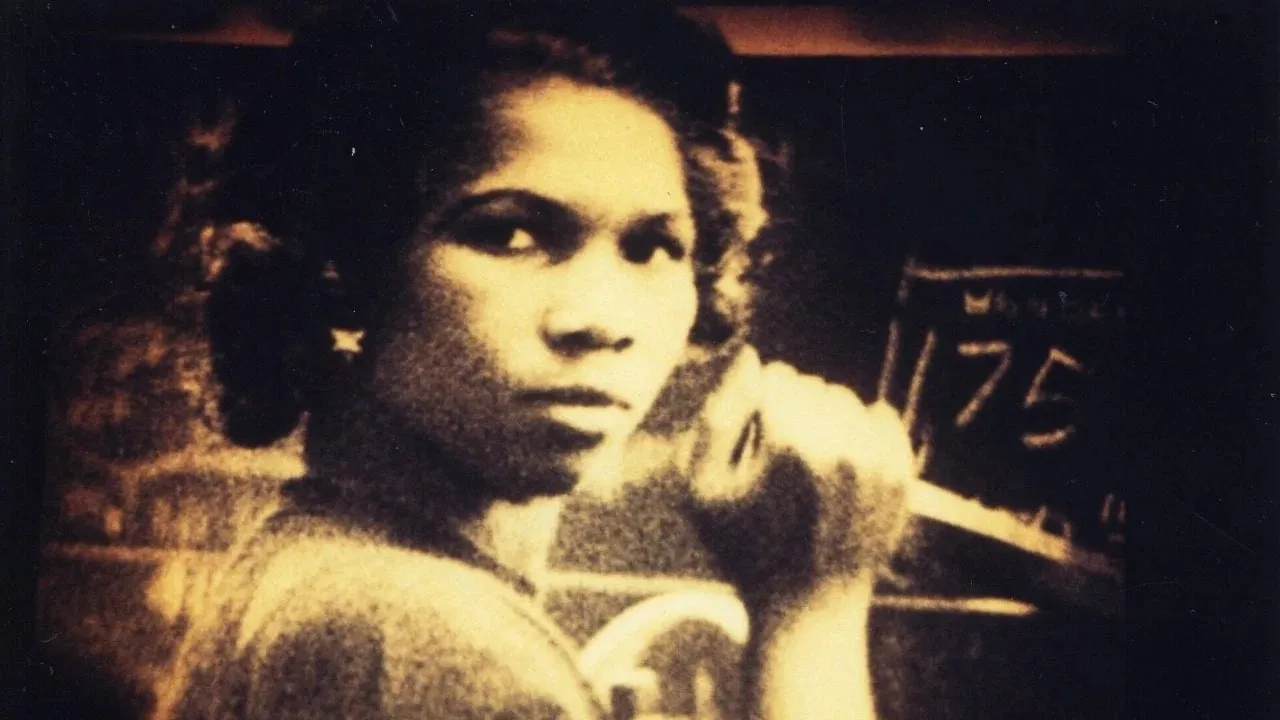
Image from the documentary Handsworth Songs
One line echoes throughout the film: ‘There are no stories in the riots, only the ghosts of other stories.’ It suggests that what haunts the present is the unresolved past. The film went on to win the Grierson Award for Best Documentary the following year, and has since become a landmark in political cinema and in films about Black life in Britain.
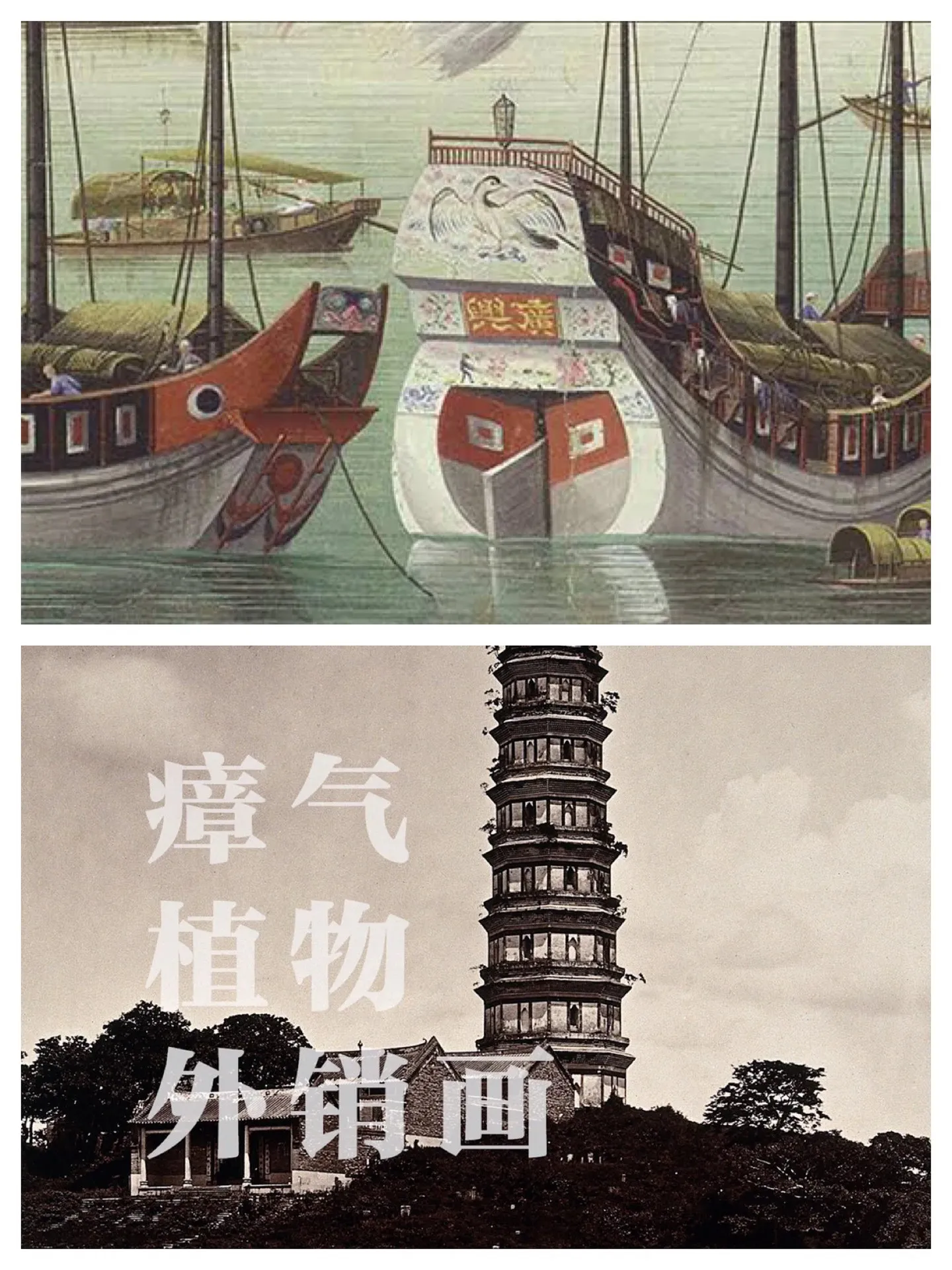
▶ Watch the documentary Miasma, Plants, Export Paintings A two-channel short film by Bo Wang and his frequent collaborator Pan Lu. It takes the history of the British colonial search for tropical plants as a starting point, revealing how early colonial rule and ideologies shaped Hong Kong through the Western gaze.
Watch on www.VIPA.me and VIPA Application