Cutting Through Rocks: He will change her. She will change the world.
Read 0
During the filming of this documentary, Iranian authorities raided the apartment of husband-and-wife directors Sara Khaki and Mohammadreza Eyni. Officials searched the premises, confiscated the hard drives containing their footage, and took them in for interrogation. Consequently, the couple was slapped with a one-year travel ban—all because they were making a film about a woman.
Her name is Sara Shahverdi—a 37-year-old divorced woman with no kids. She is a former village midwife who lives to ride motorcycles, and she just became the first woman elected to the local council, winning by a landslide that shocked everyone.
Situated in an Azeri-Turkic community in northwestern Iran, this village strictly adheres to traditional customs and religious practices. The majority of women in Shahverdi’s age group are forced to drop out of school upon entering their teens, as male elders expect them to marry, bear children, and remain within the home. Furthermore, any property or land inherited from their parents is typically transferred to their brothers or husbands, denying them any right to joint ownership.
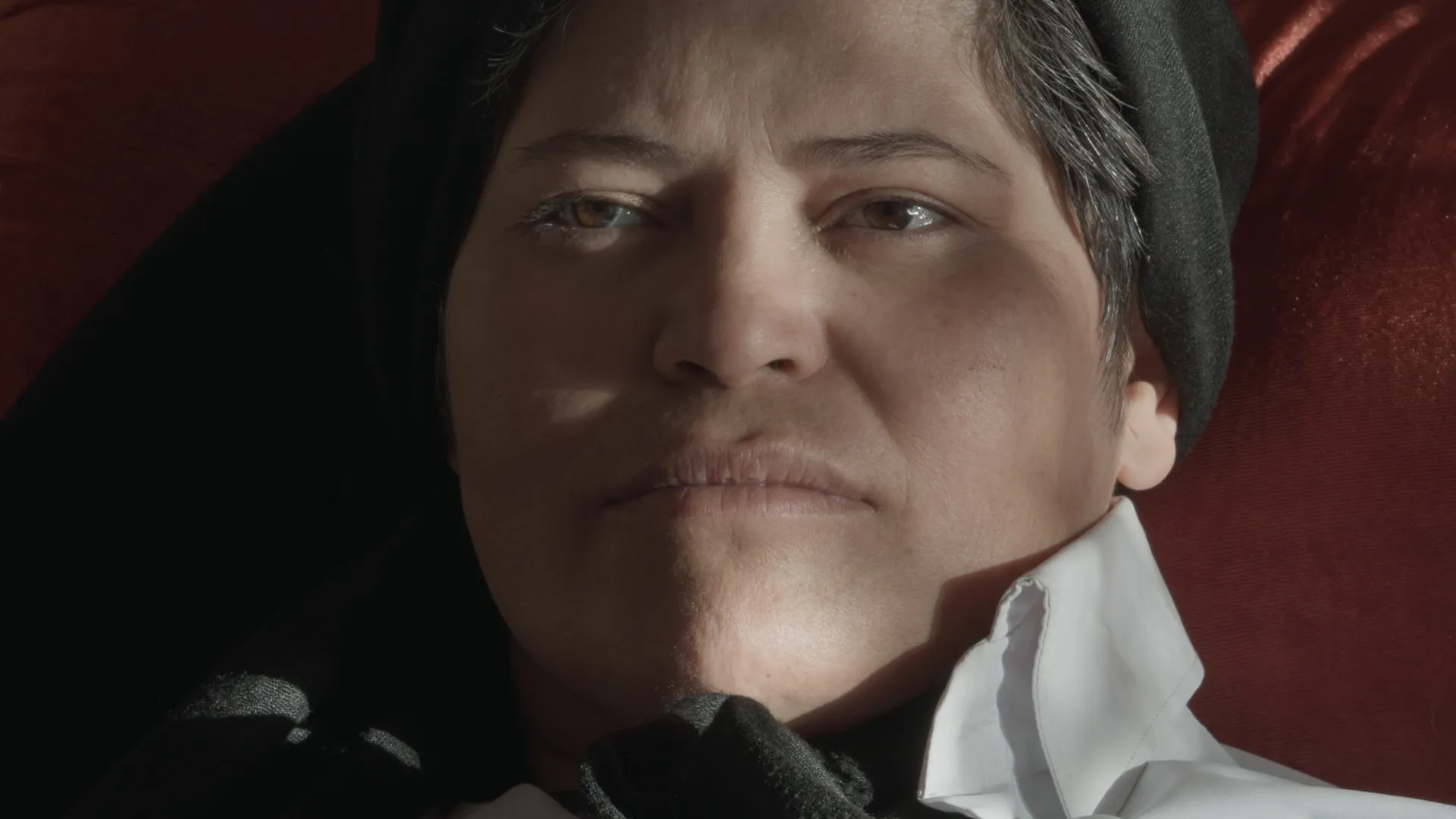
Image from the documentary Cutting Through Rocks
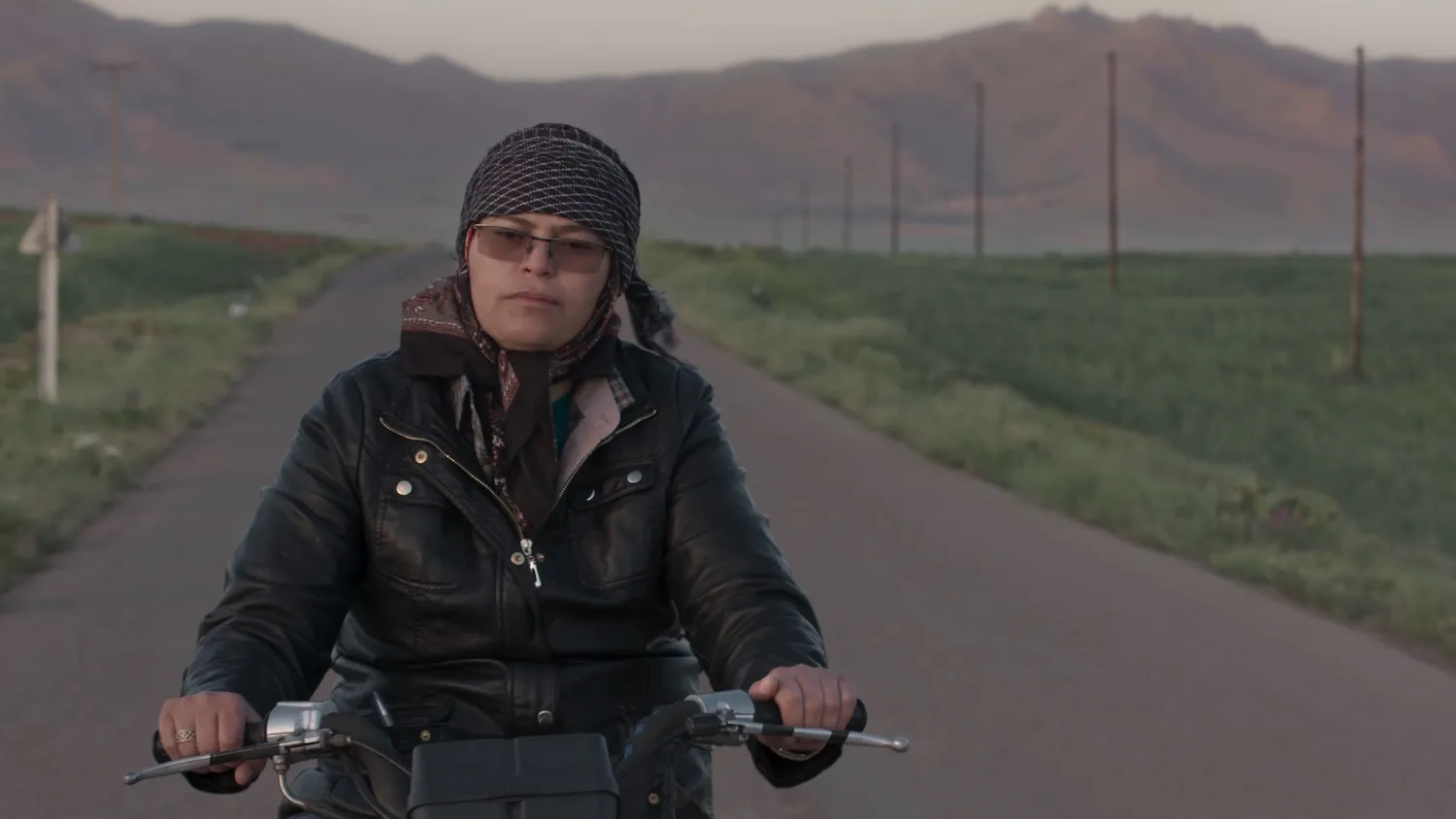
Image from the documentary Cutting Through Rocks
But Shahverdi grew up differently. Her father wanted a boy, but when she was born, he gave her the kind of freedom usually reserved for men. She learned to ride and fix motorcycles, and even did construction work. After her father died when she was 16, she became the family's backbone. She fought to continue her education and became a midwife, delivering over 400 babies in her village. And when her brothers forced her sisters to give up their inherited land, Shahverdi was the only one who dared to march into their house, making a scene until they finally gave the land back.
For several years, Khaki and Eyni followed Shahverdi’s journey, especially during her run for the local village council, where she campaigned on a progressive agenda for women's rights. The co-directors dedicated themselves to multiple extended visits, staying for periods of two to three months to immerse themselves in different families and foster mutual trust. According to Eyni, their marital and professional partnership provided a critical advantage. Given the village's rigid separation of male and female spaces, the couple divided tasks seamlessly: Khaki gained access to private female gatherings to observe their daily interactions, while Eyni embedded himself in male-dominated teahouses, capturing routines that clearly reflected the patriarchal worldview.
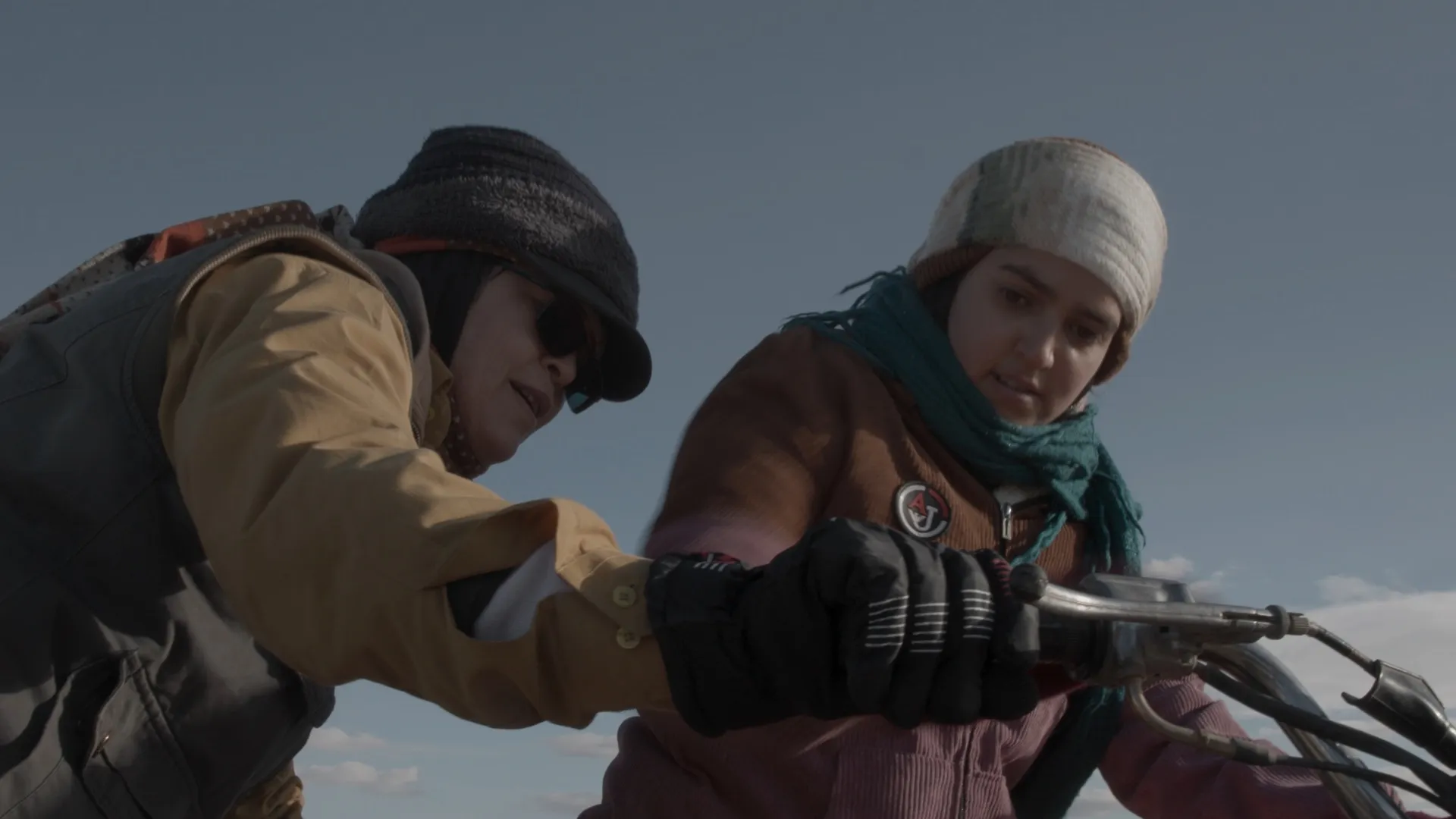
Image from the documentary Cutting Through Rocks
While it all sounds simple enough and hardly risky, Khaki and Eyni still ended up under close government surveillance. (Anyone who follows Iranian cinema has likely heard of directors being investigated by the government, or even worse, arrested, put under house arrest, or banned from leaving the country). But in their case, they managed to slip through, finish their movie, and finally screen it at international film festivals.
Cutting Through Rocks made its debut at the 2025 Sundance Film Festival, where it clinched the World Cinema Grand Jury Prize for Documentary. Later that year, it went on to win the Audience Award at IDFA Amsterdam, the world’s largest documentary festival. This spectacular run culminated in an Academy Award nomination for Best Documentary Feature in 2026, firmly establishing the names of Khaki, Eyni, and Shahverdi on the global stage.
Shahverdi herself could not attend the film’s Sundance premiere owing to visa issues. However, following the screening, Khaki informed the audience that Shahverdi was thriving. Her tenure on the local council had ended with significant achievements, and she had since started a carpet-cleaning service to support women in her community—a piece of news that brought immense joy to the attendees.
“It breaks my heart every time I see an 11-year-old girl who already has two children. She has no education, no say in her own life, and was completely robbed of her childhood. She belongs in school, not tied down to domestic life.” This poignant remark deeply moved many in the audience, much like her repeated reminders to those around her: “Everyone loves to tell me that I am an exception—that I am somehow different from them. But the truth is, I’m not. If you fight for what you want, believe me, you can stand right where I am too.”
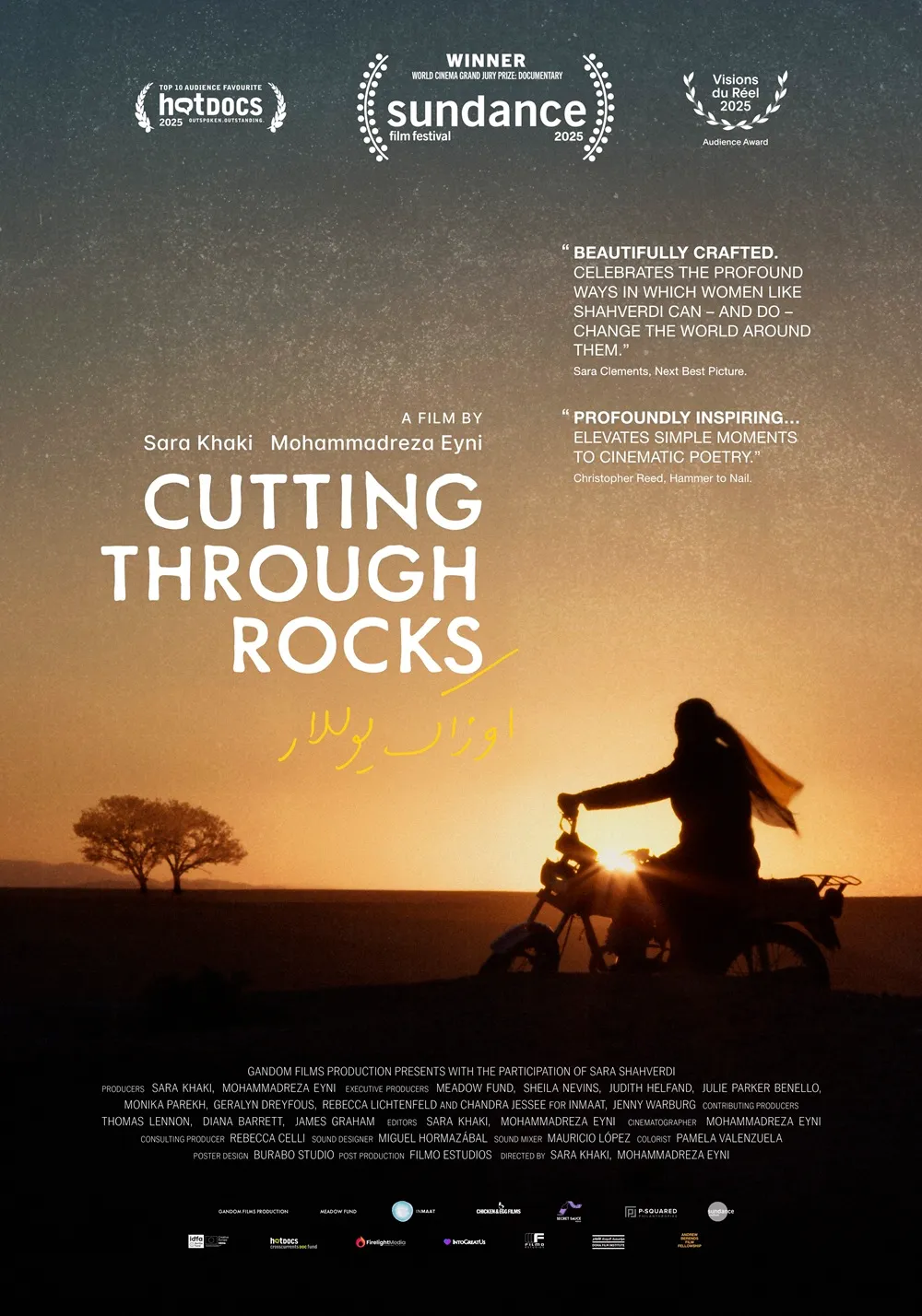
▶ Watch the documentary Cutting Through Rocks: He will change her. She will change the world. The documentary follows the life of Sara Shahverdi, the first woman to sit on the council of a rural Iranian village, as she challenges the patriarchy and works to empower young girls to dream of freedom, education, and the right to choose their own lives. The film captures her everyday life up close.
Watch on www.VIPA.me and VIPA Application