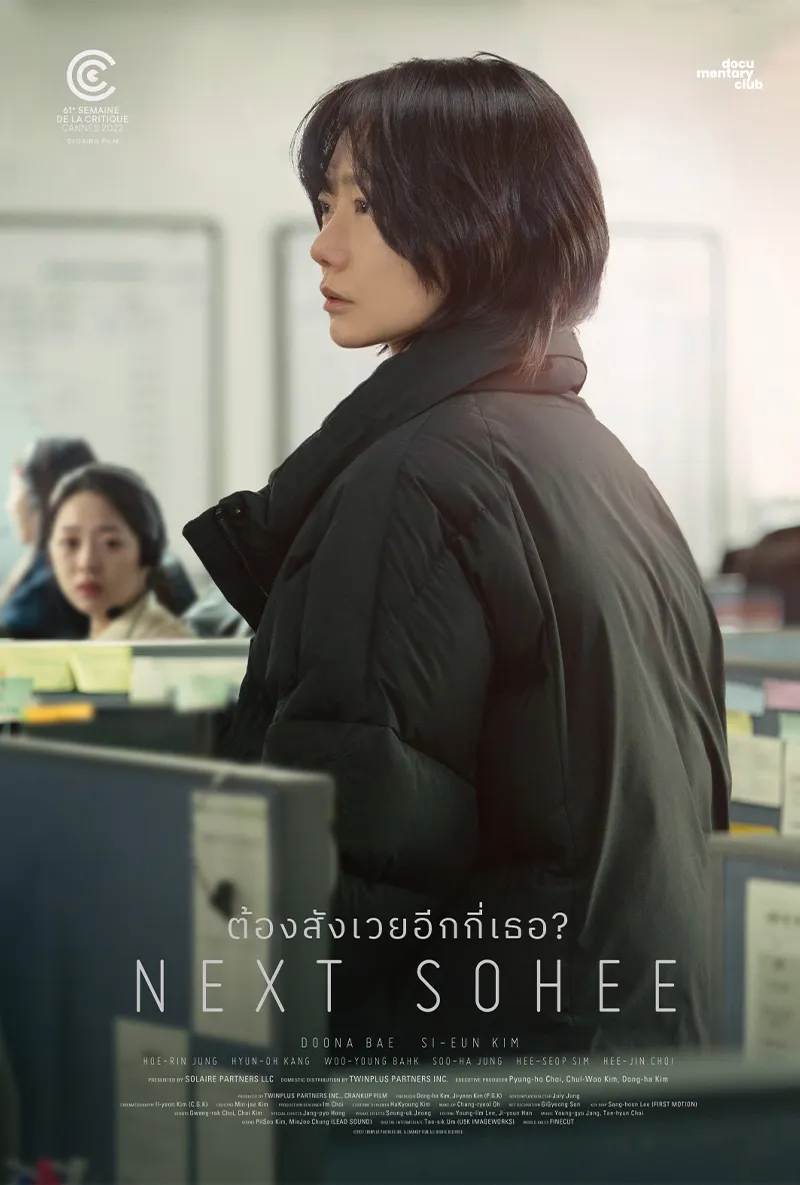
How many more lives like Sohee must be sacrificed?
Read 0
On January 23, 2017, the body of a 19-year-old girl was discovered in a reservoir on the outskirts of Jeonju, South Korea. Media outlets reported her story under the pseudonym 'Hong,' revealing that she was a final-year student at a local vocational high school.
Three days prior to the incident, she mentioned to her family that she was exhausted and needed a day's rest. She then stepped out of the house, never to be seen again.
The employment Hong requested leave from was a school-sponsored 'field training' program at a subcontractor for LG U+, a major telecom company. Operating as a call center agent, she was part of the 'retention team,' whose duty was to field cancellation calls and employ any tactic necessary to convince customers not to terminate their services.
According to the standard agreement signed between the school and the company, interns were supposed to work 7 hours a day for a monthly salary of 1.6 million won (approximately 35,000 baht). However, the actual contract presented by the company unilaterally slashed the base salary to just over 1.1 million won (around 25,000 baht). The remainder was structured as performance-linked commissions, meaning that no matter how hard she worked or how much pressure she put on herself to perform, it was the only way her earnings would even come close to the figure she originally expected.
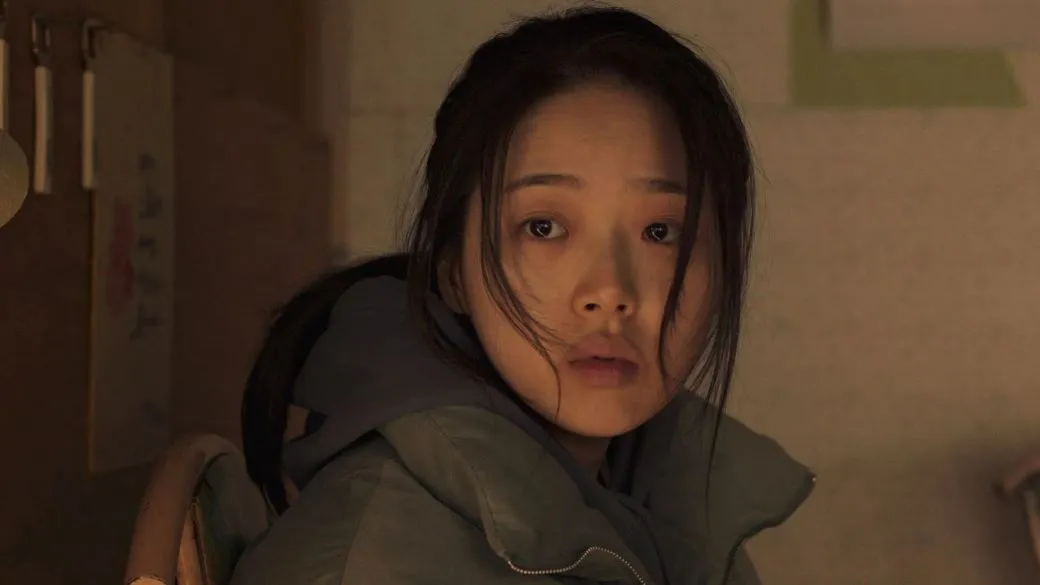
ภาพจากภาพยนตร์ Next Sohee ต้องสังเวยอีกกี่เธอ ?

ภาพจากภาพยนตร์ Next Sohee ต้องสังเวยอีกกี่เธอ ?
At the time, news of Hong’s death went largely unnoticed. However, later that year, the SBS investigative show 'Unanswered Questions' shed light on her case in a special broadcast: 'Internships That Kill: The Mystery Behind the Consecutive Deaths of 19-Year-Olds.' It was then that Korean viewers came to a chilling realization—Hong was not the first, and she certainly would not be the last.
Among the audience that day was July Jung, a female director who had not made a feature film in nearly a decade. Five years later, her second feature film made history by closing the Critics' Week—a parallel section of the Cannes Film Festival dedicated to discovering emerging global directors. It was the first South Korean film ever selected to close this prestigious section. Titled 'Next Sohee,' the movie was directly inspired by the tragedy of Hong.
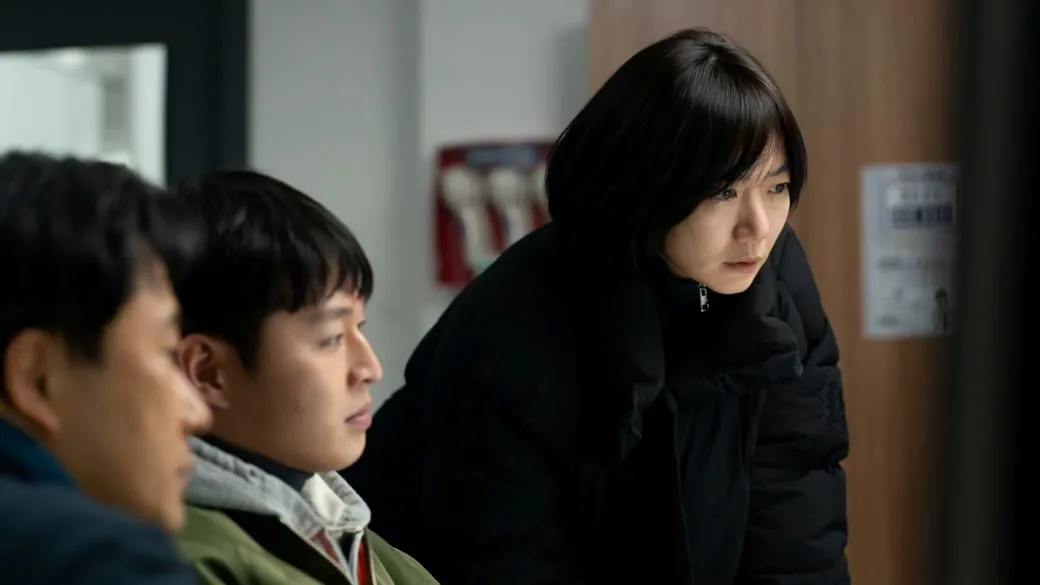
ภาพจากภาพยนตร์ Next Sohee ต้องสังเวยอีกกี่เธอ ?
The reason for emphasizing 'The Next' is that Jung intended for her film to challenge people to think about what lies ahead. She stated to The Korea Herald that her decision to make this film was not merely due to the heartbreaking nature of Hong’s death, but because of the fact that similar tragedies had happened many times prior. Worse yet, the adults involved never issued an apology or expressed any regret, which, according to Jung, 'renders the situation even more lamentable.'
But the most devastating truth is that responsibility does not lie solely with 'a few adults.' Jung points out that, in reality, everyone who acquiesces to and serves this system is guilty as an accomplice. Through our silence and indifference to its existence, we are all complicit—and she explicitly includes herself in that number.
South Korea's vocational high schools operate under a system that mandates senior students to work at actual companies before graduating. This hands-on transition into the workforce is called a 'field internship.' Under this system, companies must enter into a standard agreement with schools to define working hours, minimum pay, and protective clauses tailored for students in their capacity as 'trainees'—not full-time staff.
However, what sounds noble in principle conceals a shockingly grim reality. In practice, many companies exploit student labor with total disregard for agreements and laws, abusing both working hours and compensation, fully aware that interns are unlikely to speak out. Even if school administrators become aware, they dare not intervene, fearing that a drop in placement rates or a severed tie with major corporations would jeopardize their funding from the Ministry of Education in subsequent years. Meanwhile, despite being aware of the annual death toll among trainees, the Ministry remains passive to avoid entanglement, allowing the cycle to continue. This inertia persists largely because the victims predominantly come from low-income, working-class families who lack the resources to wage legal battles against corporate or state entities.
This web of entanglement runs deeper than anyone imagines, and this wheel of systemic evil keeps turning simply because absolute impunity shields every single player involved.
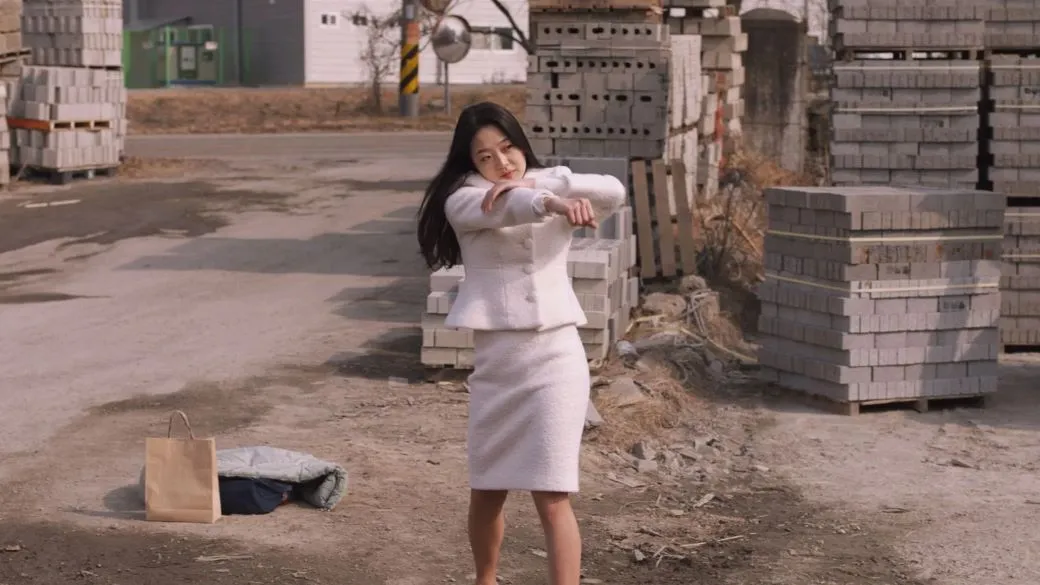
ภาพจากภาพยนตร์ Next Sohee ต้องสังเวยอีกกี่เธอ ?
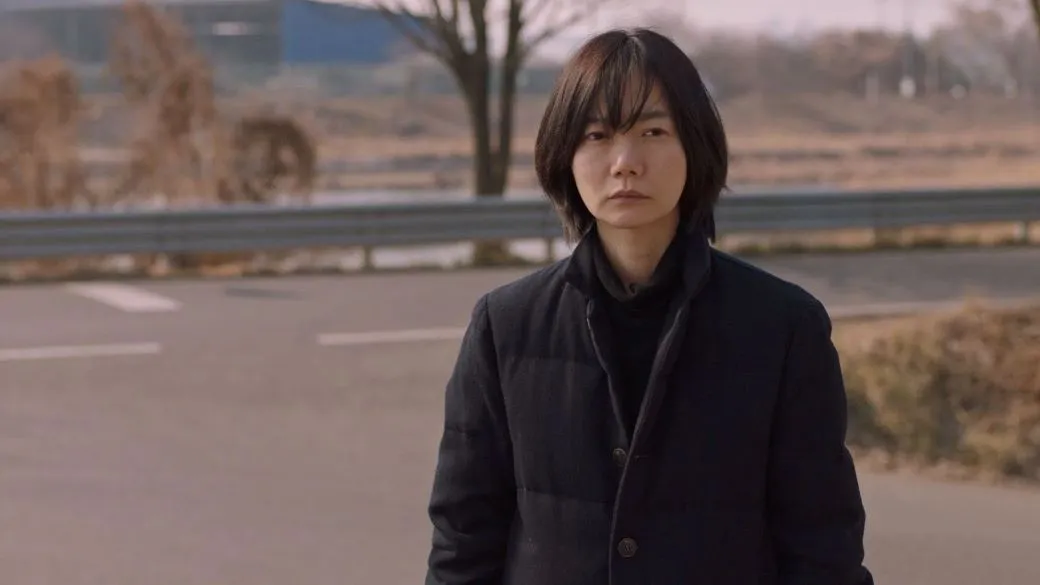
ภาพจากภาพยนตร์ Next Sohee ต้องสังเวยอีกกี่เธอ ?
Nearly a year after its Cannes debut, Next Sohee was released in South Korea on February 8, 2023. While its domestic box office returns were modest—or more accurately, a financial loss—the film's true significance lay in its power to ignite public debate and catalyze historic change. Just three weeks after its premiere, the National Assembly's Education Committee passed a long-stalled amendment bill to the Vocational Education and Training Promotion Act.
The bill expands the scope of the Labor Standards Act to encompass vocational interns, ensuring they are protected under provisions against workplace harassment, physical abuse, and forced labor—protections they previously lacked as non-employees. Under the new law, students are empowered to decline or end an internship if subjected to physical or mental hazards. Additionally, it increases the school internship committee's membership from nine to 15, explicitly incorporating student delegates and labor law experts.
...In South Korea, the press has widely labeled this new bill as the law to 'Prevent the Next Sohee.'