“Family and Farewell” In the short documentary program “What the Doc?!”
Read 0
On the Greek island of Nisyros, a group of elderly residents receive unsettling news from the local priest. The cemetery on the hilltop, where generations of their ancestors have long been buried, is running out of space. The only solution is for them to work together to exhume old bones and relocate them elsewhere, making room for the next generation of the deceased to have a final resting place.
This scene comes from Things Hidden Since the Foundation of the World, a short documentary by Kevin Walker and Irene Zahariadis, which portrays life in a small community where hardly any young people remain, and where the elderly receive little news other than the passing of their neighbors. The film presents an image of “farewell” as something that has become part of everyday ritual — a form of loss that no longer draws tears because it has happened so repeatedly that it has turned into routine.
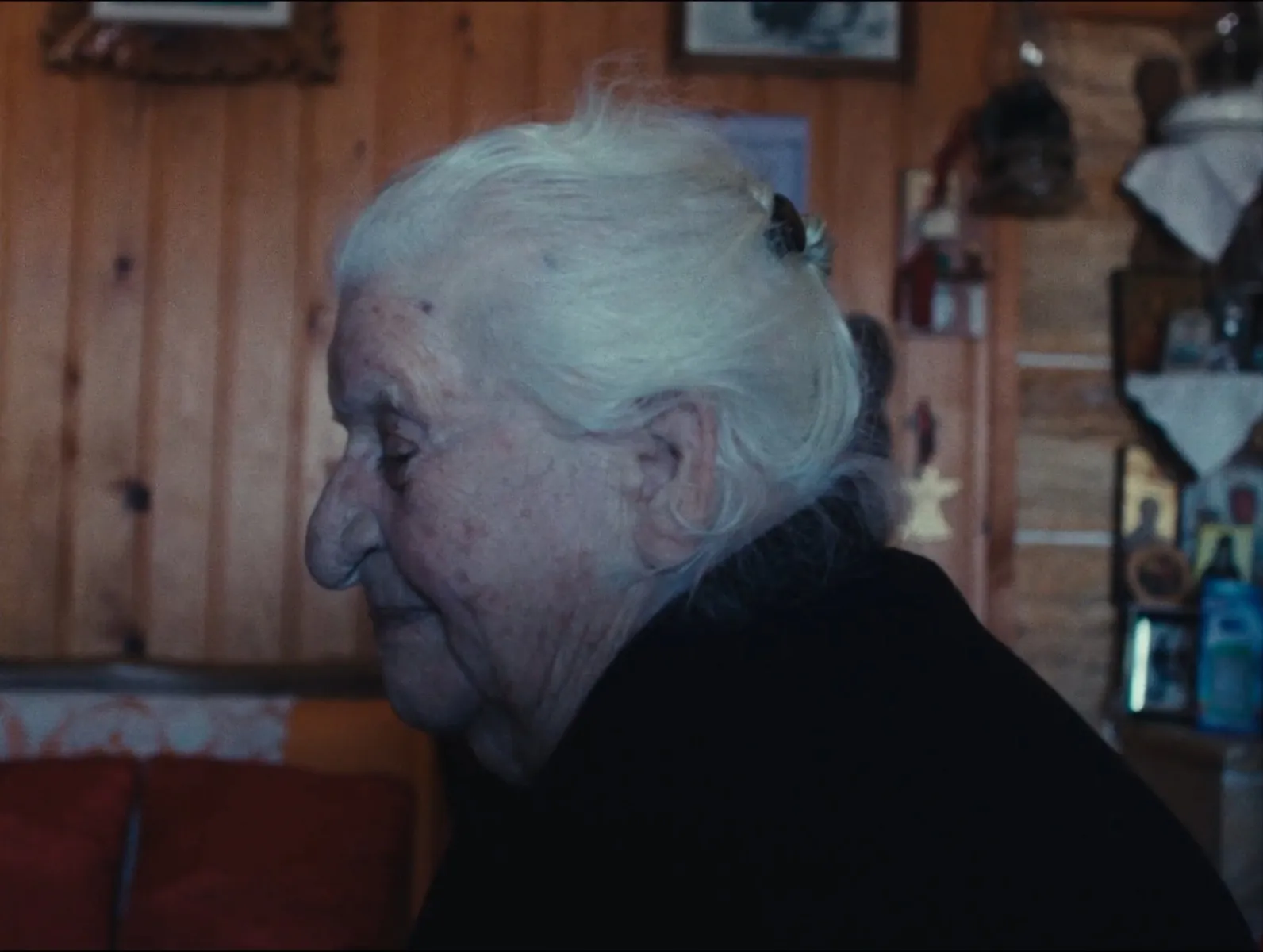
ภาพจากสารคดี Things Hidden Since the Foundation of the World
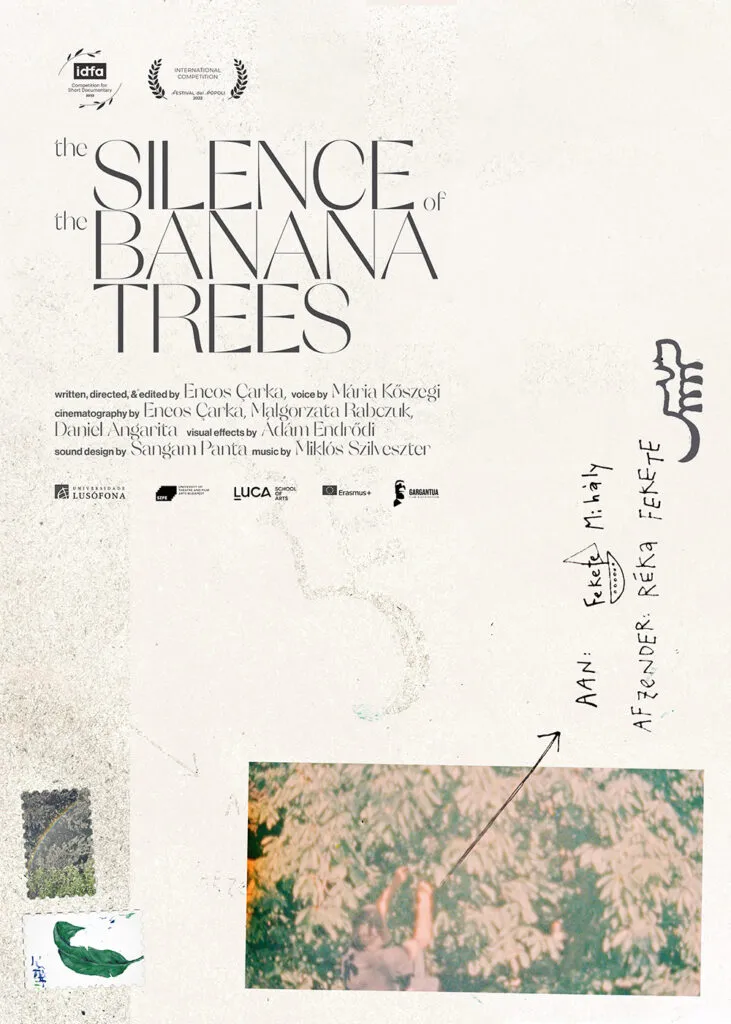
ภาพจากสารคดี The Silence of the Banana Trees
Browsing through the collection of “What the Doc?!” on VIPA, we begin to notice that many of the films seem to move in the same direction without ever planning to — telling stories about “family and departure.”
Beyond Things Hidden Since the Foundation of the World, there is also The Silence of the Banana Trees by Albanian filmmaker Eneos Çarka. The film follows a seventy-year-old man living on the outskirts of Budapest whose only daughter has been ill and has chosen to cut off contact with him for many years. He keeps her paintings and sculptures hanging across the walls of every room, digging out old holiday slides, letters, videotapes, and childhood drawings to revisit over and over again. He tends to these objects with the same care he gives the banana trees in his garden. His memories become like living plants that need watering, because the person who is still alive — his daughter — has become too distant for him to reach.
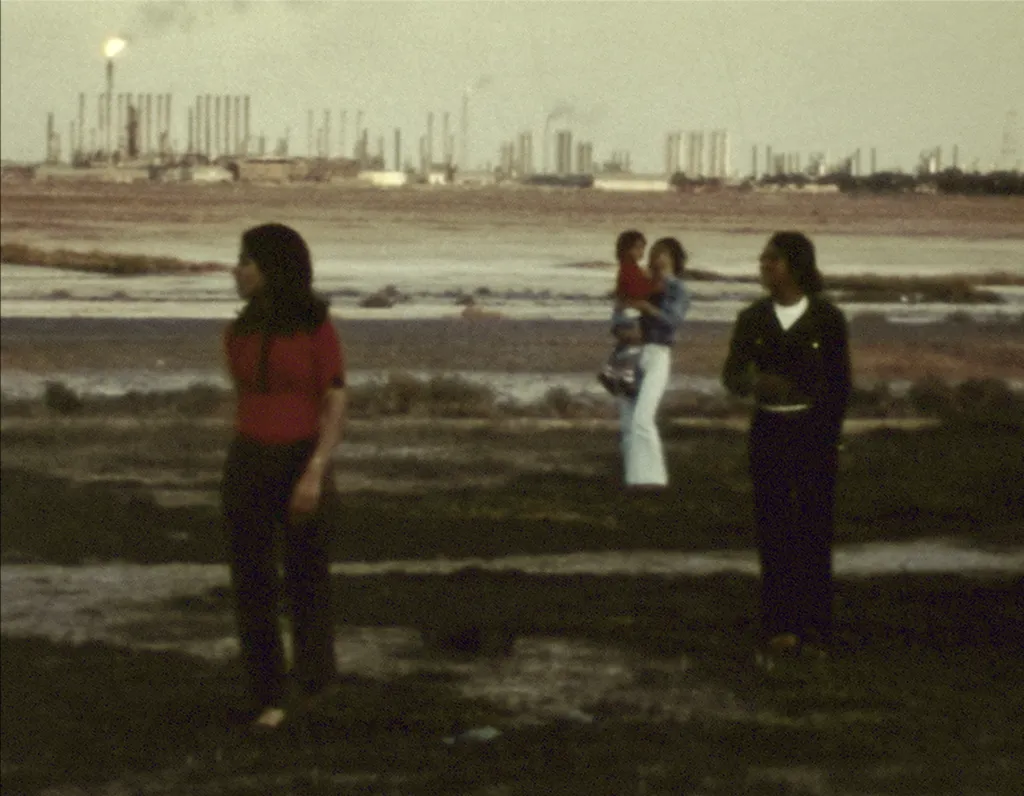
ภาพจากสารคดี City of Poets
In City of Poets, Iranian-Dutch filmmaker Sara Rajaei begins telling the story of her family through a single mulberry tree planted by her grandmother behind the house. After her grandmother passed away, the tree was cut down, and from there her memories spread outward — into stories of homes, alleyways, and eventually an entire city in Iran that has gone through political and historical upheaval to the point that it barely seems to exist on the map anymore.
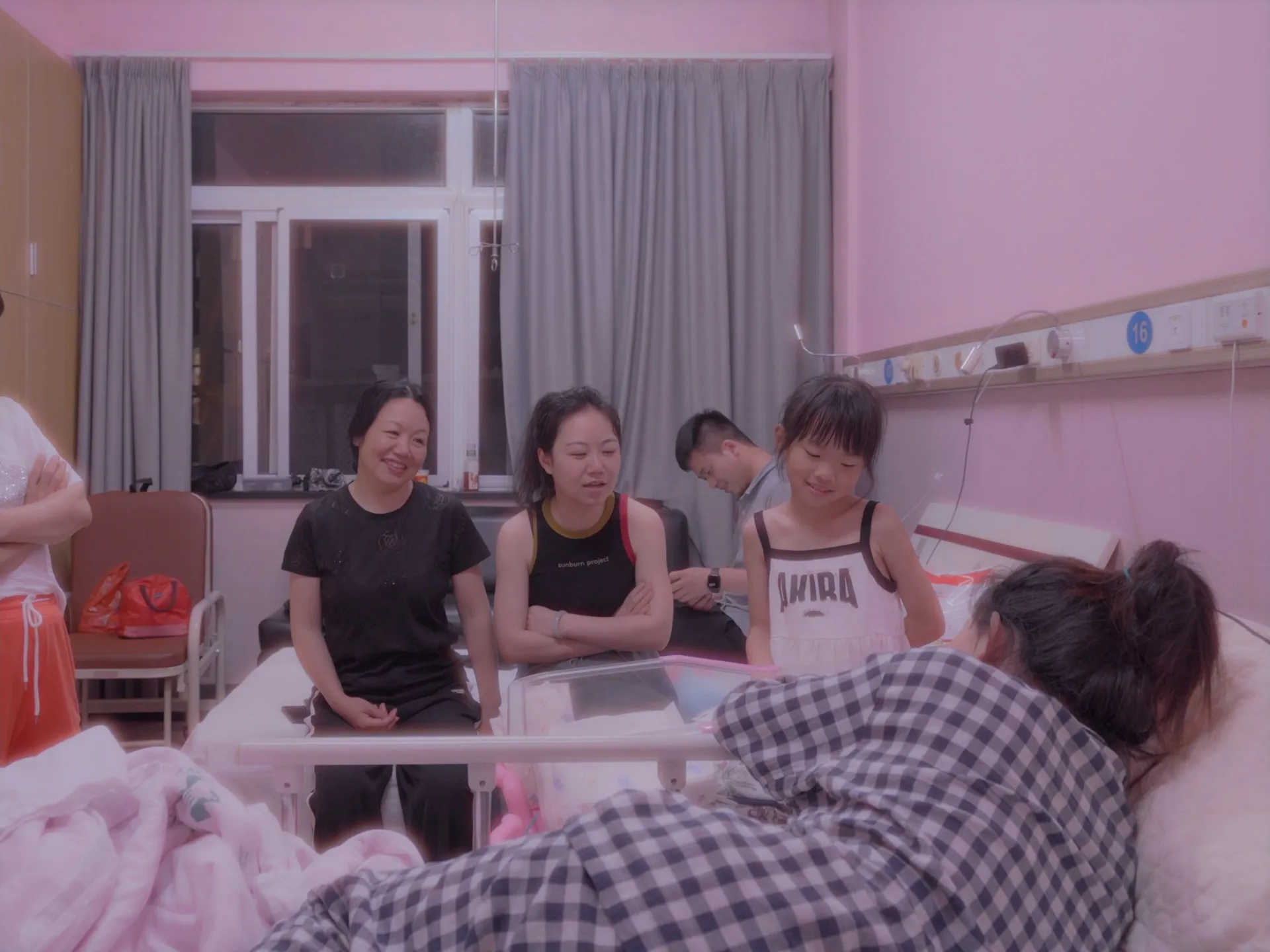
ภาพจากสารคดี About the Pink Cocoon
In About the Pink Cocoon, Chinese filmmaker Wang Pinyu films his older sister A-Jiao as she lies waiting to give birth in the pink room of a women’s clinic. Beside her bed sit their mother, aunt, and grandmother, each layering their own childbirth experiences into the same space. Four generations of women in one family converge inside the same pink cocoon.
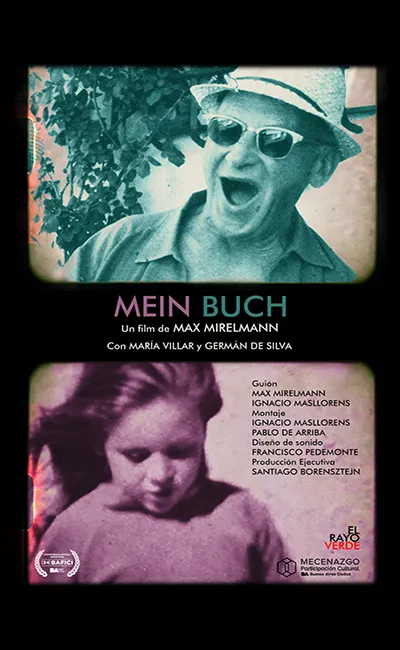
ภาพจากสารคดี Mein Buch
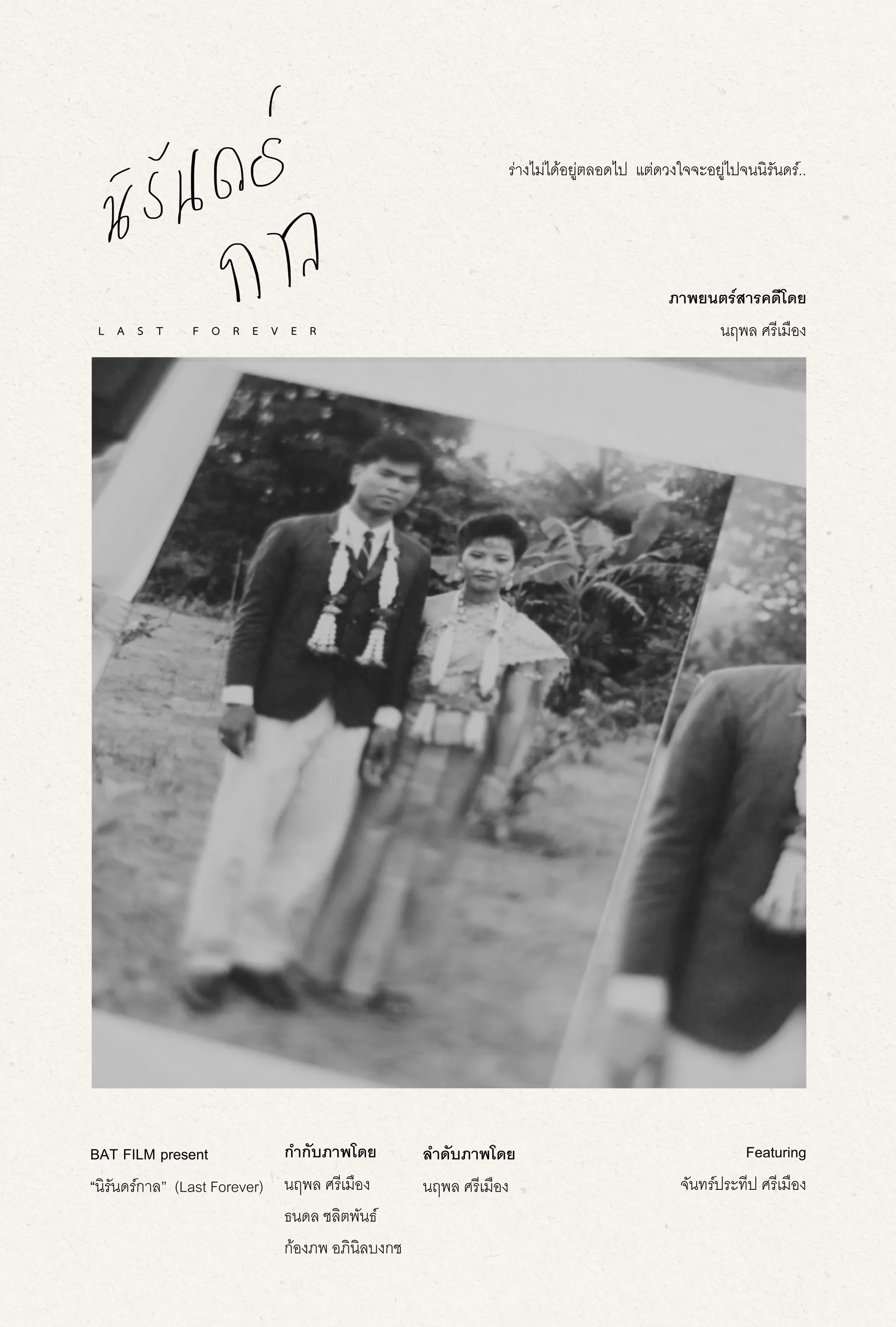
ภาพจากสารคดี นิรันดร์กาล
In Mein Buch, Argentine filmmaker Max Mirelmann chooses to title his film in German — “My Book” — to tell the story of his grandfather, a Swiss-Polish emigrant who left Europe in 1921 to settle in South America. Meanwhile, in Eternal, directed by Narapol Srimuang, we listen to conversations between the filmmaker and his mother over the course of a year following the passing of his father, in an attempt to understand both his mother and himself, and to reflect on why love and relationships between certain people can leave traces in memory that last forever.
A key common thread among these films is the use of “archives” — slides, photographs, old film reels, archival clips, recorded audio, diaries, and other materials — to construct narratives about people and events that have already passed. In some cases (such as City of Poets and Mein Buch), these materials are further expanded in meaning through storytelling structures that blend in imagination, making the narratives more complex and layered.
At the same time, their approach to portraying “loss” is also similar. It is not expressed through intense emotional outbursts, but rather through a restrained tone — a voice of people who are trying to understand and find ways to come to terms with what has been lost.
In the article “Re-Framing the Family Archive,” published in Talking Shorts after the IDFA 2023 festival, Patrick Gamble observes that many filmmakers in recent years have been using home movies and tapes not to reminisce about the happiness of past times, but rather to dissect and examine the painful histories and memories of their families.
He also points out that this younger generation grew up in households where video cameras and mobile phones were widely used, making them the generation with the most recorded evidence of childhood in history. As their parents and grandparents begin to reach the stage of saying goodbye, they often take on the role of those who open and explore these archives.
In the summary of the Berlinale 2024 programme, two festival curators also note the same phenomenon. Barbara Wurm, head of the Forum section, observes that “family” was a prominent theme in many films in her section that year, often expressed through “intergenerational relationships.” Anna Henckel-Donnersmarck, head of the Shorts section, similarly notes that films drawing on the filmmakers’ own lives and families tend to be particularly intense, due to their sincerity and the filmmakers’ willingness to expose their own vulnerability to others.
Fedor Tot, a critic writing a review of the Berlinale Shorts section in Journey Into Cinema, makes a similarly interesting observation while discussing the short film Baldilocks by Marth Peters (which draws on childhood home video footage to recount her experience of having cancer as a child). He notes that films in this group often move away from conventional formulas — such as narratives of heroic struggle in the face of illness — and instead turn toward portraying the “ordinariness” of life as it continues.
Although Tot is primarily referring to that specific film, his observation also seems applicable to many of the films in “What the Doc?!” as well.